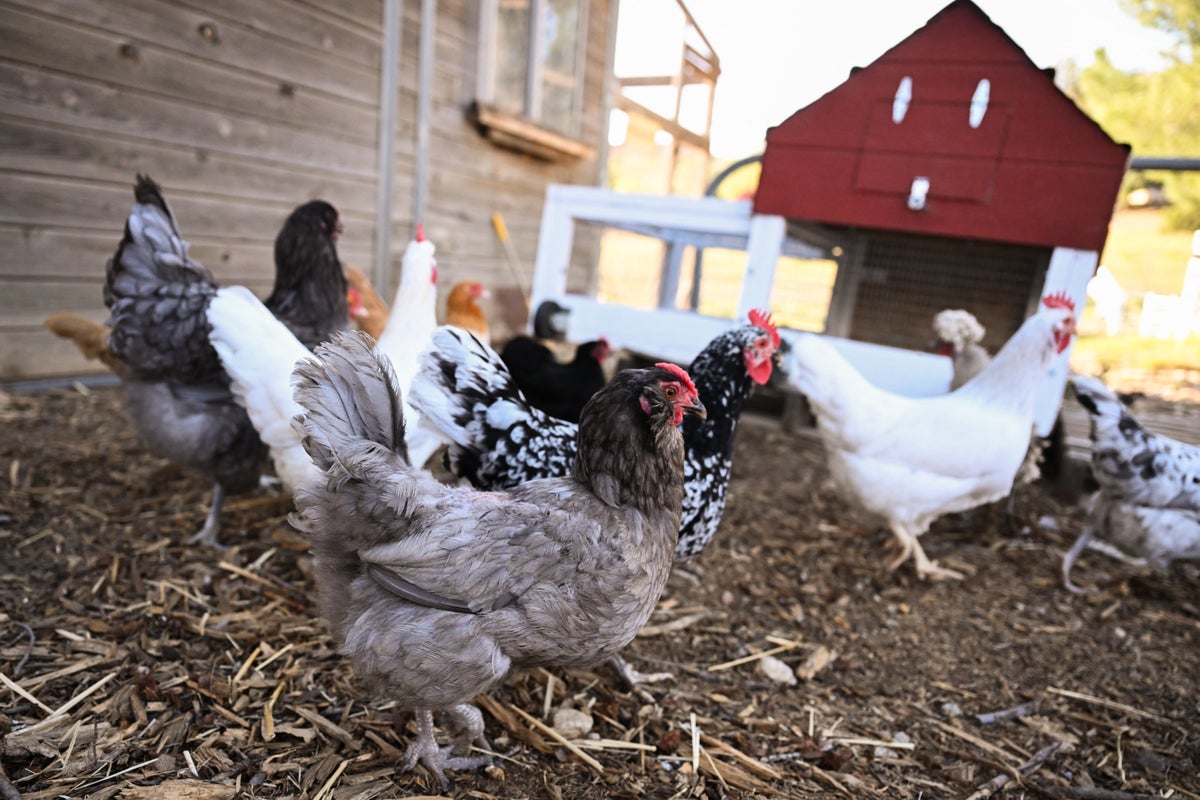
The CDC reported 34 salmonella infections across 13 states, with about 13 hospitalizations and no deaths, and says the actual number of cases is likely higher. The outbreak is linked to backyard poultry and eggs, with a notable antibiotic-resistant strain that may be difficult to treat. While this is a public health concern, the article suggests limited direct market impact beyond food safety and poultry-related risk sentiment.
This is less about the headline case count and more about the probability of a wider trace-back to a fragmented, hard-to-monitor supply chain in backyard poultry and small hatcheries. The second-order risk is not a national egg/chicken demand shock; it is localized reputational damage and compliance pressure that disproportionately hits small producers, feed suppliers, and regional farm stores while leaving large integrated poultry names relatively insulated. Because the illness is concentrated in households with young children, the near-term catalyst is likely media amplification and state-level public health alerts rather than a measurable supermarket volume hit.
The antibiotic-resistance angle matters because it raises the odds of prolonged medical severity, more ER visits, and a longer tail of CDC updates. That creates a multi-week to multi-month overhang for brands tied to backyard poultry kits, hatcheries, and farm-supply retail channels, especially if investigators identify a common hatchery or distributor. If the trace-back lands on a known national hatchery or on a large feed/tractor channel selling chicks seasonally, the market could quickly reprice a broader “biosecurity” premium across the category.
The bigger market miss is that these incidents can accelerate regulatory scrutiny without requiring a dramatic outbreak size. A few more hospitalizations or a school/daycare-linked cluster would be enough to trigger guidance changes, temporary store signage, and possible state agriculture investigations, which tends to depress impulse purchases of chicks and related supplies for an entire season. That makes this more relevant to spring selling season economics than to food inflation or restaurant demand.
Contrarian view: the selloff risk in broad poultry is probably overdone. Large commercial chicken producers have tighter biosecurity and are beneficiaries if backyard poultry adoption slows; consumers typically substitute toward grocery proteins rather than reduce protein consumption. The trade is really about small-cap and retail-adjacent exposure to hobby farming, not a systemic poultry demand deterioration.
AI-powered research, real-time alerts, and portfolio analytics for institutional investors.
Request DemoOverall Sentiment
moderately negative
Sentiment Score
-0.45
