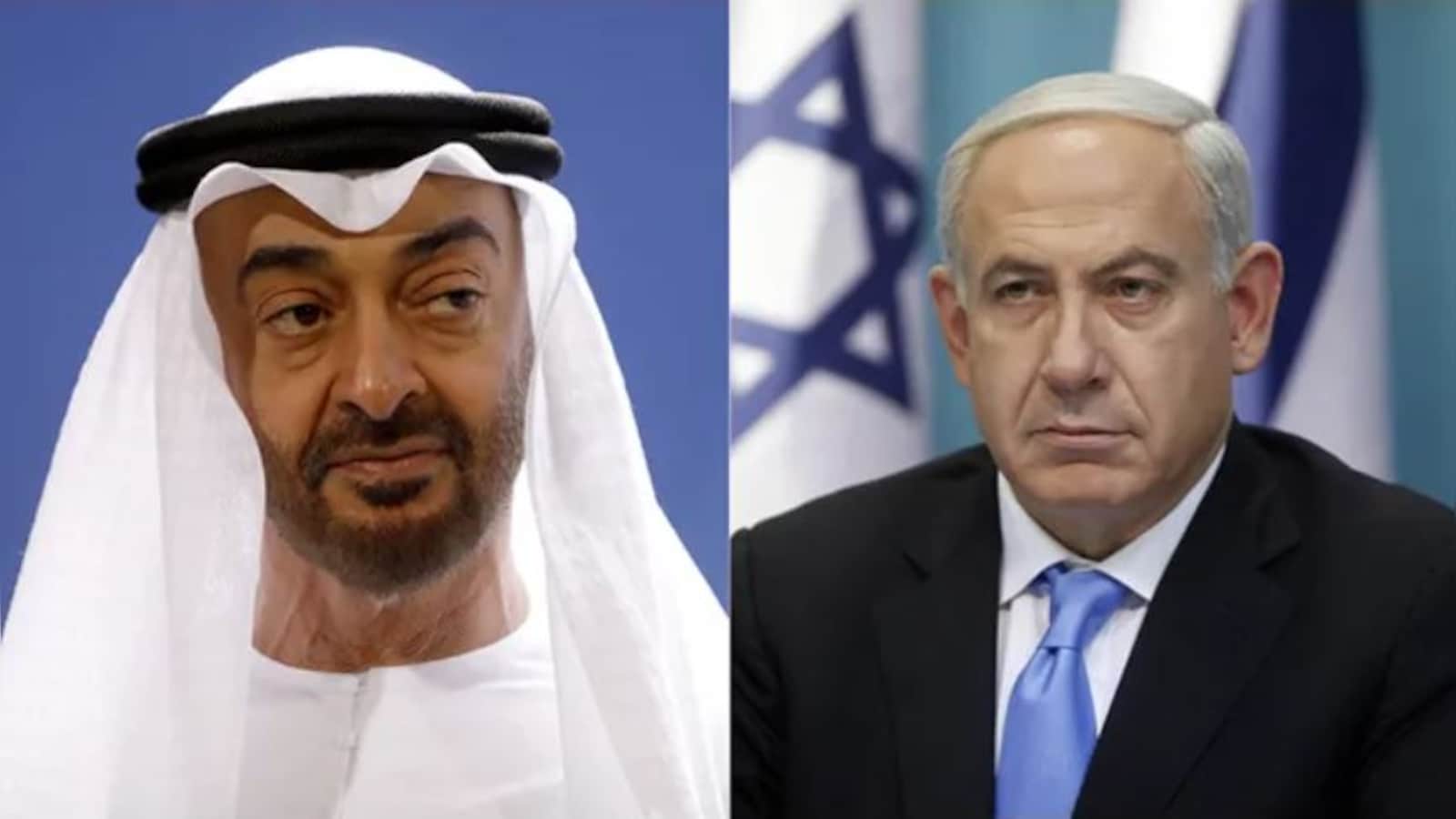
The UAE reportedly conducted dozens of airstrikes against Iran during the US-Israel war, with strikes hitting energy-related targets including Qeshm, Abu Musa, Bandar Abbas, Lavan island, and Asaluyeh. Iran retaliated with more than 2,800 missiles and drones at the UAE, far more than at any other country, highlighting a major escalation in regional conflict and risk to Gulf energy infrastructure. The report also suggests deeper UAE-Israel coordination than previously known, with US and Israeli intelligence support.
The market implication is not simply “more geopolitical risk”; it is that the Gulf’s neutral security architecture has effectively fractured. If UAE territory was used for covert participation while simultaneously absorbing the largest retaliatory drone/missile load, investors should expect a persistent risk premium in GCC logistics, insurance, and energy-transit assets for months, not days. The bigger second-order effect is on confidence in Hormuz-adjacent infrastructure: even limited damage or near-miss events can force shippers to pre-emptively reroute, widening freight and war-risk premiums without a formal blockade.
Energy is the cleanest transmission channel. Iran’s ability to target UAE-linked energy infrastructure at scale increases the odds of asymmetric retaliation against exposed nodes: offshore production, condensate handling, petrochemical feedstock corridors, and port-adjacent storage. That favors upstream and midstream assets with diversified export optionality, while pressuring refiners, LNG shipping, and Gulf utilities that rely on uninterrupted feedstock flows. The key nuance is that the market may underprice “operational friction” versus headline supply disruption; even absent barrels lost, higher insurance, inspection delays, and precautionary inventory hoarding can lift prompt crude and refined product spreads.
Contrarian take: the most likely policy response is not broader war but tighter compartmentalization. If Washington wants to prevent a fresh energy escalation, it may restrain further strikes on energy assets and push quiet deconfliction, which caps tail risk but preserves a higher baseline premium. That makes the trade asymmetric: downside in crude is limited unless diplomacy visibly improves, while upside re-prices quickly on any renewed attack cycle or evidence that Gulf defenses are being saturated.
AI-powered research, real-time alerts, and portfolio analytics for institutional investors.
Request DemoOverall Sentiment
strongly negative
Sentiment Score
-0.60
