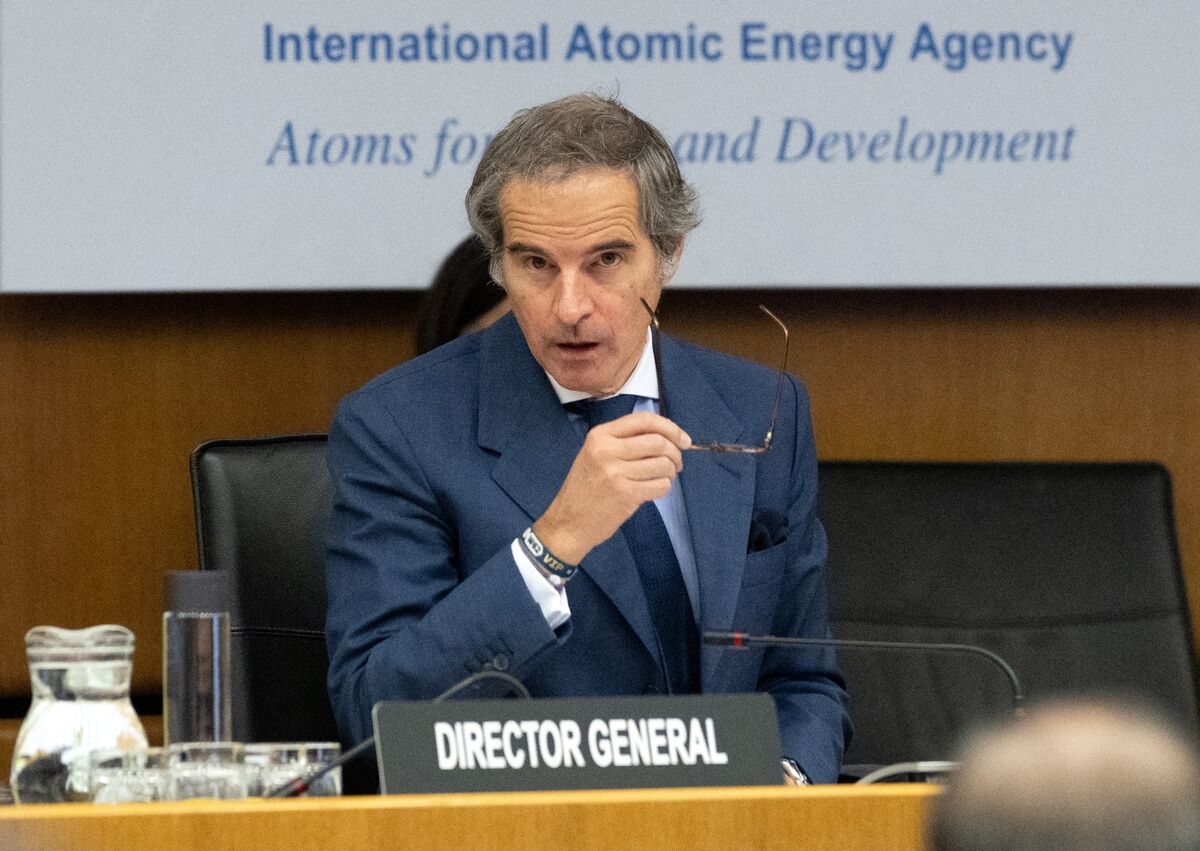
IAEA Director General Rafael Mariano Grossi refuted Iranian claims that a recent IAEA report, which found Tehran in violation of its nuclear obligations, provided justification for Israeli attacks on Iranian nuclear facilities that began on June 13. Grossi explicitly denied that IAEA inspectors provided any cover for the attacks, which have reportedly damaged some nuclear facilities.
The International Atomic Energy Agency (IAEA) Director General, Rafael Mariano Grossi, has formally denied Iranian allegations that a recent IAEA nuclear-inspections report legitimized Israeli attacks on Iran's nuclear facilities. This statement directly refutes claims that the agency's findings, which determined Tehran to be in breach of its legal nuclear obligations, provided any form of 'cover' for the Israeli military actions that commenced on June 13 and reportedly resulted in damage to some nuclear sites. While the sentiment score for this specific denial is neutral (0.0), the situation carries a moderate market impact score (0.6), underscoring the persistent geopolitical risks. The themes of "Geopolitics & War" and "Sanctions & Export Controls" associated with this event highlight its significance within a volatile regional context, even if the IAEA's clarification itself is not immediately market-moving.
AI-powered research, real-time alerts, and portfolio analytics for institutional investors.
Request DemoOverall Sentiment
neutral
Sentiment Score
0.00
