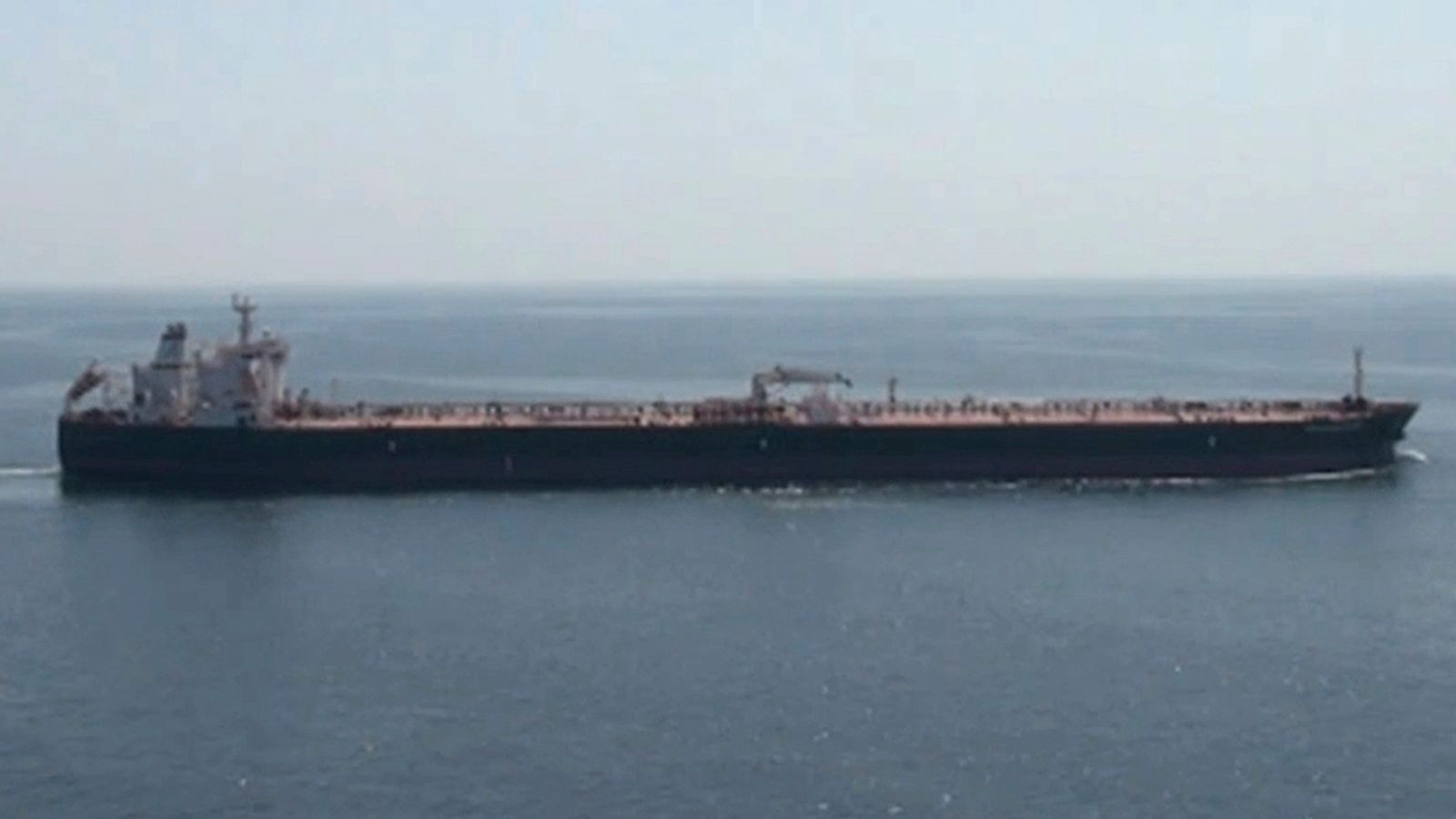
The shutdown of Qatar's Ras Laffan terminal — tied to the massive North Field gas reservoir — and threats to shipments through the Strait of Hormuz sent gas prices up roughly 50%, creating immediate disruption to LNG flows primarily bound for Asia and raising questions about future supplies to Europe and the UK. Beyond direct fuel, interruptions imperil inputs for fertilisers, petrochemicals and advanced composites, increasing the risk of a renewed energy-price shock and upside pressure on inflation if disruptions persist, even though current wholesale prices remain below 2022 peaks.
Market structure: Immediate winners are LNG shippers and liquid natural gas arbitrageurs (spot LNG prices and freight rates); large integrated oil & gas producers with flexible cargoes (SHEL, BP, TOT) gain pricing power while European utilities, petrochemical users and energy‑intensive industrials face margin compression. Ras Laffan/North Field disruption (gas +50% intraday) signals that a weeks‑to‑months outage can reprice European gas 20–80% and raise petrochemical feedstock costs by similar magnitudes, squeezing margins and elevating input‑price pass‑through into CPI.
Risk assessment: Tail risks include a prolonged Strait of Hormuz closure dropping 3–6 mbpd of oil (Brent to $150–$200 in weeks) or an extended Qatar LNG outage causing European winter gas to double; both would trigger stagflation and financial stress. Near term (days) expect volatility spikes and logistics dislocations; short term (weeks–months) see reallocation of cargoes, higher shipping/insurance premia and policy responses; long term (years) expect accelerated capex into LNG FSRUs, pipelines, renewables and storage. Key hidden links: fertilizer -> food inflation, higher shipping insurance -> rerouting costs, and contract take‑or‑pay limitations.
Trade implications: Cross‑asset: commodities and commodity currencies (NOK, CAD, AUD) likely outperform; real yields and breakevens rise (pressure on long-duration sovereign bonds/TLT). Options vol will remain elevated—buying asymmetric tail protection in hydrocarbons is cheap relative to systemic risk. Catalysts that will change the picture: military escalation, shipping corridor closures, OPEC+ cuts, or rapid restoration of Ras Laffan output.
Contrarian angles: Markets underprice downstream effects (fertilizer, plastics, aviation composites) and the multi‑year capex cycle into LNG shipping, regasification and storage; short‑lived headline shocks may overpenalize diversified majors (SHEL/BP) whose balance sheets can buy assets at discounts. The consensus may be overreacting on equities but underreacting on long‑dated tail hedges and sectoral supply chain dislocations.
AI-powered research, real-time alerts, and portfolio analytics for institutional investors.
Request TrialOverall Sentiment
moderately negative
Sentiment Score
-0.60
