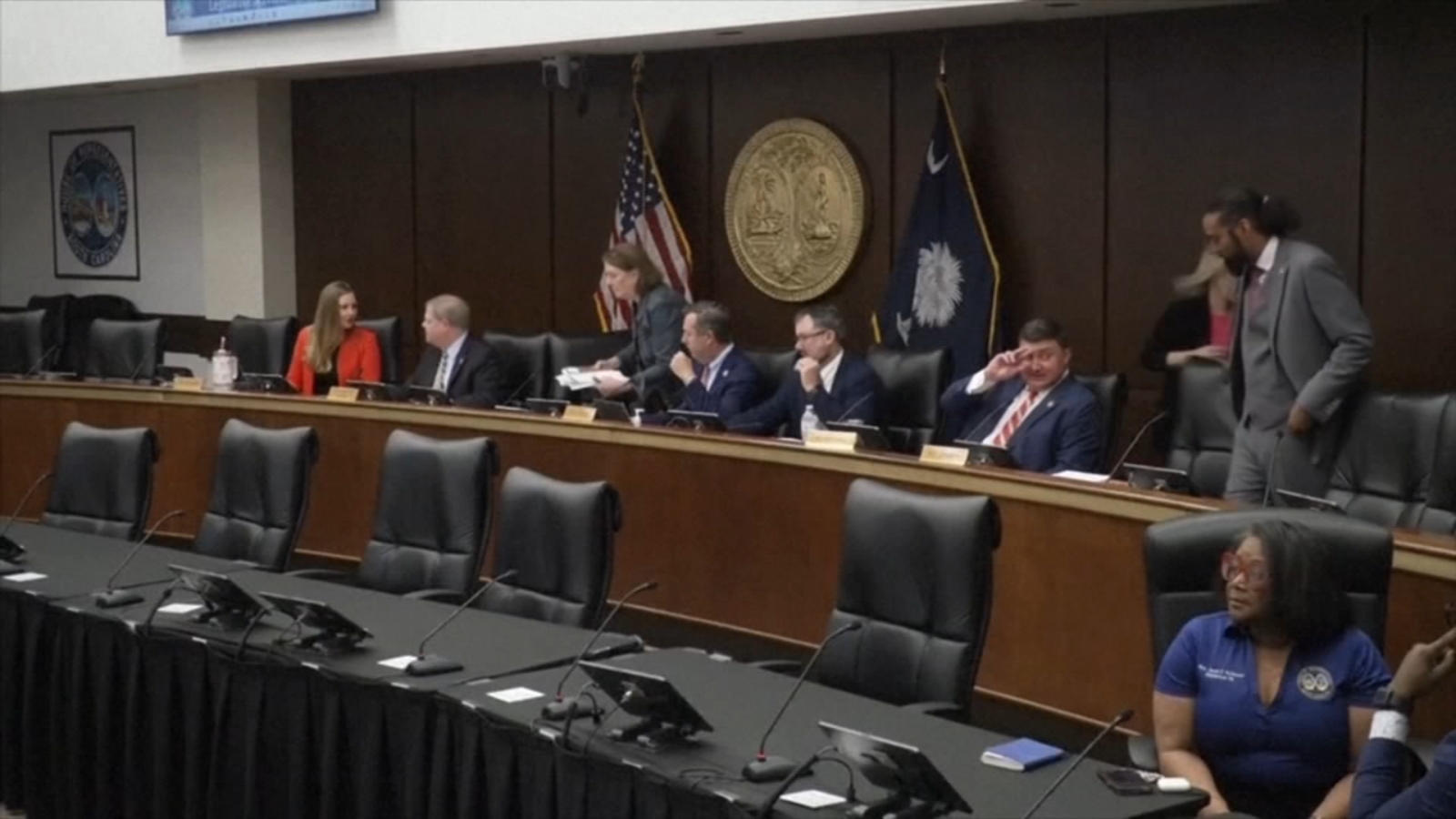
U.S. mid-decade redistricting is intensifying, with Virginia's Supreme Court blocking a Democratic map and multiple GOP-led Southern states moving to redraw congressional districts after the Supreme Court's Louisiana ruling. The current tally suggests Republicans could gain a potential eight-seat advantage from 14 seats they believe they could win versus six favoring Democrats, though court challenges and voter actions leave the outcome uncertain. The political balance of the House remains narrowly tilted, with Republicans at 217 seats versus Democrats' 212, plus one independent and five vacancies.
The market implication is less about which party gains a few seats and more about the growing probability of a higher-signal, lower-volatility House map locked in before November. That matters because a narrower path to Democratic control reduces the odds of a divided Congress outcome that would otherwise raise tail risk for tax, antitrust, and appropriation-sensitive sectors; in practice, this is a modest pro-cyclical, pro-financials, pro-defense setup and a headwind for policy-duration names that price in cleaner legislative relief. The bigger second-order effect is that Republicans can spend less on defensive legal positioning and more on turnout, while Democrats are forced into more expensive litigation and turnout operations with weaker map leverage.
The tradeable catalyst is not the final district lines themselves, but the sequence risk: court rulings, emergency stays, and ballot-administration deadlines over the next 2-8 weeks. That creates a binary window where any adverse judicial surprise could quickly unwind the GOP advantage premium, especially in the small set of districts that would otherwise determine control of the chamber. The setup also increases the odds of late-cycle headline volatility around election integrity and certification, which typically benefits volatility buyers more than outright equity directional bets.
Consensus is likely underestimating how asymmetric the opportunity is for the incumbent party in states where redistricting can be executed after primary calendars are already set. That timing disadvantage favors the side that can force opponents to defend multiple legal fronts simultaneously, making the effective cost of contesting each seat much higher than the seat count alone implies. The overdone view would be to treat this as a clean, linear GOP win; the underappreciated risk is that prolonged litigation could create enough uncertainty to lift implied volatility without materially changing the final seat math.
AI-powered research, real-time alerts, and portfolio analytics for institutional investors.
Request DemoOverall Sentiment
neutral
Sentiment Score
0.05
