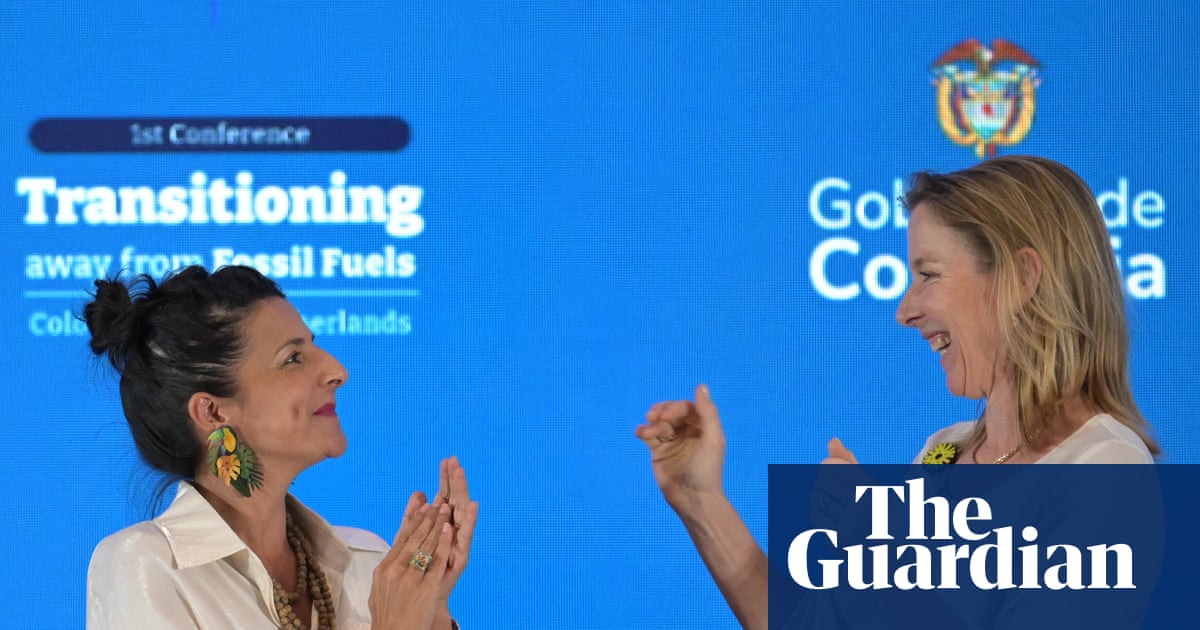
Nearly 60 countries launched a voluntary initiative requiring national fossil-fuel phaseout roadmaps, with France becoming the first developed country to publish one and Colombia issuing a draft plan. The talks aim to address coal, oil and gas demand, fossil-fuel subsidies, trade policy, and financing needs for poorer countries, but the plans remain nonbinding with no deadlines. The effort could influence energy transition policy and long-term fossil-fuel demand, though major emitters such as the US, China and India are absent.
This is less a near-term emissions story than a coordination event for capital allocation. The investable implication is that policy risk is starting to migrate from “carbon price” debates to sovereignty, permitting, debt, and trade architecture, which matters because those channels can move faster than national decarbonization targets. In practice, the first beneficiaries are not necessarily pure-play renewables; they are the balance-sheet winners that can finance grid buildout, transmission, storage, and transition capex without relying on subsidy certainty.
The second-order loser set is broader than upstream oil and coal. Countries that depend on fossil exports but lack fiscal buffers face a widening sovereign spread risk if roadmaps become a reference point for multilateral lending, export credit, and climate-linked debt relief. That creates medium-term pressure on local banks, state-owned utilities, and service companies exposed to producer economies, while accelerating a bifurcation between low-cost, diversified majors and higher-cost frontier producers with weak reinvestment economics.
The contrarian risk is that voluntary roadmaps may become performative and under-enforced, which can keep supply tighter for longer if capital access to fossil projects continues to erode. That would be bullish for thermal coal and integrated gas/oil cash flows over the next 6-18 months, even as the long-duration narrative turns against them. The bigger trade is that policy momentum may compress the multiple of “transition laggards” before it meaningfully cuts volumes, creating a valuation gap trade rather than a direct commodity trade.
Catalyst timing matters: near-term reaction should show up in EU-linked green finance, sovereign financing discussions, and announcements around climate debt swaps before it appears in physical energy balances. Watch for the next conference and COP31 as the points where voluntary language may harden into procurement, subsidy, and disclosure requirements; failure there would likely fade the enthusiasm quickly. For now, the market is underpricing how roadmaps can be used to screen capital access and trade preferences, not just emissions.
AI-powered research, real-time alerts, and portfolio analytics for institutional investors.
Request DemoOverall Sentiment
mildly positive
Sentiment Score
0.15
