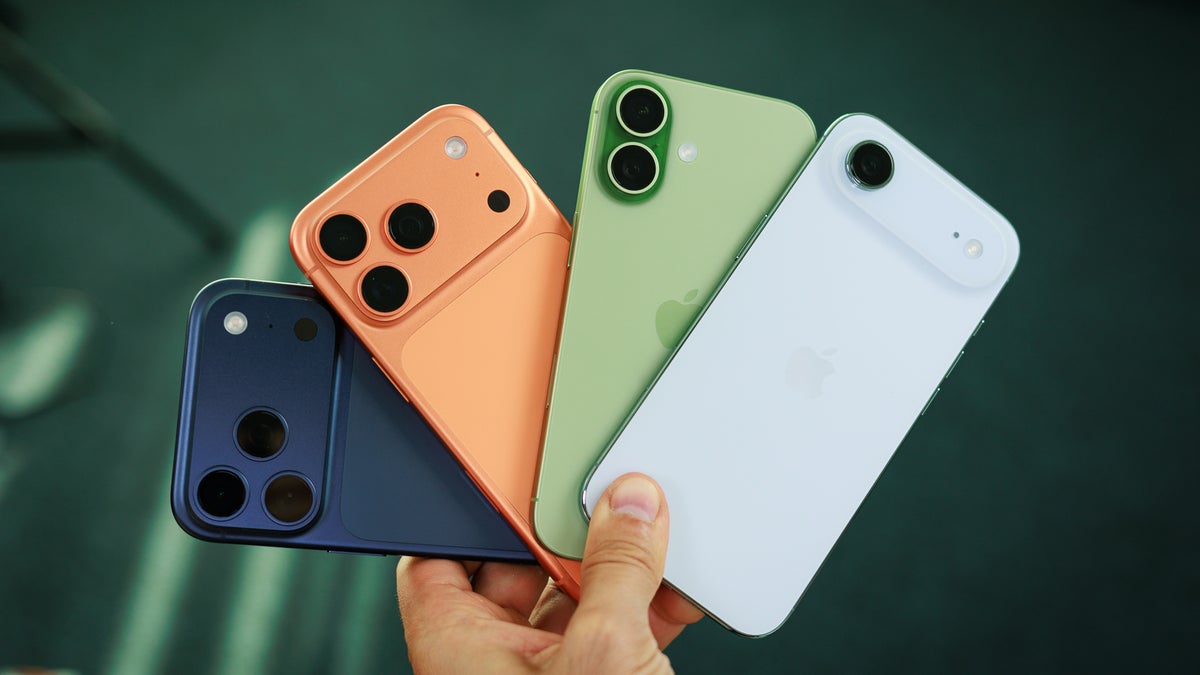
Apple's iPhone 18 Pro is reportedly set to reuse the iPhone 17 Pro design while delivering iterative hardware upgrades — including the first 2nm chipset, a second-generation in-house modem, larger batteries and improved camera optics — which should materially improve battery life and provide modest camera gains. Reusing molds could cut manufacturing costs and help keep pricing flat versus last year, while the company may delay the standard iPhone 18 and Air 2 to 2027 and prioritize the iPhone Fold. Expect weak replacement demand from recent 17 Pro owners but solid pickup from users on iPhone 15 Pro or older, implying modest upside to unit sales without creating a market-moving event.
Maintaining a stable exterior design in the next cycle materially reduces non-recurring engineering and tooling outlays for Apple; that cuts near-term capex and shields gross margins absent a price move. Expect the profit pool to shift subtly toward semiconductors and optics where iterative performance gains matter most, while assembly and tooling revenue growth from large contract manufacturers faces headwinds.
Apple’s continued verticalization — taking more control of critical subsystems — amplifies second-order pressure on third-party component vendors that historically captured outsized margin share. Leading-node wafer suppliers stand to capture more of the incremental silicon spend (and pricing power), while legacy peripheral suppliers will need product or price adjustments to defend share.
Demand dynamics are bifurcating: owners multiple generations behind are the high-probability buyers that sustain volumes, while upgrade rates among the immediate prior cohort will be muted unless there’s a radical UI/format change. Adjacent high-end products competing for the same discretionary wallet create a cannibalization vector that can re-shape ARPU over 6–18 months if mix shifts more than anticipated.
Key catalysts to watch: supply-allocation reports and wafer shipments (weeks–months), pre-order and sell-through trends in the first 30 days post-launch, and any third-party modem/component order downgrades over the next two quarters. Reversals can come fast if performance benchmarks disappoint or if channel surveys show lower intent vs. older-device upgrade pools.
AI-powered research, real-time alerts, and portfolio analytics for institutional investors.
Request DemoOverall Sentiment
mildly positive
Sentiment Score
0.35
Ticker Sentiment
