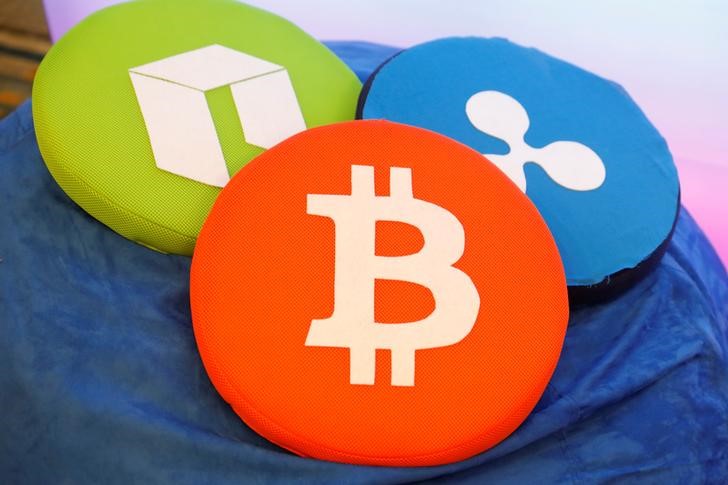
Bitcoin fell 1.2% to $70,862.6 as markets reacted to a fraying U.S.-Iran ceasefire; Ether dropped 3.1% to $2,175.61 and XRP fell 3.8% to $1.3276. Iran accused the U.S. and Israel of violating ceasefire terms, kept the Strait of Hormuz largely closed (impacting roughly 20% of global oil flows) and reportedly may demand Bitcoin tolls for tanker passage. The U.S. CLARITY Act on crypto regulation remains unlikely to pass, leaving regulatory clarity absent while geopolitical risk drives a wider risk-off move in crypto and other risk assets.
Iran’s stated intention to extract crypto tolls creates an outsized marginal demand shock for on‑chain BTC settlement relative to current flows. Even modest recurring tolls in the high hundreds-of-millions per month translate into multi‑thousand BTC demand, meaning a single geopolitical corridor can absorb a material fraction of newly mined supply and spike on‑chain fees and OTC activity in the near term.
A sustained partial or full closure of the Strait forces structural supply‑chain detours that compound across weeks: longer voyage legs (Cape of Good Hope routing), higher bunker consumption, and elevated prompt tanker rates that favor modern VLCC and product tanker owners with flexible contracts. Those shipping cost increases feed through to crude price volatility and refining margins within 2–12 weeks, creating asymmetric upside for asset owners of seaborne capacity while pressuring time‑sensitive manufacturers exposed to diesel/bunker inputs.
Regulatory and enforcement second‑order effects are powerful and rapid: any high‑profile state adoption of BTC as a toll vector will accelerate KYC/AML enforcement, push banks to tighten correspondent relationships, and accelerate market share toward custody providers with enterprise compliance tooling. Conversely, it will also boost demand for OTC desks, privacy‑preserving rails, and self‑custody solutions — fracturing liquidity between regulated venues and gray‑market channels.
Catalyst map and reversals are binary and short‑dated: a diplomatic de‑escalation would collapse the premium in weeks, while protracted closure or novel enforcement (sanctions + interdiction) could keep elevated rates and on‑chain demand for months. The highest conviction tactical plays are volatility and idiosyncratic shipping exposures rather than broad crypto beta, because on‑chain flows are concentrated and subject to rapid substitution into OTC settlement.
AI-powered research, real-time alerts, and portfolio analytics for institutional investors.
Request DemoOverall Sentiment
mildly negative
Sentiment Score
-0.25
Ticker Sentiment
