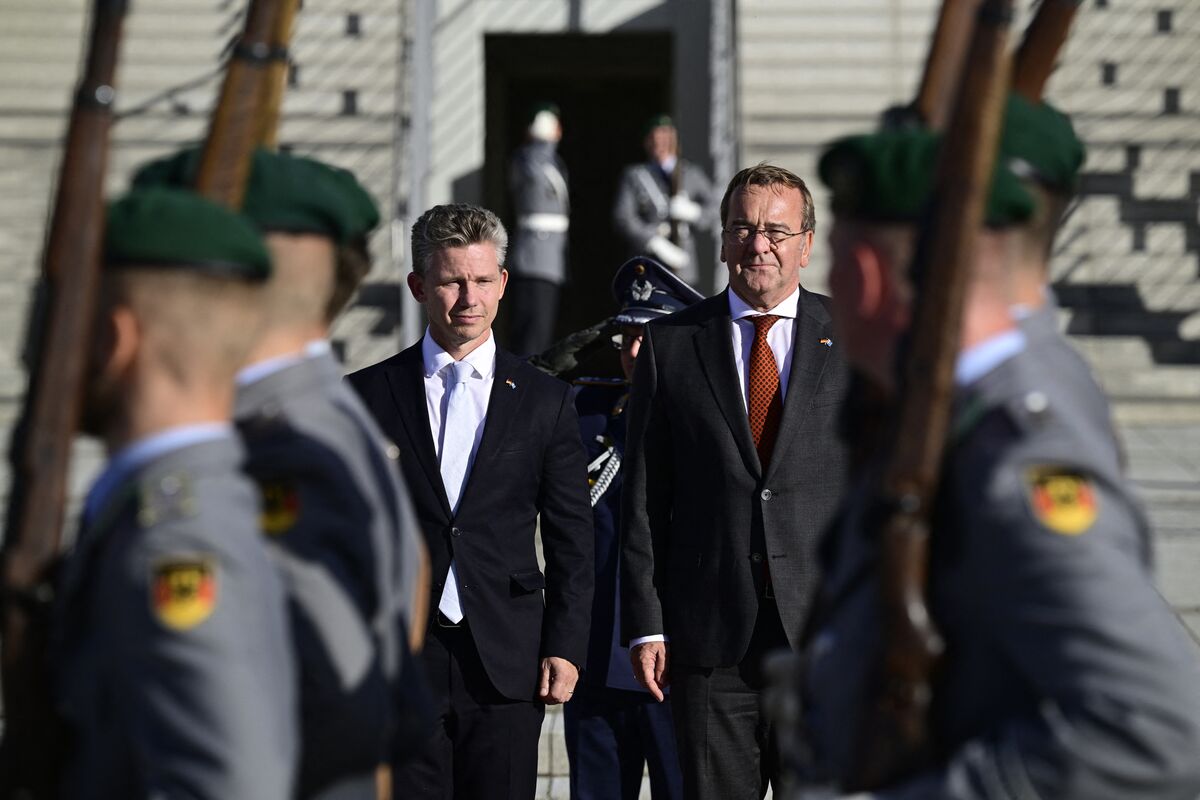
NATO allies are exhibiting significant internal divisions regarding the appropriate response to Russian airspace violations, with Germany cautioning against shooting down aircraft while the U.S., Poland, and Baltic states advocate for a more aggressive stance, including explicit threats to engage aerial threats. This public disagreement highlights a lack of unified strategy within the alliance, potentially complicating deterrence efforts and signaling geopolitical instability.
A significant and public fracture has emerged within the NATO alliance over its strategic response to Russian airspace violations, signaling heightened geopolitical risk. The article highlights a direct contradiction between member states: Germany has publicly warned against the escalatory dangers of engaging Russian aircraft, while the United States, Poland, and Baltic states are advocating for a more aggressive posture. This divergence was underscored by Polish Prime Minister Donald Tusk's statement on Monday threatening to shoot down aerial threats, a position in stark opposition to Germany's. This lack of a unified strategy, reflected in the strongly negative sentiment score (-0.6) and high market impact potential (0.65), creates strategic uncertainty that could undermine the alliance's deterrence capabilities and increase the probability of a miscalculation in the region.
AI-powered research, real-time alerts, and portfolio analytics for institutional investors.
Request DemoOverall Sentiment
strongly negative
Sentiment Score
-0.60
