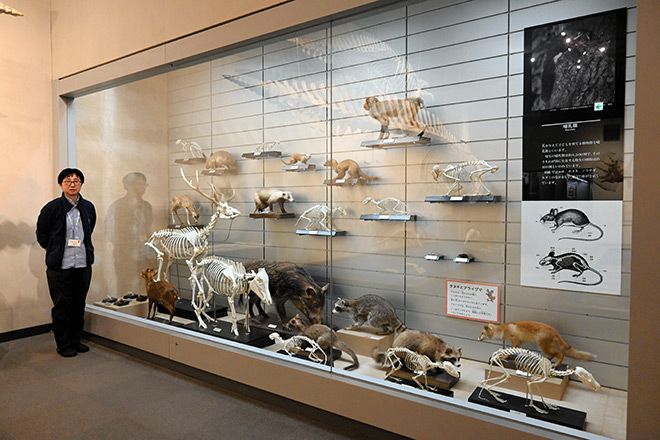
Chiba Prefecture remains the only prefecture on Honshu without wild bears, with museum records and archaeological evidence showing no historical presence; experts attribute this to past sea-level rise and the peninsula’s isolated geography that prevents bear migration. The absence of bears has modestly boosted tourism interest in local sites, while agricultural damage from wild boar and muntjac deer poses an ongoing local cost; prefectural authorities have no bear-specific response plan and would adapt wild-boar management procedures if bears appeared.
Market structure: The Chiba “no-bear” narrative creates localized winners in travel & leisure (regional hotels, onsen, JR East commuter/tourist flows) and losers in neighboring mountain tourism where bear fears have dented footfall. Agricultural inputs (fencing, non-lethal deterrents) and municipal pest-control budgets rise where deer/boar damage is endemic; this supports demand for farm machinery and security services over 6–18 months. Pricing power is modest and regional—national chains with diversified Japan exposure are better positioned than single-site operators.
Risk assessment: Tail risk is an escalation of bear incidents that depresses domestic tourism broadly (20–40% hit to visitor numbers in affected prefectures over a quarter), forcing reallocation of travel to perceived-safe areas like Chiba; opposite tail is a rapid recolonization of Chiba which management currently regards as unlikely. Hidden dependencies include prefectural budget reallocation to pest management (squeezes capex or local muni bond issuance) and reputational/ESG consequences for park operators if wildlife policies are mishandled. Catalysts: spring Golden Week bookings (Mar–May) and any government wildlife-policy announcements in next 30–90 days.
Trade implications: Favor selective longs in Japan domestic travel and regional rail (short-term 1–3% tactical positions) and agricultural-equipment/security names benefiting from fence/repellent demand over 3–12 months. Use pair trades: long Chiba-exposed hospitality/rail vs short Tohoku mountain resort operators where occupancy risk is rising. Options: buy 3–6 month call spreads to capture seasonal booking upside while capping premium.
Contrarian angles: Consensus underestimates fiscal flow from pest-control spending; small muni issuance or grants to prefectures could support local contractors and equipment makers. Reaction is underdone in equities: travel recovery to safe zones tends to be concentrated and quick—mispriced seasonal calls (Mar–May 2026) offer asymmetric payoff versus outright stock buys.
AI-powered research, real-time alerts, and portfolio analytics for institutional investors.
Request DemoOverall Sentiment
neutral
Sentiment Score
0.00
