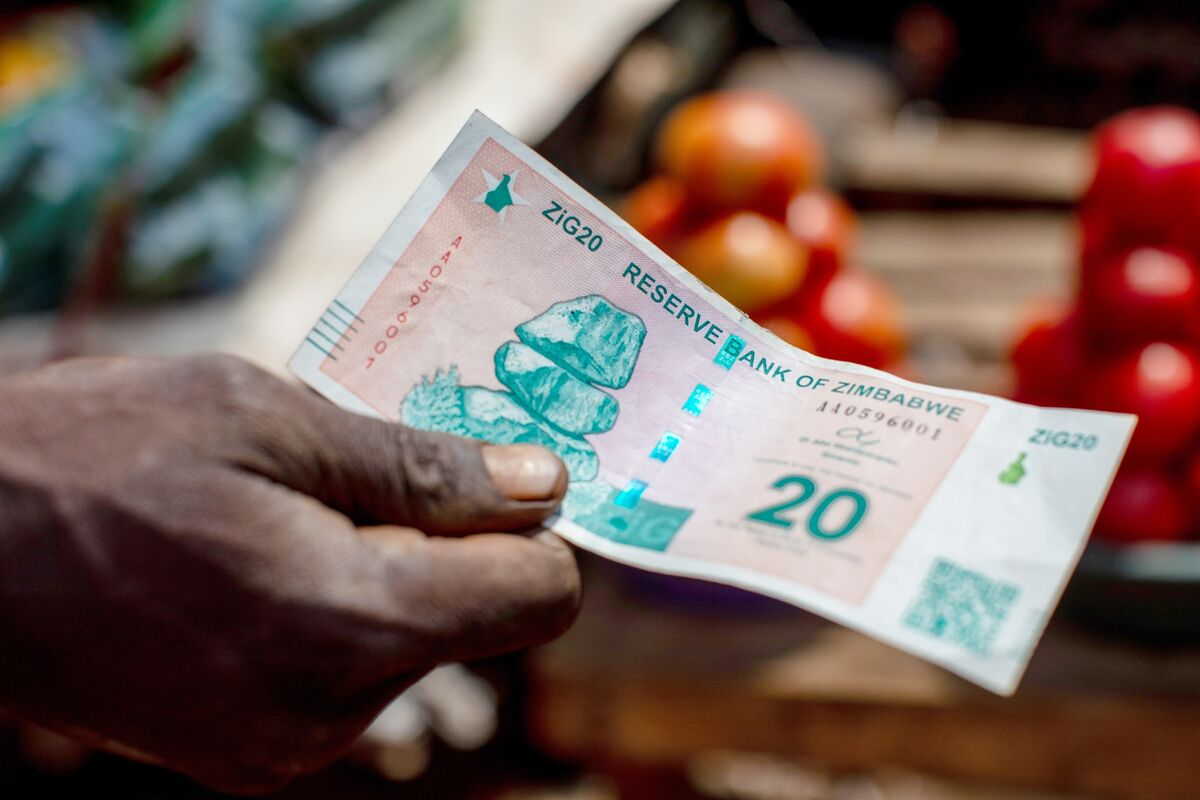
Zimbabwe’s central bank governor said the ZiG currency may be undervalued by nearly 50%, estimating a reserve-backed exchange rate of about 15 per dollar versus the current 25-28 range. The remarks point to stronger backing from foreign reserves and gold, but they are mainly explanatory rather than an immediate policy change. The news is relevant for FX and emerging markets, with limited near-term market impact.
The key market signal is not the governor’s valuation claim, but the implicit admission that the currency regime is being defended by scarce balance-sheet assets rather than by broad confidence in the unit. That creates a classic two-tier setup: any actors with access to hard currency, export receipts, or offshore settlement capacity gain optionality, while domestic businesses tied to local-currency working capital face a growing discount on inventory replacement and higher real funding costs. The second-order effect is tighter pass-through into imported fuel, food, and industrial inputs, which will pressure margin structure long before headline FX levels fully adjust.
The near-term risk is that the declared anchor becomes a ceiling the market tests, not a floor it respects. If the street starts treating 15 as the “true” value, then 25–28 becomes a de facto tax on local savers and importers, which can accelerate currency substitution, shorten duration of cash holdings, and push velocity higher over weeks to months. That feedback loop matters more than the reserve arithmetic: once households and corporates expect policy-managed overvaluation to persist, they front-load conversion into USD or hard assets, which can widen the gap again even if reserves look adequate on paper.
Contrarian take: the move may be underappreciated as a policy signal rather than an FX forecast. A central bank publicly emphasizing reserve backing is often trying to re-anchor expectations ahead of a need for tighter liquidity or more intrusive controls, which can create tradable dislocations in domestic asset prices without immediately fixing the currency. The practical winners are exporters and anyone with hard-currency revenue; the losers are import-dependent retailers, manufacturers, and local bondholders whose real returns are now more vulnerable to a sharper settlement rate adjustment.
The key catalyst to watch is whether the market gets an administrative move, not a market-clearing move: any shift toward stricter FX allocation, surrender requirements, or forced conversion would temporarily stabilize the official rate but usually at the cost of parallel-market widening and lower economic throughput within 1–3 months. If reserves data disappoint or gold backing is questioned, the credibility premium disappears quickly, and the currency gap can reprice in days rather than quarters.
AI-powered research, real-time alerts, and portfolio analytics for institutional investors.
Request DemoOverall Sentiment
neutral
Sentiment Score
0.00
