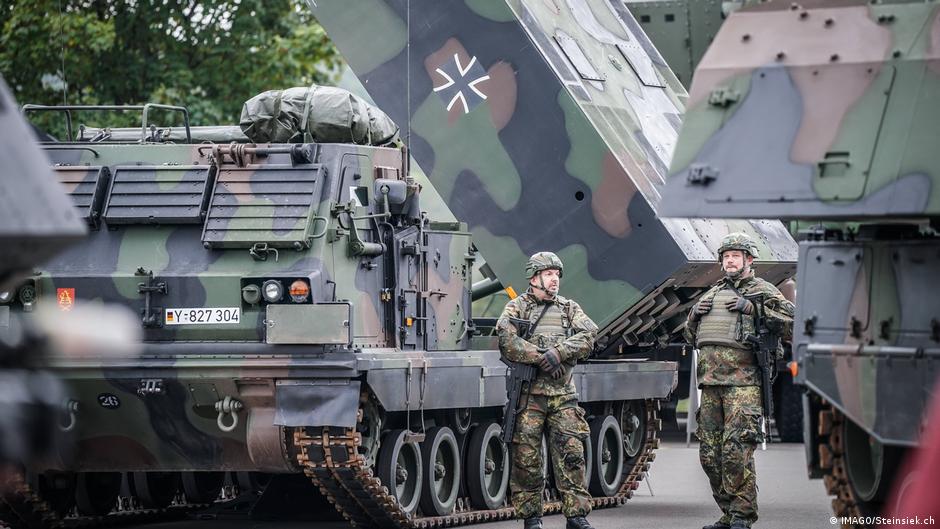
Germany formally adopted its first military strategy, identifying Russia as the greatest and most immediate threat and setting a goal of 460,000 soldiers by the mid-2030s, including 200,000 reservists. The Bundeswehr also plans to accelerate growth by 2029 and roll out a new service/recruitment framework, with conscription still off the table for now. The move underscores heightened European defense readiness and could support defense spending across NATO-related suppliers.
This is a structural re-rating event for the European defense complex, but the market will likely misprice the timing. The real economic impact is not the headline strategy; it is the procurement pipeline that follows once Berlin starts translating doctrine into orders, which should favor companies with existing NATO-compatible production lines and sovereign capacity in Germany, Italy, France, and the Nordics. The second-order winner is the domestic industrial base: munitions, air defense, secure comms, logistics software, and training systems should see multi-year demand visibility as governments prioritize readiness over platform perfection.
The constraint is execution, not intent. Germany can declare force expansion, but labor shortages, permitting, and fragmented procurement will bottleneck spend for years, so near-term revenue acceleration will likely be concentrated in ammunition and maintenance rather than exotic next-gen platforms. That makes the opportunity less about pure headline beta and more about names that already have backlog conversion, pricing power, and exposure to replenishment cycles rather than long-dated development programs.
The contrarian takeaway is that the market may overestimate how quickly Europe can build a materially larger force and underestimate how much of the budget gets absorbed by bureaucracy and personnel costs. If conscription is avoided, wage inflation and recruitment incentives will cannibalize equipment procurement, which is bearish for some prime contractors but bullish for logistics, training, and automation vendors. The tail risk is political reversal if fiscal discipline or coalition instability constrains defense spending before the 2029 readiness target becomes a binding budget line, but the base case remains a durable upward revision to European defense capex over the next 2-5 years.
AI-powered research, real-time alerts, and portfolio analytics for institutional investors.
Request TrialOverall Sentiment
mildly negative
Sentiment Score
-0.15
