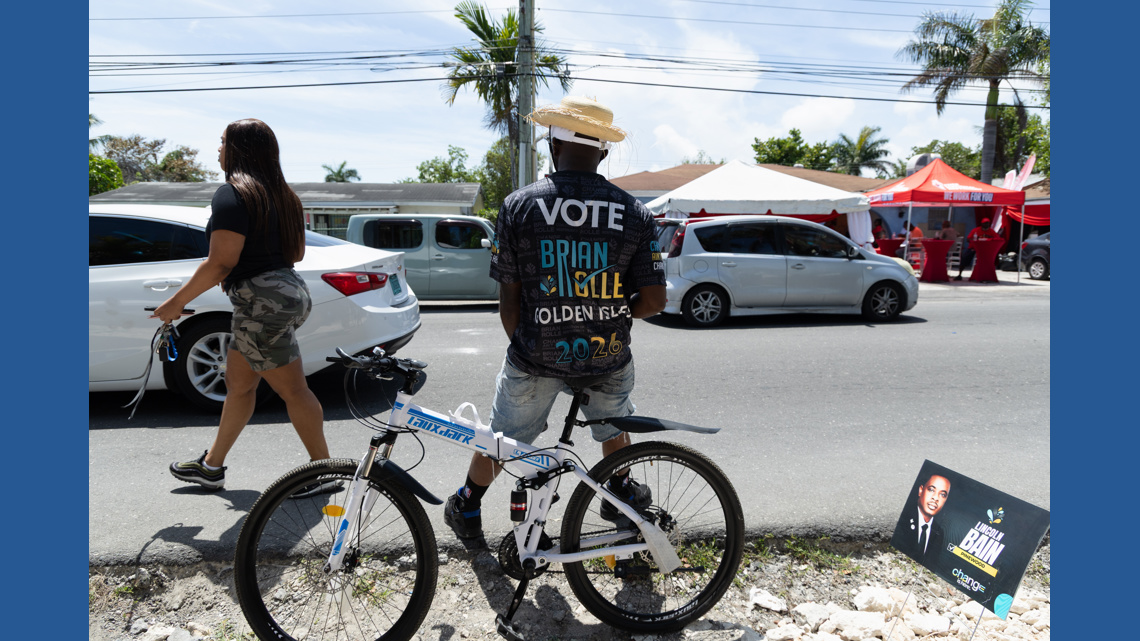
Bahamian Prime Minister Philip Davis won a second term in a snap election, with local media projecting the Progressive Liberal Party to secure more than 30 of 41 parliamentary seats. The result marks the first time since 1997 that a party has won back-to-back general elections in the Bahamas. The article is politically significant but does not indicate an immediate market-moving policy shift.
The near-term market read-through is not about a policy shock, but about reduced regime uncertainty in a small, tourism- and services-heavy economy that trades more on confidence than on macro scale. A second consecutive win lowers the odds of disruptive policy turnover, which should support sovereign risk pricing, local credit, and foreign direct investment decisions that were likely being deferred pending the vote outcome.
The second-order beneficiary is the Bahamas’ external funding profile: continuity improves the probability of steady multilateral support, smoother fiscal execution, and fewer “wait-and-see” pauses from banks, hotel operators, and infrastructure contractors. The risk is that political stability does not solve the underlying operating issues; if the new term quickly shows no improvement in healthcare, public safety, or immigration control, the market may reprice from “stability premium” to “delivery skepticism” within 3-6 months.
For regional equities, the signal is mildly positive for Caribbean incumbency generally: investors typically prefer predictable rule sets over reform promises in markets where project finance and tourism pipelines depend on permitting and enforcement consistency. The contrarian angle is that the strongest rally often happens before the result; once confirmed, upside in domestic assets may be limited unless followed by credible cabinet changes or a targeted fiscal package. The main tail risk over the next year is a deterioration in tourism sentiment or an exogenous hurricane season shock, which would matter far more to markets than the election itself.
AI-powered research, real-time alerts, and portfolio analytics for institutional investors.
Overall Sentiment
neutral
Sentiment Score
0.10
