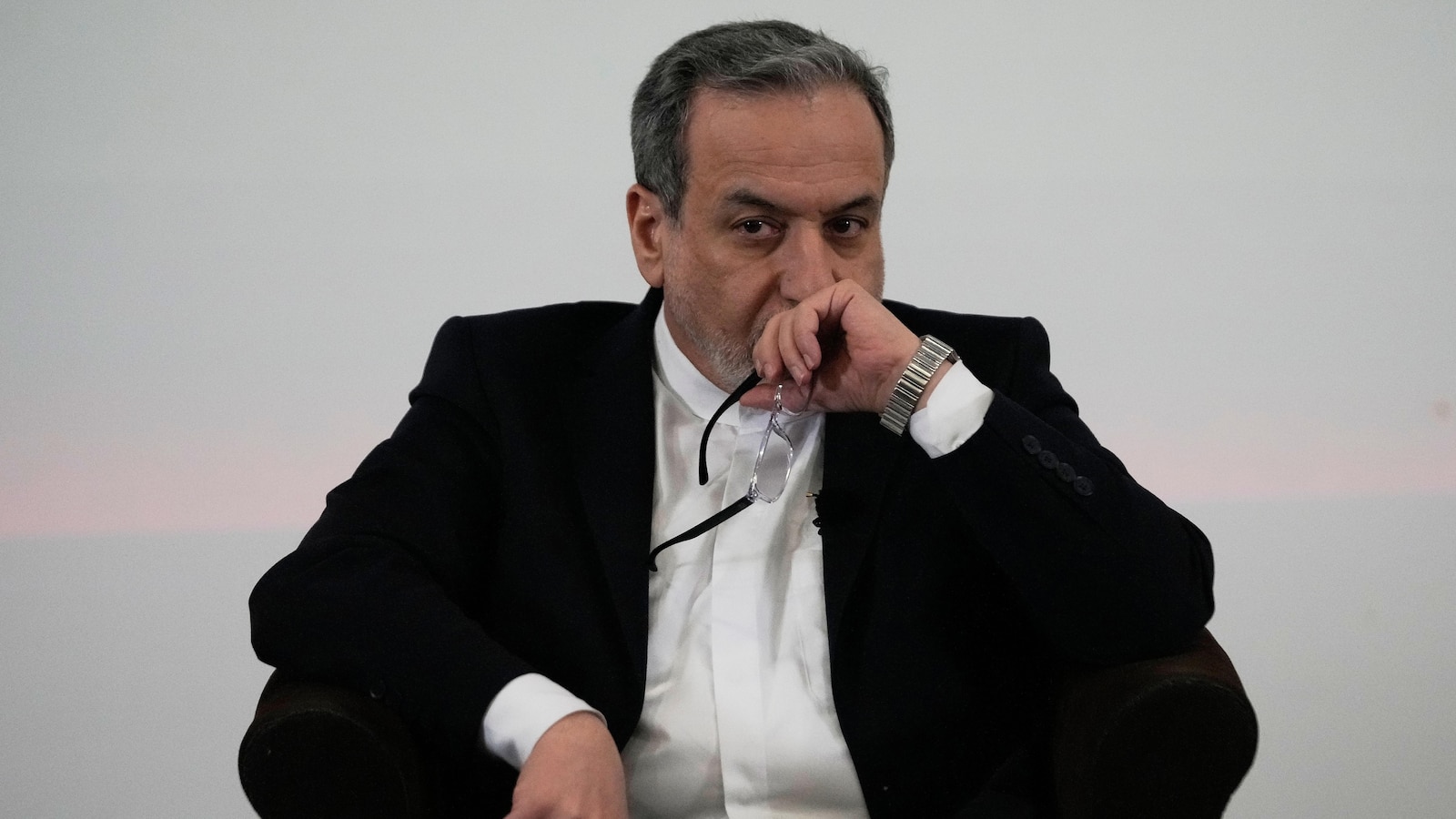
Iran's foreign minister warned the United States that Tehran would "fire back with everything we have" if attacked, the sharpest public threat since Tehran's deadly suppression of domestic protests. U.S. force movements — an aircraft carrier strike group transiting west and deployments of F-15Es and a HIMARS system to the Mideast — alongside reports of an alleged Iranian strike on a Kurdish dissident base in Iraq, raise near-term regional escalation risk. The unrest inside Iran has reportedly produced at least 4,519 deaths and over 26,300 arrests amid an internet blackout, increasing tail-risk for energy markets, regional assets and defense-related securities if conflict broadens.
Market-structure: Geopolitical risk raises near-term winners (defense contractors, oil producers, insurers) and losers (airlines, emerging-market sovereigns/equities, regional banks). A credible disruption to Strait of Hormuz or Gulf shipping could remove 0.5–1.5 mb/d of crude from markets for weeks, advantaging Brent over WTI and increasing freight and war-risk premiums by 20–50% in short order.
Risk assessment: Tail risks include a limited conventional strike (days) or a sustained asymmetric campaign (weeks–months) that forces prolonged shipping reroutes and sanctions; a low-probability high-impact scenario is oil >$150/bbl within 3 months if multiple chokepoints are hit. Hidden dependencies: insurance premia, LNG contract price windows, and US base exposure create nonlinear pass-through to European gas and Asian refining margins. Key catalysts: carrier arrival (days), Iranian missile/drone use (hours–days), US diplomatic moves and Gulf states’ lobbying (1–4 weeks).
Trade implications: Expect USD and Treasuries to rally in immediate risk-off while oil and gold spike; defense equities should react on both headline risk and order-book adjustments. Volatility will be front-loaded: short-dated options (1–6 weeks) will be richly priced; longer-dated (3–6 months) options offer better risk/reward to buy protection or leverage upside.
Contrarian angles: Consensus may overpay for immediate oil-only plays while underweighting the protracted demand shock to airlines and tourism; if Brent fails to sustain >$95 for two weeks, energy equities will mean-revert and defense vol will contract. Historical parallels (Gulf flare-ups 1990s/2019) show large immediate spikes followed by partial mean reversion in 3–12 months — favor option-structured exposure, not large cash longs.
AI-powered research, real-time alerts, and portfolio analytics for institutional investors.
Request DemoOverall Sentiment
strongly negative
Sentiment Score
-0.60
