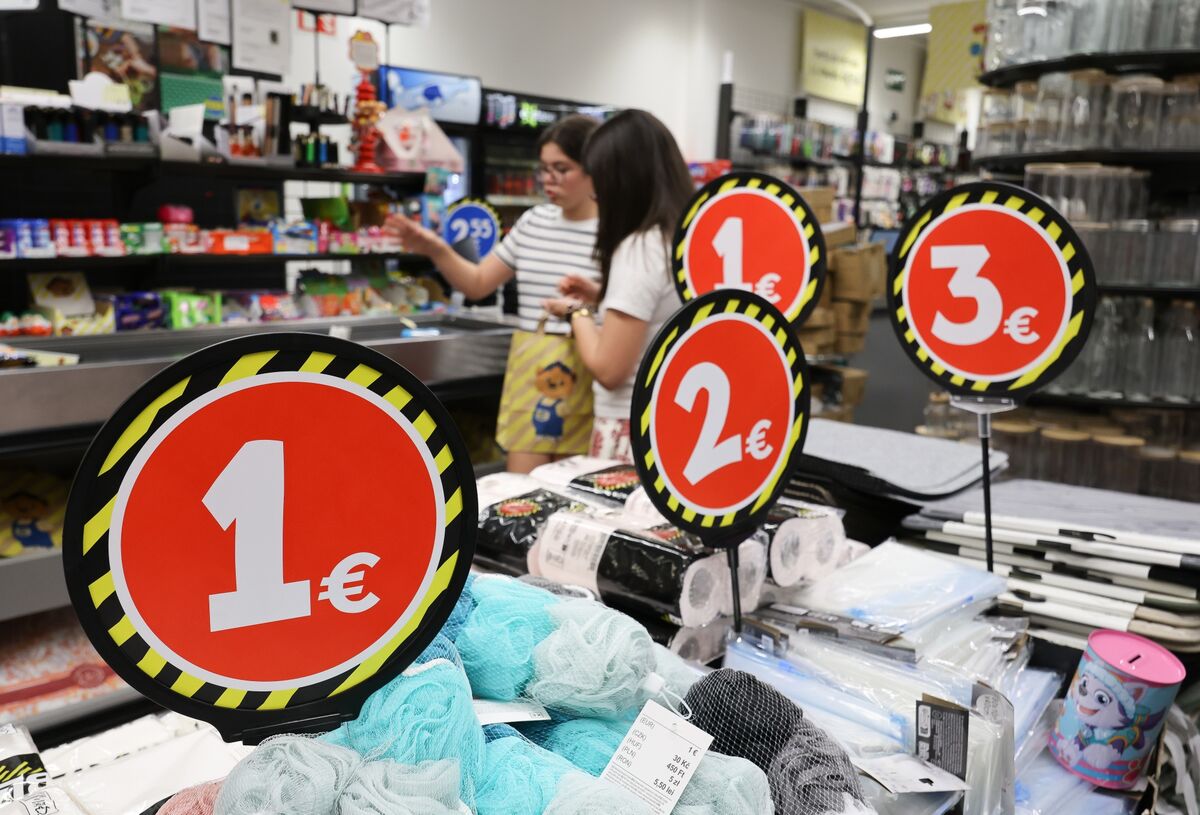
Spanish inflation held at 3.6% in June, unchanged from May and above the 3.4% Bloomberg consensus estimate, keeping it well above the ECB’s 2% target. The reading came despite lower energy prices following the US-Iran peace deal, suggesting underlying price pressures remain sticky. The data is modestly hawkish for ECB policy expectations but is unlikely to move markets broadly on its own.
The market is underpricing the risk that disinflation in the euro area remains lumpy even after the energy shock fades. A sticky Spanish print matters because it weakens the “rapid convergence to target” narrative the ECB has been implicitly leaning on, which should keep terminal-rate expectations biased higher for longer and reduce the odds of aggressive easing later this year. That is most painful for duration-sensitive assets: European sovereign bonds, especially the periphery, and rate-levered sectors that have been trading on imminent policy relief.
The second-order effect is a relative-policy divergence trade. If ECB cut timing gets pushed out while growth remains soft, Europe gets the worst of both worlds: slower nominal activity with still-restrictive real rates. That is supportive for the euro only in a narrow sense, but more likely it tightens financial conditions further and pressures domestic cyclicals, housing, and small caps that depend on cheap funding and improving real incomes. Energy-sensitive consumer names may get a short-term boost from lower oil, but the inflation persistence suggests non-energy components are taking over, which is a more durable problem for margins and wage setting.
The contrarian view is that one country’s sticky print is not yet a regime change; the bigger risk is overreacting to a single month and getting trapped in an overcrowded short-duration trade if upcoming data normalize. However, the energy-price relief itself should have been disinflationary by now, so persistence implies services and wages are more embedded than the market expected. That makes the next 4-8 weeks of labor and core inflation prints the key catalyst window: if they echo this signal, the ECB repricing could be violent; if not, the move in rates likely retraces quickly.
AI-powered research, real-time alerts, and portfolio analytics for institutional investors.
Request DemoOverall Sentiment
mildly negative
Sentiment Score
-0.15
