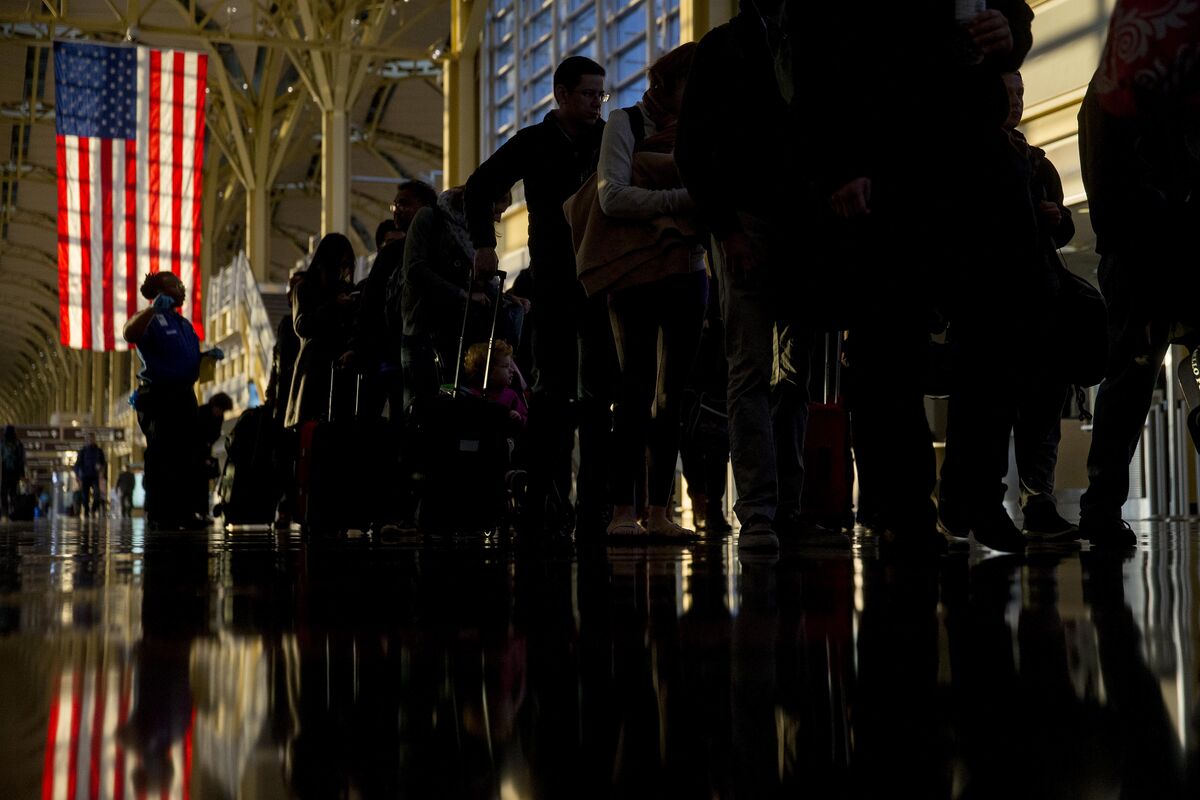
The Trump administration is proposing a significant overhaul of the H-1B visa selection process, moving from a randomized lottery to a system that prioritizes applicants based on skill level and wages offered, utilizing four Labor Department wage bands. This change, aimed at addressing concerns about American worker displacement, would notably impact the tech industry, which heavily relies on these visas.
The Trump administration is proposing a fundamental shift in the H-1B visa allocation mechanism, moving from the current randomized lottery to a system prioritizing higher-skilled and higher-paid positions. This regulatory overhaul would segment visa applicants into four wage tiers based on Labor Department data, directly impacting the talent acquisition strategies of industries heavily reliant on this program, most notably the technology sector. The policy aims to address political concerns about the displacement of American workers. For companies, this change implies a potential increase in labor costs, as securing foreign talent will likely require offering salaries that fall into the higher wage bands. The moderately negative sentiment score of -0.4 suggests that the market perceives this as a headwind, likely due to the prospect of margin compression for firms that have historically utilized the H-1B program for a broad range of technical roles, not just those at the highest compensation levels.
AI-powered research, real-time alerts, and portfolio analytics for institutional investors.
Request DemoOverall Sentiment
moderately negative
Sentiment Score
-0.40
