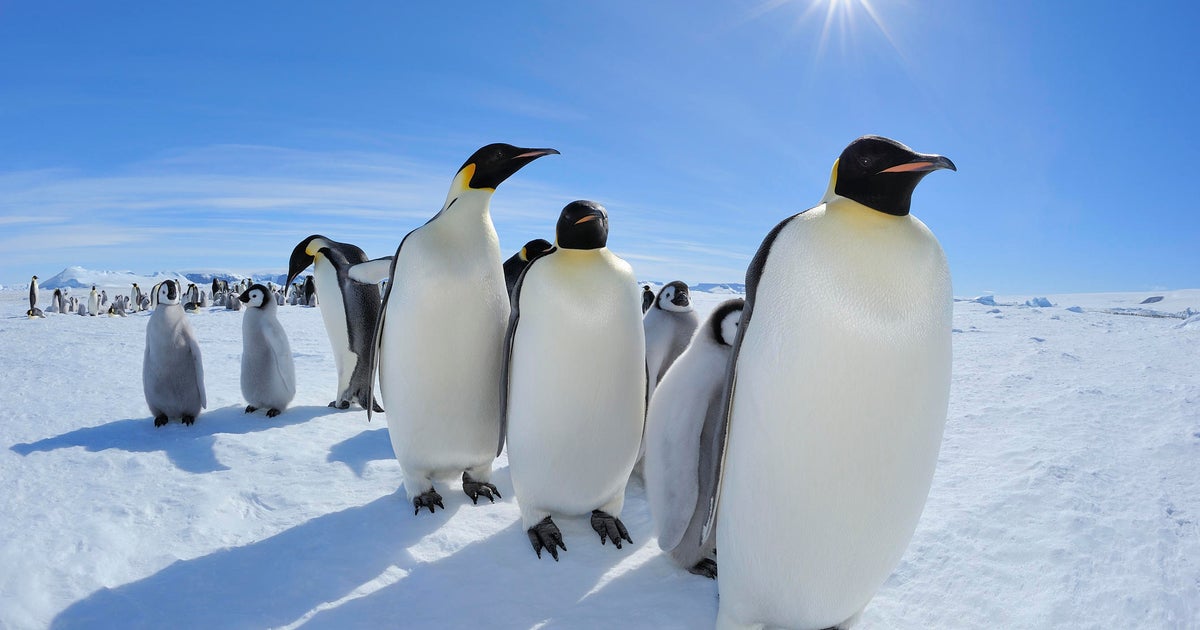
IUCN reclassified the emperor penguin as 'endangered', projecting about a 50% population decline by the 2080s due to sea-ice loss from climate change. Satellite imagery indicates ~20,000 adults (~10% of the population) disappeared between 2009 and 2018; Antarctic fur seals have plunged >50% since 1999 and the southern elephant seal was moved to 'vulnerable' after declines from a contagious pathogen. The assessment signals rising physical climate risk and could increase regulatory/ESG scrutiny and conservation funding needs for polar-exposed sectors and portfolios.
This listing will accelerate regulatory and NGO pressure on extractive and tourism activities tied to polar ecosystems, creating 12–36 month policy windows where catch quotas, seasonal access and insurance terms are renegotiated. A plausible scenario: targeted catch limits or de-facto moratoria on small, high-impact fisheries (krill/forage species) could tighten ingredient supply chains used in nutraceuticals and animal feed, producing supply shocks that propagate to a handful of specialist producers rather than broad commodity markets.
Demand for high‑frequency, verifiable environmental monitoring will jump — regulators and certification schemes need independent verification, which favours companies with satellite imagery, analytics platforms and recurring SaaS contracts. Incremental ARPU from government and NGO contracts can re-rate select imagery/analytics names even if headline revenue growth is modest; a single multi‑year contract often covers the R&D payback for specialized analytics.
There is also a near‑term reputational and underwriting shock for polar tourism and niche extractive players: travel bookings can reprice quickly on negative headlines while insurers and brokers tighten terms, creating asymmetric downside for lightly capitalized operators and selective upside for brokers/insurers that can capture higher fees/premiums. The one clear reversal path is either rapid, sustained mitigation policy that materially reduces regulatory tail‑risk, or a short cyclical rebound in environmental indicators that undermines urgency — neither is a high‑probability near‑term outcome given current political timelines.
AI-powered research, real-time alerts, and portfolio analytics for institutional investors.
Request DemoOverall Sentiment
moderately negative
Sentiment Score
-0.60
