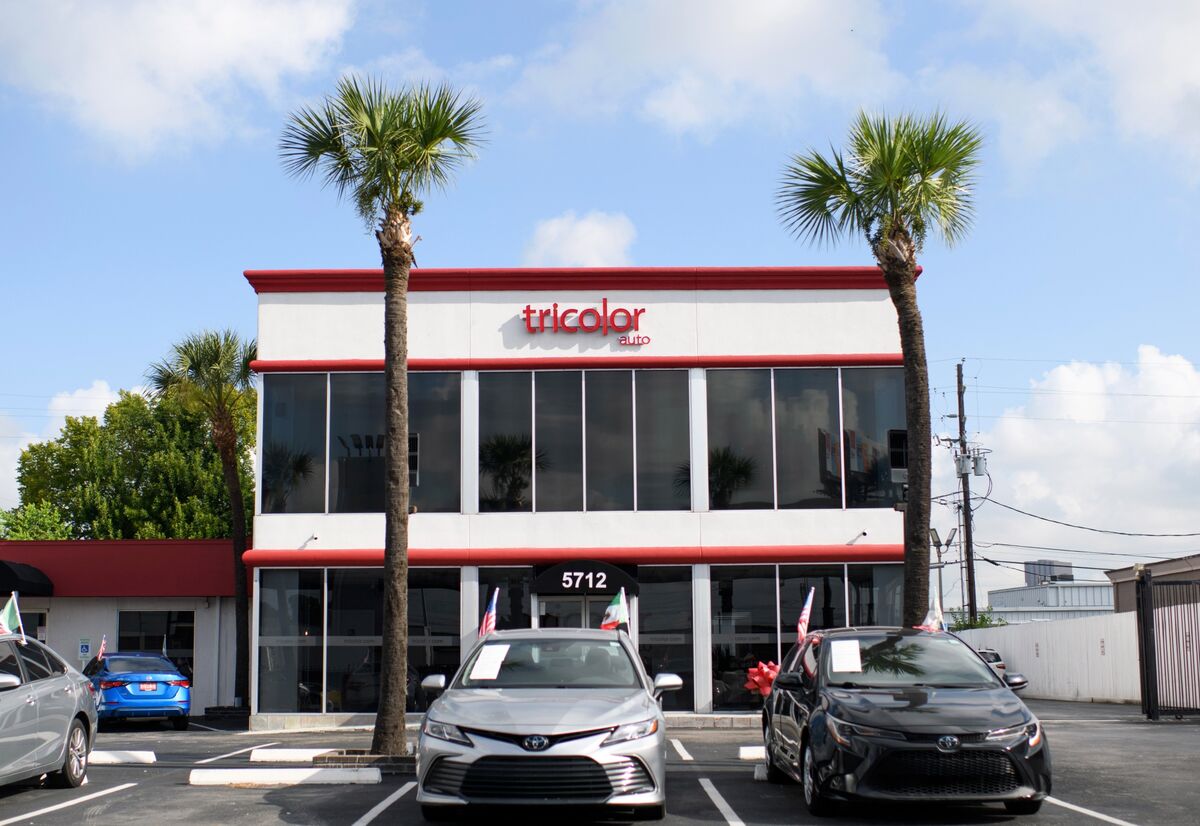
Former Tricolor Holdings COO David Goodgame said he will plead guilty to multiple criminal counts tied to the company’s collapse and alleged warehouse-loan fraud. The plea leaves founder Daniel Chu as the remaining defendant facing charges that he orchestrated a systemic fraud against banks. Two other former executives have already pleaded guilty and are cooperating with prosecutors.
The incremental market implication is less about the legal headline itself and more about what the cooperating witnesses do to the evidence stack. Once multiple senior operators plead, prosecutors can more easily convert the case from an individual misconduct story into a control-failure narrative, which raises the odds of downstream actions against lenders, auditors, insurers, and any parties that financed or underwrote receivables tied to the platform. That matters because these cases often widen from the original borrower into the credit ecosystem, especially where warehouse lending was extended on the assumption of inventory and collateral controls that may now be questioned.
The second-order loser set is likely regional and specialty lenders with similar underwriting exposure to auto finance, floorplan, or asset-based warehouse structures. Even absent direct contagion, the event should tighten covenants and increase diligence costs across subprime auto and collateral-dependent lending over the next 1-3 quarters, which can compress originations and increase funding spreads. The immediate beneficiary is any competitor with cleaner servicing and collateral verification, as counterparties reprice trust and migrate volume toward lenders with simpler structures and better auditability.
The setup is bearish for risk assets tied to opaque private-credit-like financing, but the catalyst path is uneven: the first leg is reputational and regulatory, while the second leg—civil claims, clawbacks, and lender write-downs—lands over months, not days. If prosecutors signal broader cooperation or additional defendants, the market should expect a fresh wave of mark-to-market pressure on lenders with concentrated used-auto exposure. A key reversal would be a rapid containment of the case to a narrow fraud ring with no lender losses, which would reduce the odds of systemic read-through to the financing complex.
Consensus is likely underestimating how little direct exposure is required for a funding market to tighten. Even a contained collapse can still raise reserve requirements and underwriting haircuts across an entire niche, which is often a better trading signal than headline fraud size. The asymmetry is that downside can spread via standards and spreads even if legal damages remain localized.
AI-powered research, real-time alerts, and portfolio analytics for institutional investors.
Request DemoOverall Sentiment
strongly negative
Sentiment Score
-0.72
