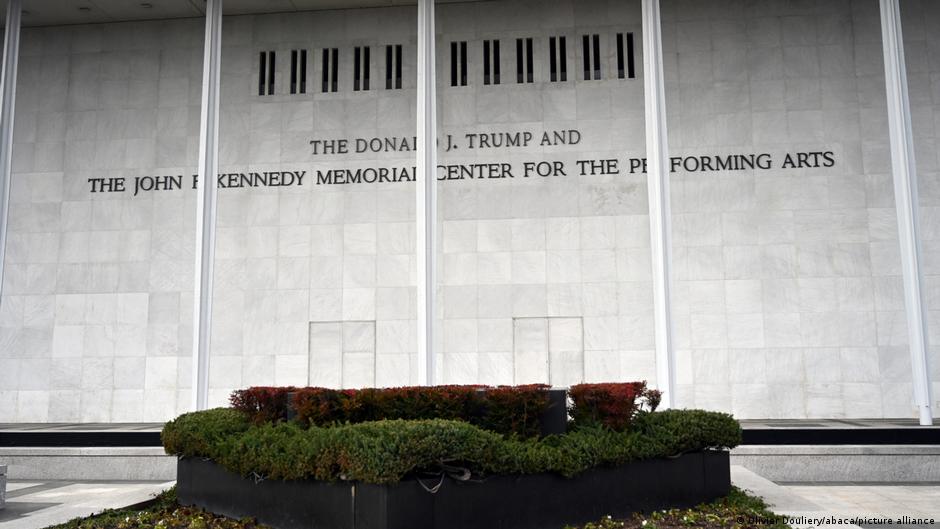
A US federal judge ruled that only Congress can change the Kennedy Center’s name or approve renovations, rejecting the Trump administration’s attempt to attach Trump’s name to the venue. The ruling also called the board’s closure vote 'ill-informed and seemingly preordained,' and Trump said he would cancel the renovation and return control to Congress. The decision is a legal and governance setback, but its direct market impact is limited.
This is less a media story than a governance precedent. The immediate market signal is that politically appointed boards can be constrained by statute, which raises the hurdle rate for using federal cultural assets as branding vehicles and reduces the probability of unilateral, capex-heavy “signature” projects getting executed on a tight political timetable. The second-order effect is on vendors and contractors: any renovation pipeline tied to contested governance now carries higher legal-completion risk, longer procurement cycles, and a greater chance of scope reversal before awards are finalized.
The beneficiary set is broader than the arts sector. Institutions with explicit congressional or statutory protections should see a modest de-risking of their governance overhang, while politically exposed real-asset owners face a higher discount rate on projects that depend on executive discretion rather than clean legal authority. For adjacent spend categories—construction, AV systems, security, and facilities management—the key implication is not lower spend, but delayed spend and more fragmented spending, which tends to favor larger, diversified contractors over specialty names that need clean, fast awards.
The real catalyst risk is duration. In the next few weeks, the tradeable issue is not the court ruling itself but whether the administration escalates with alternative legal or administrative maneuvers, which could reintroduce headline volatility and freeze planning across related venues. Over months, if the venue resumes normal operations, the unwind would likely benefit event-driven revenue streams, but if the conflict persists, utilization and donor confidence can remain impaired despite the legal win.
Consensus may be underestimating how often this kind of statutory dispute spills into procurement behavior: even when the underlying asset is preserved, the shadow cost of uncertainty can suppress bookings, sponsorship decisions, and renovation timing for multiple quarters. That creates a subtle winner in “wait-and-see” optionality and a loser in any business model requiring immediate capex conversion from political sponsorship into executable work.
AI-powered research, real-time alerts, and portfolio analytics for institutional investors.
Request DemoOverall Sentiment
neutral
Sentiment Score
-0.10
