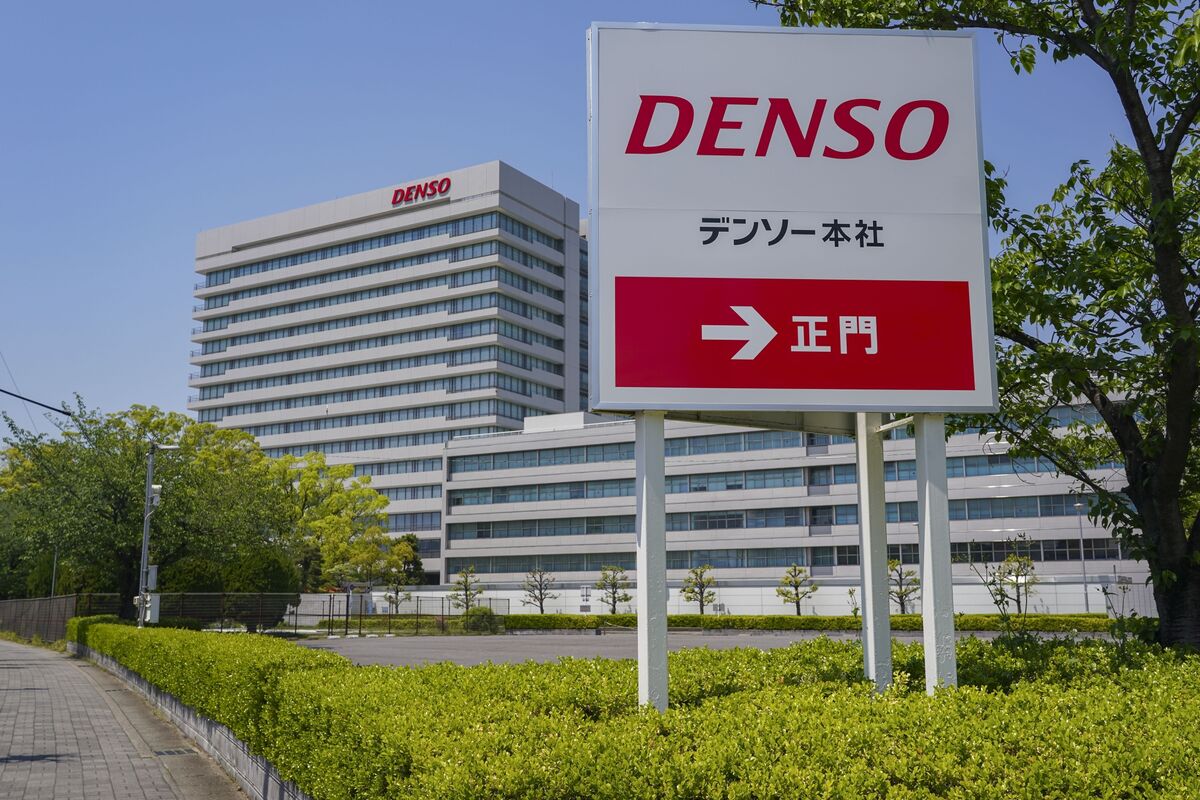
Denso is set to withdraw its proposal to take over Rohm after the two sides could not agree on terms and Rohm reportedly failed to support the acquisition. The deal breakdown is a setback for Denso’s expansion in semiconductors and underscores strategic concerns at Rohm about becoming too reliant on automotive chips. The news is negative for the companies involved, but the broader market impact should be limited.
The failed combination is a signal that strategic consolidation in automotive semis is harder than the market assumes. The key second-order effect is that specialty chip suppliers keep more bargaining power than OEM-adjacent buyers, because the asset is not just wafers but long-cycle design wins and channel relationships that can be disrupted by ownership changes. That tends to preserve pricing discipline in a segment where customers are already trying to de-risk single-source exposure.
For the auto supply chain, the near-term loser is any buyer hoping to vertically integrate semiconductor capacity into an automotive procurement stack. If this deal breaks, it reinforces the idea that semiconductor businesses with broad industrial exposure will resist being pulled into a captive-auto model, which could keep scarce engineering resources focused on higher-margin mixed-end-market programs rather than lower-multiple automotive content. That is structurally supportive for diversified analog/power names and somewhat negative for auto parts groups trying to reduce chip procurement volatility through ownership rather than contracts.
Catalyst-wise, this is more of a months-long repricing than a one-day event: the immediate move is sentiment, but the real impact shows up in how other potential buyers price strategic optionality into M&A talks. If the market starts to view auto-semiconductor tie-ups as execution-risky, bid premiums for niche chip assets should compress and alternative structures like JV supply agreements or minority stakes should become more common. The contrarian read is that the collapse may actually be constructive for the target’s independence, because avoiding a forced strategic fit can protect premium customer relationships and keep multiple bidders alive later.
I would not chase a broad selloff in the industrial/auto complex; the cleaner expression is relative-value in semis. The event mostly changes who has leverage in future negotiations, not end-demand for chips, so the alpha is in the spread between captive automotive exposure and diversified semiconductor franchises.
AI-powered research, real-time alerts, and portfolio analytics for institutional investors.
Request DemoOverall Sentiment
moderately negative
Sentiment Score
-0.20
