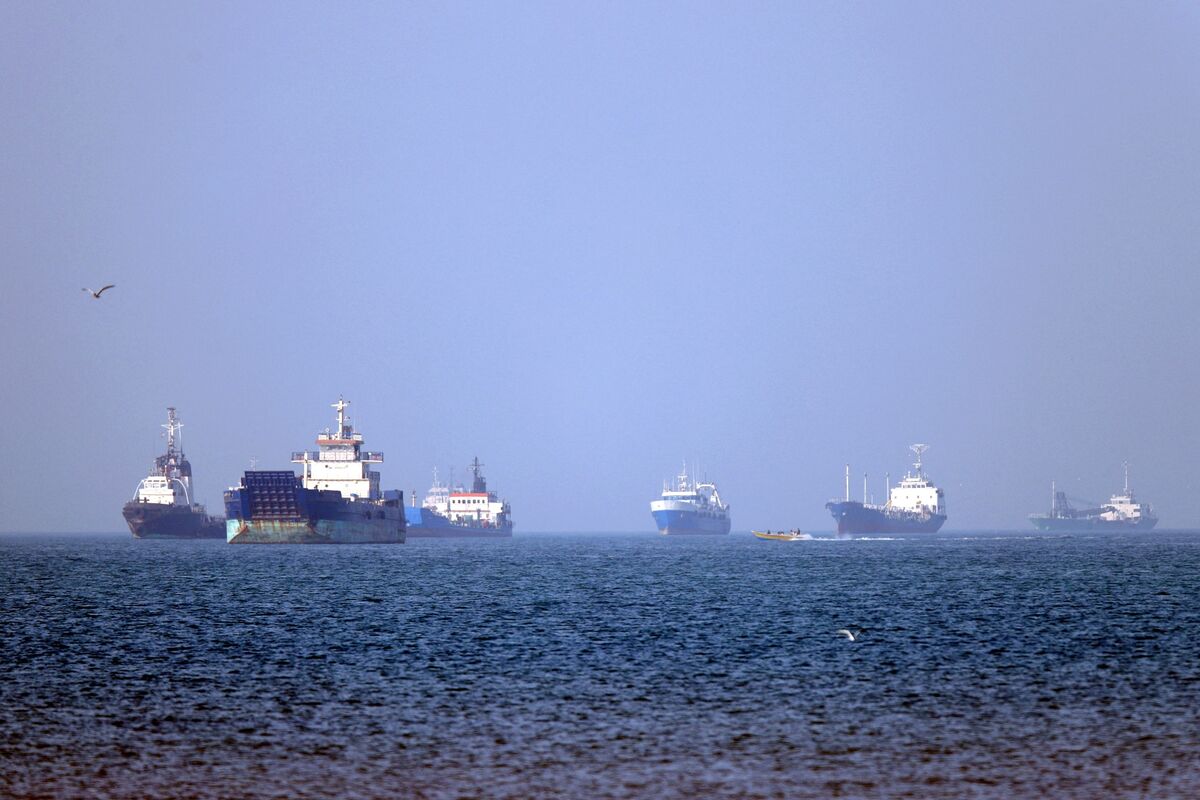
The US said the offensive phase of its conflict with Iran is over, but a cargo vessel was hit in the Strait of Hormuz after a day of strikes, signaling continued risk to shipping. Secretary of State Marco Rubio said 'Operation Epic Fury is concluded' and that the US achieved its objectives. The situation remains highly volatile for energy flows and global trade routes through the Strait.
The market is likely to misread this as a clean de-escalation, but the more important signal is that the threat has shifted from state-on-state strikes to asymmetric disruption risk. That tends to be more damaging to shipping and insurance than to headline-indexed energy prices at first, because the first marginal response is higher freight, war-risk premia, and longer routing times rather than an immediate supply shock. The second-order winner is any asset tied to rerouting and redundancy: LNG export logistics, tanker owners with modern fleets, port security, and non-Gulf supply chains that can capture displaced volumes.
The vulnerable set is broader than obvious container or tanker names. Industrials and airlines face a lagged squeeze if insurance costs and transit times rise for Gulf-linked cargo, while refiners outside the region can benefit if crude differentials widen faster than product cracks normalize. The key distinction is duration: a 1-2 week spike is a trading event; a 1-3 month pattern of harassment changes inventory policy, raises working capital, and pushes shippers to preemptively de-risk routes.
Tail risk remains a single incident that materially impairs traffic flow enough to force government escorts or convoying, which would harden the risk premium quickly. Conversely, if the market sees several days without another hit, implied volatility in energy and shipping should compress sharply because positioning is likely crowded on the disruption side after the initial shock. The contrarian read is that the most obvious long in crude may be underwhelming if physical flows are only delayed, not removed; in that case the better expression is cross-asset spread trades, not outright directional energy beta.
A months-long ceiling on escalation would also argue for selling into any freight panic: the real macro effect is usually a tax on trade efficiency, not a sustained energy supercycle. That means the best opportunities are in short-dated volatility and relative-value exposures rather than long-duration commodity longs.
AI-powered research, real-time alerts, and portfolio analytics for institutional investors.
Request DemoOverall Sentiment
mildly negative
Sentiment Score
-0.20
