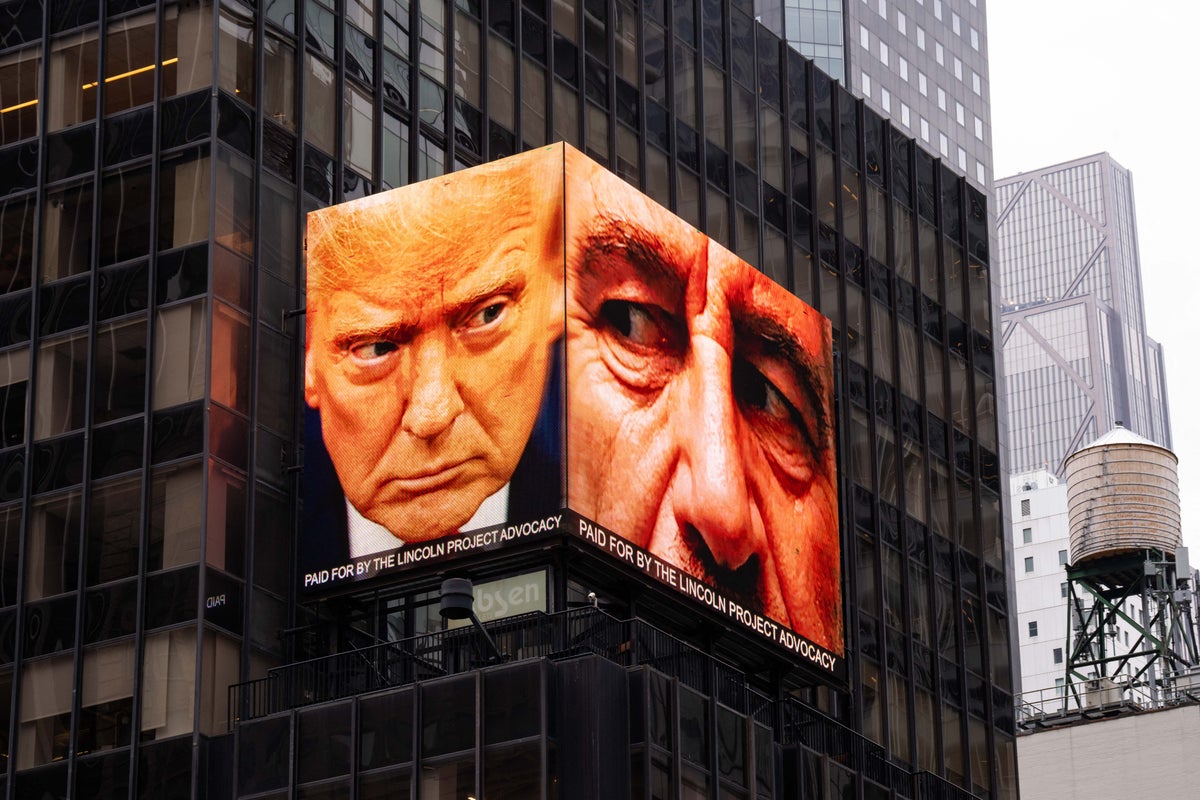
Trump refiled a $10 billion defamation lawsuit against The Wall Street Journal in federal court in Miami after his initial complaint was dismissed for legal flaws. The suit targets Rupert Murdoch, Dow Jones, News Corp CEO Robert Thomson, and two Journal reporters over reporting tied to Jeffrey Epstein; Dow Jones says it has full confidence in the story and will fight aggressively. The case adds to Trump’s broader confrontation with major media outlets, but the immediate market impact appears limited.
This is less a single-issuer earnings event than an escalation in Trump’s broader media-confrontation regime, which increases headline volatility across legacy news names and raises the probability of discovery risk for outlets that have published adversarial coverage. The near-term beneficiary is not a direct ticker but the litigation ecosystem: defense counsel, media liability insurers, and select trial-law firms may see higher activity if this becomes a template for additional suits.
The bigger market issue is optionality around how aggressively the White House uses legal and regulatory pressure as a negotiating tool. If this widens, the second-order effect is a gradual chilling of editorial posture at publicly traded media groups, which can be negative for audience growth and investigative differentiation over a 6-12 month horizon. That said, the legal bar remains high, so the base case is not a plaintiff win but a prolonged process that keeps this issue in the news cycle and sustains reputational overhang rather than immediate financial damage.
The contrarian read is that the market may overestimate direct P&L risk and underestimate engagement monetization. For cable/news platforms, controversy can lift traffic, subscriptions, and ad inventory in the first several weeks after each filing or hearing. The real downside is not damages; it is management distraction and incremental settlement spend if defendants choose to avoid multi-year legal costs.
From a positioning standpoint, this is a good setup for relative-value rather than outright directional shorts: the highest risk is to names already exposed to political scrutiny and weaker balance sheets, while stronger franchises should absorb the noise. Any reversal would likely come from an early procedural dismissal, a strategic settlement, or the story losing oxygen if no new documents emerge over the next 1-3 months.
AI-powered research, real-time alerts, and portfolio analytics for institutional investors.
Request DemoOverall Sentiment
mildly negative
Sentiment Score
-0.20
Ticker Sentiment
