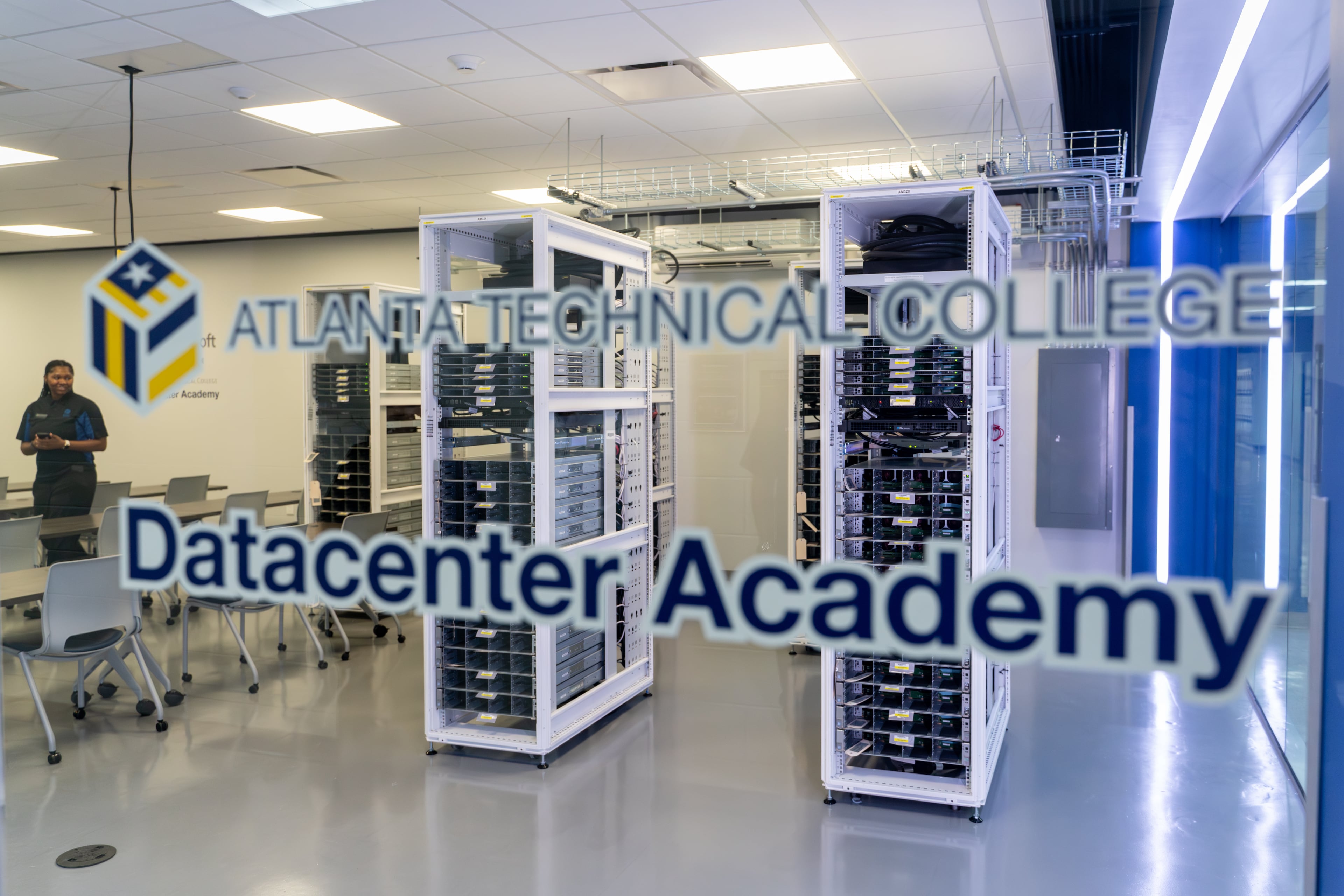
The article focuses on AI-driven job displacement and the growing need for retraining, highlighting rising concern that automation is eroding roles across industries. It cites 2024 tech-sector layoffs and notes that data center construction jobs are increasing, but many AI-related roles require new skills and training programs. Overall tone is cautious: the labor-market disruption is real, though training and community college programs are presented as a partial offset.
The market is likely overfocusing on the headline “AI destroys jobs” and underpricing the more investable second-order effect: the beneficiaries are the firms that monetize remediation, not the firms that merely deploy AI. That favors cloud, workflow software, cybersecurity, and vocational/training ecosystems over pure model vendors, because enterprises will need layered controls, retraining, and process redesign to capture productivity gains without breaking operations. In other words, the near-term spend cycle shifts from experimentation to implementation, which is usually a larger and stickier budget pool.
For MSFT and META, the labor-displacement narrative is a mild negative, but the larger issue is pacing of ROI. If AI adoption is forcing companies to retrain workers rather than replace them cleanly, the payback period on enterprise AI spend stretches out, which can slow seat expansion and capex conversion into revenue over the next 2-4 quarters. That’s not a thesis break, but it does argue for multiple compression if investors continue to capitalize AI like a frictionless cost-cutting story.
GS is more interesting as a second-order hedge than a direct beneficiary. If labor churn rises while AI changes the mix of jobs, corporate M&A, restructuring, and financing demand can improve, but the offset is weaker labor markets and lower consumer confidence, which usually show up later in deal appetite and fee pools. The bigger risk to the group is a policy response: if retraining becomes a political priority, subsidy dollars and procurement can get redirected toward incumbents with public-sector relationships, lengthening the runway for systems integrators and certification vendors while pressuring pure-play software multiples.
The contrarian view is that the job-loss narrative may be early relative to actual earnings damage. Firms tend to freeze hiring, reclassify roles, and stretch existing staff before they cut meaningfully, so the economic signal often lags the equity story by 6-12 months. That means the tradeable setup is less about immediate fundamental deterioration and more about a rotation into “picks-and-shovels of adaptation,” especially if investors have crowded into the largest AI beneficiaries.
AI-powered research, real-time alerts, and portfolio analytics for institutional investors.
Request DemoOverall Sentiment
mildly negative
Sentiment Score
-0.25
Ticker Sentiment
