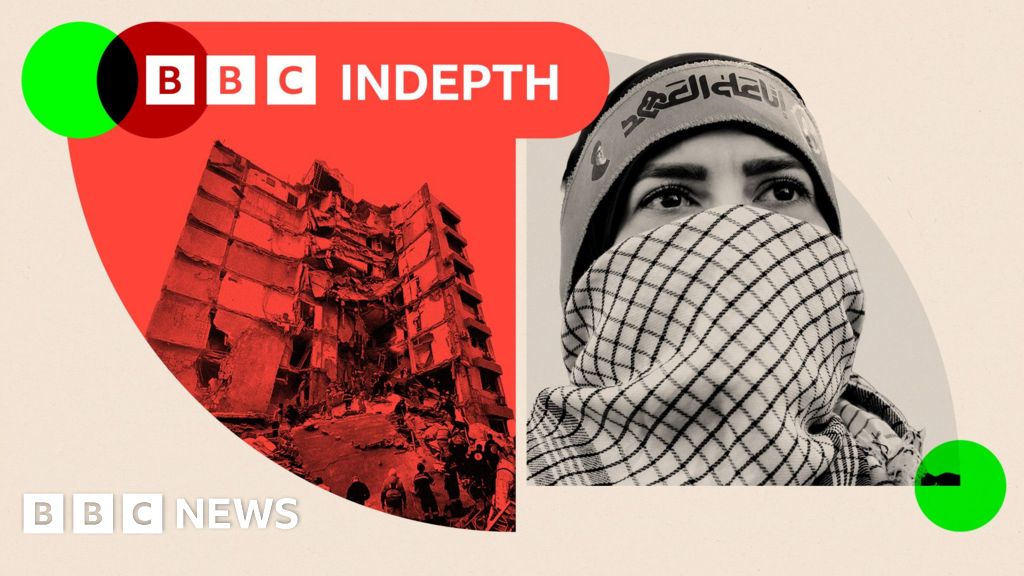
Lebanon’s war with Israel has escalated again, with more than 2,000 people killed in the six-week conflict and over 1.2 million displaced, according to Lebanon’s health ministry. The article highlights failed efforts to secure Hezbollah’s disarmament, renewed Israeli airstrikes, and talks between Lebanon and Israel that begin with little leverage and high risk of further violence. The situation raises the odds of prolonged instability, territorial occupation concerns in southern Lebanon, and broader regional spillover.
The market-relevant takeaway is not just “more war,” but a widening gap between political theater and coercive capacity. Lebanon’s state cannot credibly deliver disarmament, which means any diplomatic process is unlikely to produce a durable security settlement; that shifts the base case from resolution to managed deterioration. In practice, this keeps a non-zero probability of renewed escalation embedded for months, not days, and makes any ceasefire-dependent asset repricing vulnerable to sudden reversals. The second-order effect is on the regional risk premium: Israel’s insistence on buffer arrangements and Lebanon’s inability to police its south creates a quasi-frozen front that can persist even if headline hostilities ebb. That is bearish for Lebanese sovereign risk, FX stabilization, bank recapitalization timelines, and reconstruction-linked contracts, because capital formation does not start when physical security is unresolved. It also increases the chance that external patrons become the real decision-makers, which usually lengthens the conflict horizon and reduces the value of local negotiations. The contrarian view is that the most reflexive short in the region may be the least rewarding if investors are already heavily positioned for perpetual escalation. Hezbollah’s degraded but not defeated posture means the tail risk is asymmetric: localized calm can still emerge without strategic settlement, allowing tactical rallies in risk assets tied to any ceasefire headlines. But those rallies should be sold into, because the mechanism that keeps the conflict alive — a militia embedded in society and backed by an external sponsor — is structurally harder to unwind than the market typically prices. For defensives, the key is that persistent instability can redirect procurement and spending toward border security, ISR, drones, air defense, and munitions, while punishing EM reconstruction stories. The most important timing variable is whether the next 2-6 weeks produce a diplomatic pause or a visible expansion of the buffer-zone logic; the latter would likely trigger another leg higher in regional risk aversion and another leg down in anything tied to Lebanese normalization or rebuild expectations.
AI-powered research, real-time alerts, and portfolio analytics for institutional investors.
Request DemoOverall Sentiment
strongly negative
Sentiment Score
-0.82
