

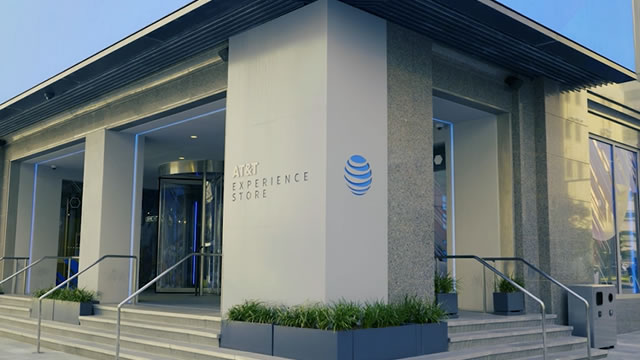
AT&T shares are down ~30% on concerns about Starlink’s direct-to-consumer mobile plans, but the article argues the sell-off is overdone. It highlights Starlink’s long-term spectrum and technology potential while stressing near-term operational and regulatory hurdles. AT&T’s value case is supported by spectrum purchases and an anticipated ~$45B in shareholder returns via buybacks, implying satellite competition may be less disruptive than feared.
The market is pricing a technology headline as if it were an earnings event. In reality, carrier equity value is driven by churn, ARPU, and capex intensity, and direct-to-device satellite tends to start as a low-bandwidth complement rather than a full substitute for terrestrial LTE/5G. That means the immediate damage is mostly sentiment and multiple compression, not a step-change in revenue erosion for T.
The more interesting second-order effect is that carrier spectrum becomes more valuable, not less, if satellite access remains constrained by physics, handset integration, and regulatory approvals. If Starlink is forced into wholesale partnerships, T and peers can still capture a take-rate on connectivity rather than lose the customer outright; the real losers would be speculative satellite proxies and rural connectivity names that need a rapid consumer rollout to justify valuation. The first area to monitor is low-density rural ARPU and enterprise IoT, but that is a 6-18 month issue, not a next-quarter one.
Near term, the catalyst stack is earnings guidance, capex commentary, and any signaling that carriers must spend more to defend coverage. The thesis breaks if T shows rising churn, a capex step-up, or management backs away from buybacks to fund network defense. Contrarianly, the selloff may be only partially overdone: the market could be right that satellite is a real medium-term competitive constraint, but wrong to discount T's cash returns and spectrum scarcity premium so aggressively today.
AI-powered research, real-time alerts, and portfolio analytics for institutional investors.
Overall Sentiment
mildly positive
Sentiment Score
0.25
Ticker Sentiment
