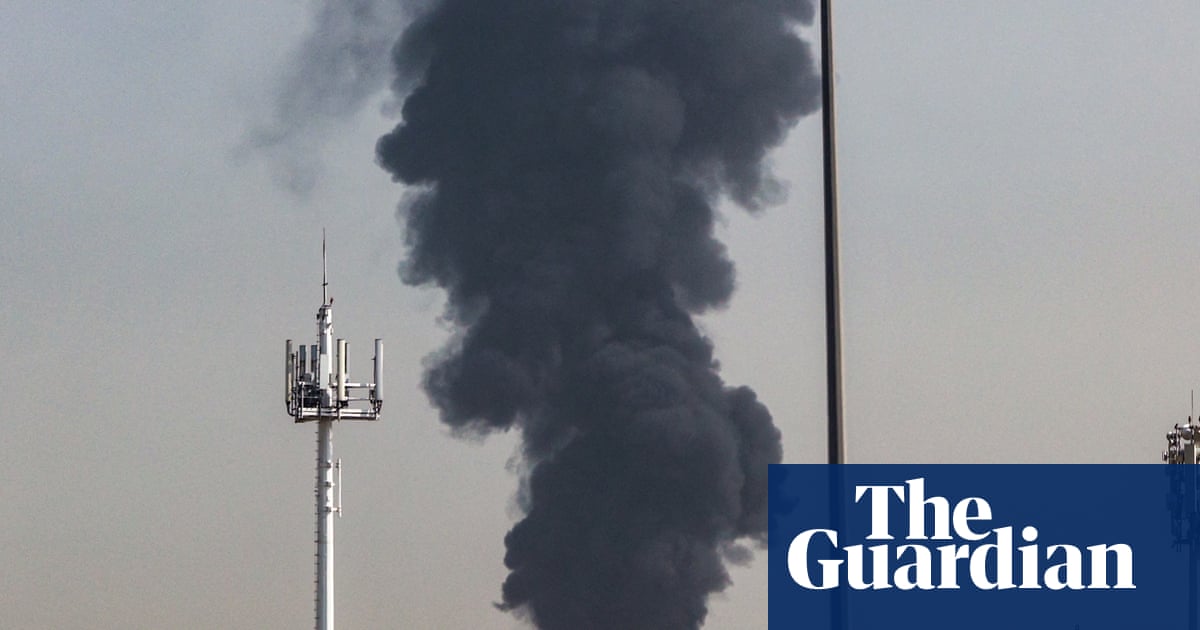
16 merchant ships have been attacked in the Gulf, prompting President Trump to call for multinational naval escorts through the Strait of Hormuz. An effective escort would need roughly 8–10 destroyers to protect 5–10 vessels (only about 10% of prewar shipping volume), while allied participation is limited (Japan awaiting formal request, China non-responsive, France committed to eastern Mediterranean only). The shortfall in allied naval readiness and Iran’s asymmetric threats (sea drones, speedboats, mines) elevate downside risk to tanker transits, likely increasing shipping insurance and putting upward pressure on oil prices and regional supply-chain costs.
There is a durable market mechanism forming around transit risk rather than a short-lived headline shock. Freight owners will price in persistent asymmetric-attack risk (sea drones, mines, small-boat harassment) until either allied convoy capability or reliable counter-UAS/ASV doctrine is proven; expect spot tanker time-charter (TC) volatility to be 2-3x above winter baselines for multiple quarters, not days. Insurance and reinsurance markets will harden structurally: higher premiums will flow through to charterers and cargo owners within 30–90 days, creating a multi-month cost pass-through into freight rates and final goods prices.
Second-order supply-chain effects will amplify commodity and logistics dislocations. Rerouting around the Cape or longer Suez/Canal delays add measurable voyage days (roughly +7–12 days for many Asia–Europe and Middle East routes), incrementally increasing bunker demand and lifting crude differentials—Brent should carry a persistent risk premium versus inland markers until transit security normalizes. Container lines and just-in-time manufacturers face extended lead times and inventory rebalancing costs, which raises the probability of inventory-driven order restarts or price pass-through over the next 1–3 quarters.
Key catalysts and tail risks are asymmetric in time and magnitude. Days–weeks: insurance exclusions, convoy announcements, and initial allied participation will swing freight sentiment; months: deployment of dedicated escort task forces or proven counter-drone measures could erase much of the premium. Tail events such as coordinated mine-laying or a temporary chokepoint blockade could produce a step-function shock (think +$15–$40/bbl equivalent market move for oil-risk premia) and systemic shipping paralysis, so position sizing must reflect fat-tail exposure.
Given this dynamic, convexity trades that capture rising freight/insurance revenue while capping downside are preferred. Focus on liquid tanker owners and marine-insurance brokers for asymmetric upside, pair trades that long energy-transport capture and short the broader container/logistics exposure, and small, options-defined exposures to Brent forward premia to play persistent transit-risk pricing without open-ended downside.
AI-powered research, real-time alerts, and portfolio analytics for institutional investors.
Request DemoOverall Sentiment
strongly negative
Sentiment Score
-0.60
