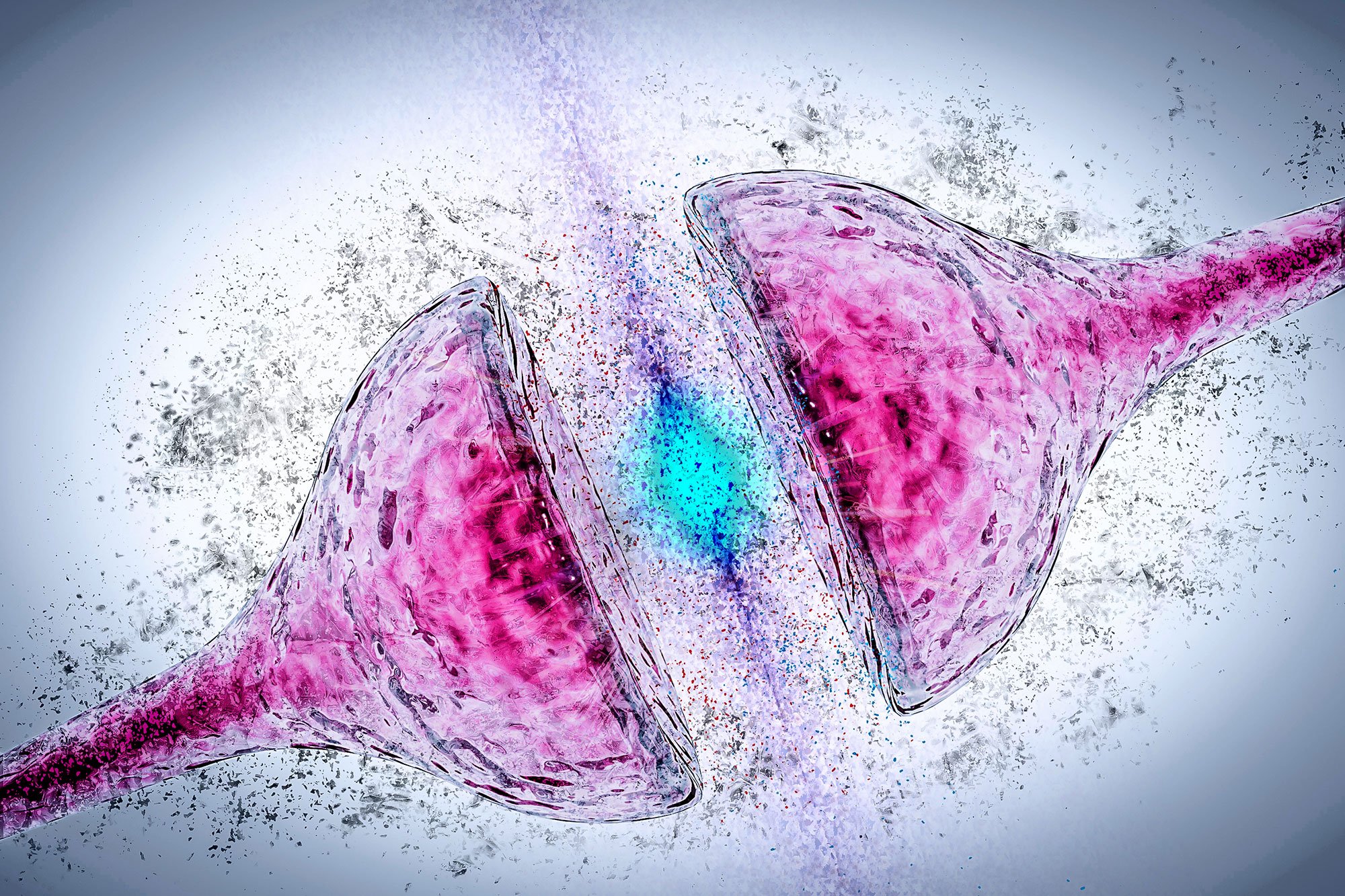
Baylor researchers reported that boosting Sox9 in Alzheimer’s mouse models increased astrocyte-driven amyloid plaque clearance and preserved cognitive function for over 6 months. The study, published in Nature Neuroscience, suggests a new therapeutic angle focused on enhancing the brain’s own cleanup mechanisms rather than only blocking plaque formation. Results are preclinical and not yet validated in humans, so the near-term market impact is limited.
The investable takeaway is not a near-term Alzheimer’s read-through, but a broader repricing of neurodegeneration as a cell-therapy and gene-regulation problem rather than a pure amyloid-blocking problem. That shifts attention toward platforms that can deliver durable CNS target modulation in glia, not just neuron-centric antibodies; the second-order winner set is likely toolkits around AAV delivery, CNS promoters, and biomarker companies that can prove astrocyte engagement. If this mechanism translates, it also expands the commercial runway for combination regimens, because plaque clearance alone may need to be paired with inflammation control and synaptic rescue to matter clinically.
The biggest hidden bullish implication is for companies with existing CNS delivery capabilities or ex vivo/in vivo gene control infrastructure: the bottleneck is no longer target validity, it’s reaching astrocytes safely and reproducibly. That favors platform names over single-asset AD biotechs, especially those with repeat dosing or region-specific expression advantages. Conversely, legacy amyloid-only approaches face a more crowded standard-of-care debate if a superior upstream maintenance mechanism emerges, even if that readout is still years away.
Near term, the market should not overreact: mouse data in an already-impaired model is supportive but still far from human translatability, and CNS gene regulation brings obvious safety risk if astrocyte activation overshoots into excitotoxicity or gliosis. The catalyst stack is 12-24 months, not days: follow-on mechanistic validation, human tissue expression work, and early translational biomarker readouts. The contrarian view is that the opportunity may be underweighted because investors dismiss glial biology; if so, the risk/reward is better in enabling infrastructure than in headline Alzheimer’s drug developers.
AI-powered research, real-time alerts, and portfolio analytics for institutional investors.
Request DemoOverall Sentiment
moderately positive
Sentiment Score
0.55
