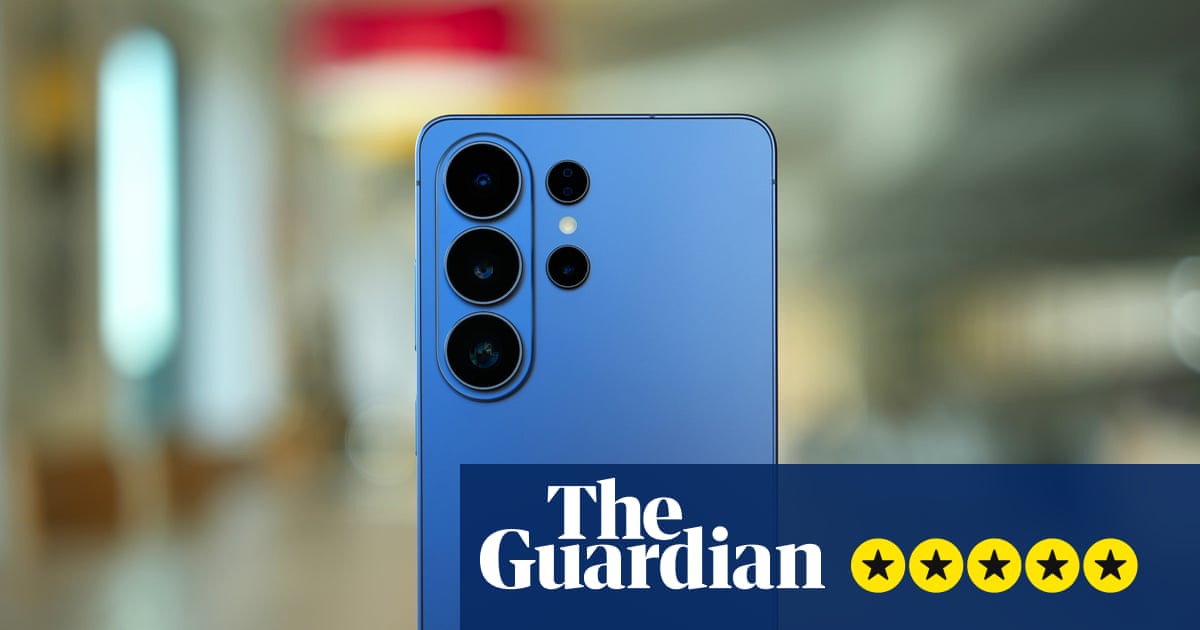
Samsung launched the Galaxy S26 Ultra at £1,279 with a 6.9in QHD+ display that includes a first-of-its-kind built-in privacy viewing mode and guaranteed software updates until 28 Feb 2033 (~7 years); battery life is ~2 days with active use. Hardware specs are flagship-grade (Snapdragon 8 Elite Gen 5, 12/16GB RAM, up to 1TB storage) and a quad-camera array led by a 200MP main and upgraded 5x telephoto; screen repairs cost £209 and the device contains 17.7% recycled content. The phone includes multiple AI integrations (three chatbots, 'Now Nudge') that are useful but mixed in execution, and the privacy display is the standout differentiator. For portfolios, this strengthens Samsung's premium product positioning and consumer appeal but is unlikely to drive material near-term share moves.
Samsung’s privacy-display move is a genuine product-level differentiator that creates an install-base lock for privacy-conscious enterprise and high-end consumers; it’s the sort of feature that forces competitors to either match in hardware or concede the segment. Expect downstream winners in display IP/licensing and a rapid squeeze of the removable-privacy-film aftermarket; other flagship OEMs will likely respond within 12–24 months, not months, because integration requires panel retooling and supply requalification.
Embedding Gemini and Perplexity on a major non-Google OEM is a low-signal-per-device but high-leverage distribution win for Alphabet: even a low-single-digit uplift in assistant-initiated queries across Samsung’s high-end users compounds into incremental ad and services revenue over 4–12 quarters. The tradeoff is execution and regulatory exposure — regulators that target default assistant placement would be the fastest way to blunt this upside.
Qualcomm captures the clearest immediate hardware upside via premium SoC content and custom silicon margins; a modest increase in ASP (~$10–$20 per unit) on 5–10M premium units translates into +$100–200m revenue per year, a tidy beat to expectations if sustained. Main risks that could reverse the thesis in the near-to-medium term are weaker-than-expected Galaxy demand (consumer downtrading), component supply hiccups, or a quick Apple counter which would compress the window of advantage; watch Samsung sell-through and Qualcomm guidance over the next two earnings cycles for confirmation.
AI-powered research, real-time alerts, and portfolio analytics for institutional investors.
Request DemoOverall Sentiment
moderately positive
Sentiment Score
0.35
Ticker Sentiment
