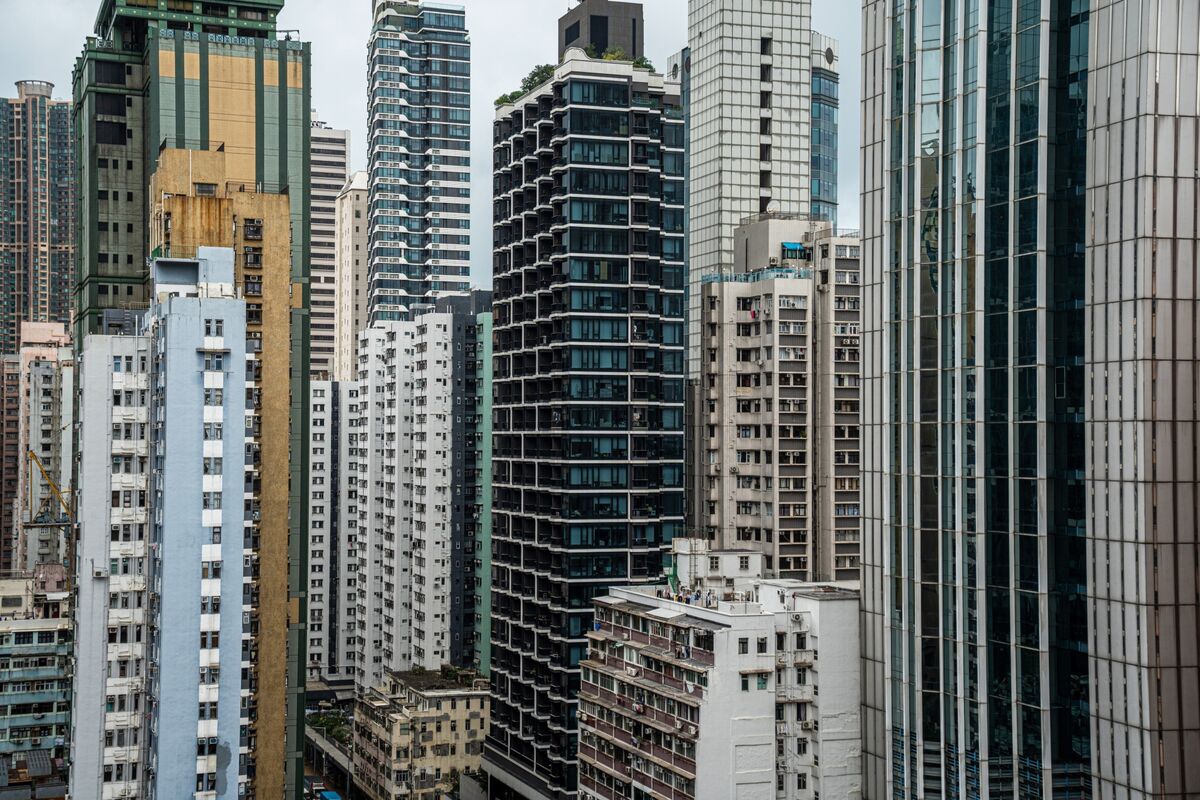
Hong Kong residential rents reached a record high as the government rental price index rose slightly in September to its highest level since records began in 1993 and held that level in October. The rise is attributed to sustained inflows of mainland Chinese immigrants under new visa programs, bolstering rental demand and partially offsetting a broader real-estate downturn—supporting landlords and reducing near-term downside risk for Hong Kong housing assets and related REITs.
Market structure: Record-high Hong Kong rents signal pricing power concentrated in residential landlords and mid-market landlords that own small/medium flats; expect outperformance for large, cash-generative landlords (e.g., Sun Hung Kai 0016.HK, Link REIT 0823.HK) over highly-levered mainland developers. Demand-driven rent inflation (visible now) can sustain NOI growth of ~3-6% annualized near-term if immigration continues, while headline transaction volumes for new sales may remain weak.
Risk assessment: Tail risks include a sudden reversal of mainland migration policy, an HK/PRC regulatory intervention (stamp duty, rent control) or US rate shock that derisks HKD peg — any of which could compress yields >200bp and wipe 20-40% off prices for leveraged names. Near-term (days–weeks) volatility likely around monthly immigration and mortgage-rate prints; medium term (3–12 months) depends on fiscal/tax measures; long term (1–3 years) hinges on structural housing supply and mainland integration.
Trade implications: Favor quality landlords and selective REIT exposure versus high-leverage developers. Implement 2–3% long positions in 0016.HK and 0823.HK with 6–12 month horizons; hedge macro with 1–2% short in 2007.HK (Country Garden) or 03333.HK (Evergrande) where available. Use defined-risk option structures (6-month call spreads on 0823.HK, 3-month puts on 2007.HK) to express views while limiting tail loss.
Contrarian angles: Consensus treats HK property uniformly weak; overlook is constrained supply of mid-sized rentals — a structural mismatch that can persist even if sales slump. Beware second-order effects: higher rents can depress retail consumption in lower-income segments, hurting mall-centric landlords (consider underweighting pure retail names). Monitor monthly rent index, visa issuance data, and any HK policy hearings within next 30–90 days as trade triggers.
AI-powered research, real-time alerts, and portfolio analytics for institutional investors.
Request DemoOverall Sentiment
mildly positive
Sentiment Score
0.35
