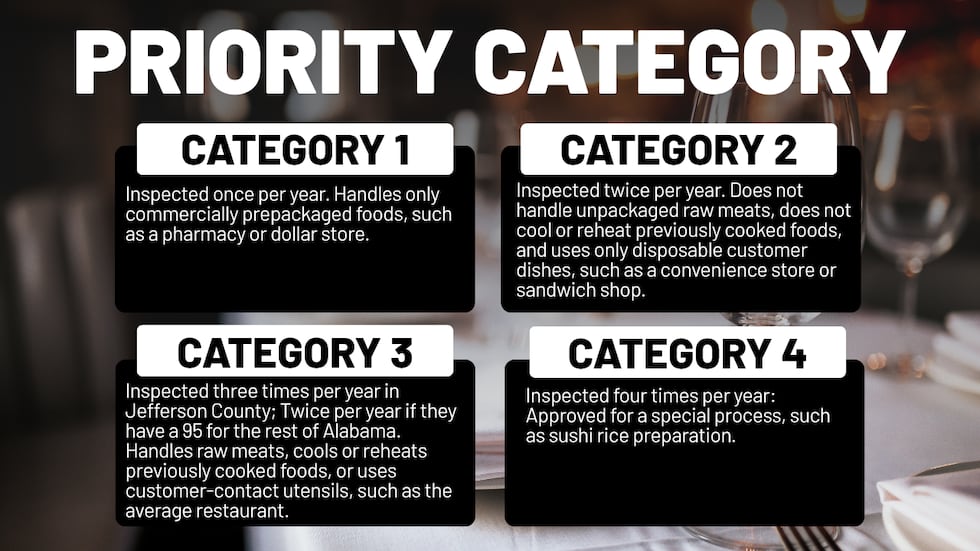
Jefferson County health inspections in April found 19 food establishments scoring 84 or lower and requiring follow-up, with the lowest score at 61. Violations included rodent infestations, unsafe food temperatures, sanitation issues, lack of hot water, and employee training lapses. The article is primarily a local compliance roundup, so the broader market impact is limited.
This is not a broad consumer-demand story; it is a micro-diagnostic on operating discipline at the lower end of the food-service and convenience ecosystem. The immediate winners are the national chains with tight back-office controls and scale economics in procurement, training, and audit remediation — exactly the kind of process advantage that becomes visible when local independents are penalized for sanitation, temperature, and record-keeping failures. For the listed names, the read-through is slightly negative for DG/DLTR/WMT/TGT only insofar as small-format food adjacencies can be a reputational or compliance burden, but the more meaningful dynamic is that these incidents validate the value proposition of their more standardized assortment and private-label cold-chain execution.
The second-order effect is attrition at marginal operators: if inspections tighten or local media attention persists, the cost of compliance rises fastest for smaller venues and franchisees with weak labor retention. That creates a modest share shift toward larger-format grocers and convenience chains that can absorb training, refrigeration maintenance, and documentation overhead without impairing margins. The risk window is months, not days: one bad local report doesn’t move national comps, but repeated health-score issues can accelerate closures, remodels, or franchisor intervention, especially in value channels where a single failed reinspection can trigger temporary shutdowns.
The contrarian view is that the market may be overestimating any near-term earnings impact on big-box and dollar names. These violations are usually idiosyncratic and localized; unless regulators broaden enforcement or there is a consumer backlash event, the direct P&L impact is de minimis. The real opportunity is not shorting the exposed retailers, but using the episode as a confirmation signal that disciplined operators should keep taking share from undisciplined local food-service competitors over the next 6-12 months.
AI-powered research, real-time alerts, and portfolio analytics for institutional investors.
Request DemoOverall Sentiment
mildly negative
Sentiment Score
-0.35
Ticker Sentiment
