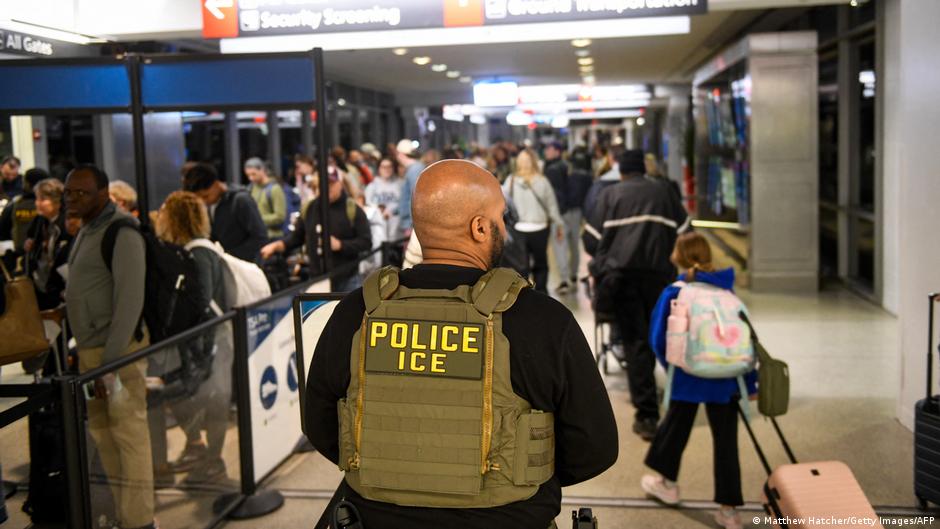
The Trump administration is considering halting immigration and customs processing at airports in Democratic-run sanctuary cities, a move that could disrupt international passenger and cargo arrivals. Airlines, tourism groups, and even some administration officials warn the policy could cause severe operational disruptions and damage travel demand ahead of the FIFA World Cup in June. The proposal is not finalized, but it poses a meaningful downside risk to airlines, airports, tourism, and cross-border logistics.
The market should treat this less as a headline about immigration and more as a temporary capacity shock to the US travel system. International arrivals are high-margin traffic for hubs, so even a partial processing freeze would hit airport concession revenue, hotel ADRs, ride-share volume, and cargo throughput before it shows up in headline GDP. The second-order effect is that disruption concentrates into a handful of gateway metros, which means local economic pain could be sharp enough to force rapid legal and political pushback. The most immediate beneficiaries are not obvious airlines; they are places and assets that gain from displacement rather than new demand. Secondary airports outside the targeted metros, domestic leisure carriers, and regional hotel markets in Florida, Texas, Arizona, and the Southeast could capture rerouted international and domestic traffic if travelers rebook around the bottleneck. Cargo is the bigger hidden risk: even a short-lived slowdown in customs processing can create inventory timing issues for retailers and industrial importers, which tends to surface first in express logistics and airfreight margins. Catalyst timing matters. In the next 1-4 weeks, the trade is headline volatility and legal injunction risk; over 1-3 months, the key variable is whether the administration backs away once World Cup-related and business-travel pressure intensify. The most asymmetric downside is if markets conclude this is a precedent for politically selective infrastructure use, which would raise the risk premium for transport and trade assets beyond this specific episode. Consensus may be underestimating how much this could backfire economically and politically. If the policy is merely threatened but not implemented, the move still creates a chilling effect on inbound bookings and corporate travel planning, especially for summer and early fall conventions. That makes the setup less about a binary implementation and more about a window of elevated uncertainty that can depress forward bookings even if the order never fully lands.
AI-powered research, real-time alerts, and portfolio analytics for institutional investors.
Request DemoOverall Sentiment
moderately negative
Sentiment Score
-0.45
