
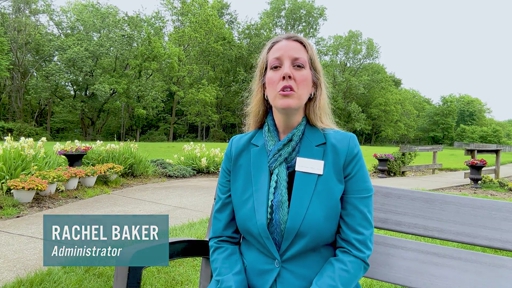
The article provides a practical checklist for families on when home care may no longer be sufficient, citing mobility issues (increased fall risk), medication-management difficulty, post-hospital recovery needs, wound-care requirements, and cognitive changes. It emphasizes that skilled nursing typically becomes necessary when multiple care factors accumulate and caregiver strain rises, with expert guidance from Rachel Baker at Meadow Wind Health Care Center. No financial figures or company-specific events are reported, so market impact is minimal.
This reads as a triage/education piece, not a demand catalyst. The important market mechanism is that care transitions are triggered by clinical deterioration and discharge decisions, so media-driven awareness rarely changes utilization, reimbursement, or pricing power on a meaningful timeline. For CRMT specifically, there is no direct fundamental linkage; treating this as investable would be a category error.
If there is any second-order read-through, it is a very slow funnel benefit to skilled nursing/post-acute operators with rehab, wound care, and medication-management capability, while private-duty home care and remote-monitoring vendors face mild substitution pressure. But that substitution is bottlenecked by payer approval, family budgets, and facility capacity, so any effect would show up over months to years, not in the next few sessions.
The contrarian miss is that most families delay institutional care until an acute event forces the move, which means awareness articles tend to confirm behavior rather than change it. The real variables to watch are occupancy, labor costs, and Medicare/Medicaid mix at operators like OHI and VTR, plus discharge volumes and MA denial rates. Absent hard data there, there is no high-conviction trade here.
AI-powered research, real-time alerts, and portfolio analytics for institutional investors.
Request TrialOverall Sentiment
neutral
Sentiment Score
0.05
Ticker Sentiment
