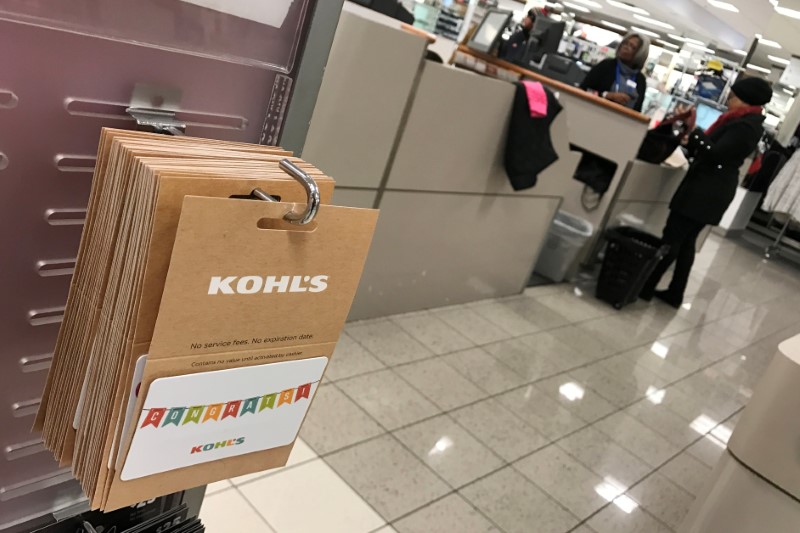
Kohl’s shares jumped more than 23% after the retailer reported a smaller-than-expected Q1 loss and reaffirmed fiscal 2026 guidance. For the quarter ended May 2, net sales fell 1.7% to $3.0 billion and comparable sales declined 1.1%, but the net loss was just $14 million, or $0.13 per share, better than the $0.21 loss expected. The company maintained its full-year outlook for net sales and comparable sales between a 2% decline and flat, and kept adjusted EPS guidance at $1.00 to $1.60 while declaring a $0.125 quarterly dividend.
KSS is less about one clean earnings beat and more about evidence that the base-rate of the business may have shifted from structural decline to a slow normalization regime. The key second-order effect is inventory discipline: if management can sustain tighter buys and mix toward basics/accessories, gross margin can stabilize even with low-single-digit sales compression, which matters more for equity value than headline comp growth. That also reduces the odds of a future cash-flow shock, making the dividend more credible as a capital allocation signal rather than a distress artifact.
The market is likely underestimating how much of KSS’s move can persist if the company is simply less bad than feared into the next 2-3 quarters. Department-store turnarounds usually fail on execution drift, but the combination of cleaner inventory and better attachment categories can produce a valuation re-rate before top-line growth turns positive. The risk is that any macro soft patch in discretionary spending will show up first in traffic and basket size, and KSS has limited ability to offset that with pricing power.
AMZN’s takeaway is more subtle: a healthier Kohl’s is mildly negative for Amazon at the margin because it reduces the probability that off-price and legacy retail weakness keeps pushing even more share online. But the bigger impact is on competitive intensity across mid-tier apparel and home: if Kohl’s can defend share with curated basics and loyalty traffic, vendors may face less forced markdown pressure, which can support broader category margins. That said, this is a local improvement, not a thesis changer — Amazon’s scale and fulfillment advantage still dominate, so any short AMZN reaction should be tactical rather than structural.
The contrarian view is that the stock move may already discount too much optimism around a multi-year recovery that is still highly levered to consumer health. The better framing is not 'Kohl’s is fixed,' but 'the downside tail has narrowed.' If that’s correct, the equity can keep grinding higher on incremental proof, while the best short setup is any retailer still exposed to weak discretionary demand and high inventory risk, not AMZN itself.
AI-powered research, real-time alerts, and portfolio analytics for institutional investors.
Request DemoOverall Sentiment
mildly positive
Sentiment Score
0.35
Ticker Sentiment
