

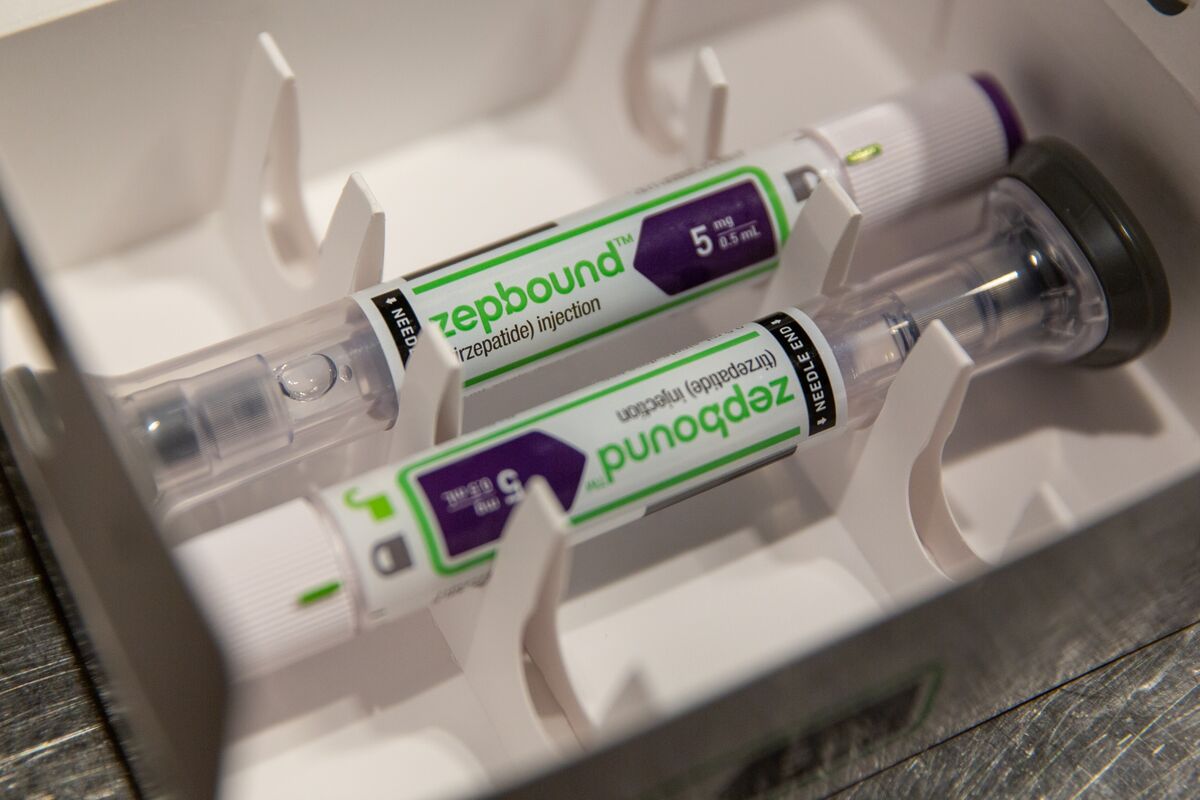
More than 10 million US patients will regain insurance access to Eli Lilly’s Zepbound after CVS Health reversed restrictions on the obesity drug. The change followed Lilly’s decision to cut the price it charges many health plans, reversing CVS Caremark’s July preference for Novo Nordisk’s Wegovy. The update is favorable for Zepbound uptake and could modestly improve Lilly’s access to insured demand.
The key signal is not the pricing concession itself, but that pharmacy-benefit managers can no longer use exclusionary formulary leverage as cleanly in the GLP-1 category. That raises the odds of a slower, more normalized pricing cascade across obesity drugs, which should expand utilization but compress unit economics for whoever is still trying to defend premium net pricing. CVS is likely to see better client retention and lower churn risk in its benefit-management franchise, while the competitive damage falls disproportionately on the company that was previously enjoying preferred access through the rebate structure.
For Lilly, the near-term tradeoff is margin for volume: this should improve access and refill persistence, but the bigger second-order effect is that it reduces the chance of losing share in employer and insurer accounts that were price-sensitive but operationally constrained. The real loser may be the notion that formulary exclusivity can meaningfully gate demand in a category with visible consumer pull; once patients and prescribers perceive access as administratively unstable, switching accelerates, and that tends to favor the manufacturer willing to trade price for frictionless coverage.
The important risk is that this becomes a precedent for broader price concessions, not just a one-off settlement. Over the next 1-3 quarters, plan sponsors may use this as evidence that net pricing had been too wide, pressuring both Lilly and Novo in renewal cycles; if that happens, the stock reaction can be more muted for CVS than the headline suggests, because PBM economics improve when gross-to-net spreads narrow even if per-script economics soften. The contrarian view is that the market may be underestimating how much demand is still being suppressed by administrative barriers; removing them can produce a utilization step-up large enough to offset part of the price cut.
NVO faces the cleanest incremental pressure because its relative formulary advantage just weakened, but the broader category outcome is a race to defend access rather than a winner-take-all switch. If the market extrapolates this to mean the obesity segment is entering a more elastic, more competitive pricing phase, the right lens is not just earnings per share but share of covered lives over the next two renewal seasons.
AI-powered research, real-time alerts, and portfolio analytics for institutional investors.
Request TrialOverall Sentiment
mildly positive
Sentiment Score
0.35
Ticker Sentiment
