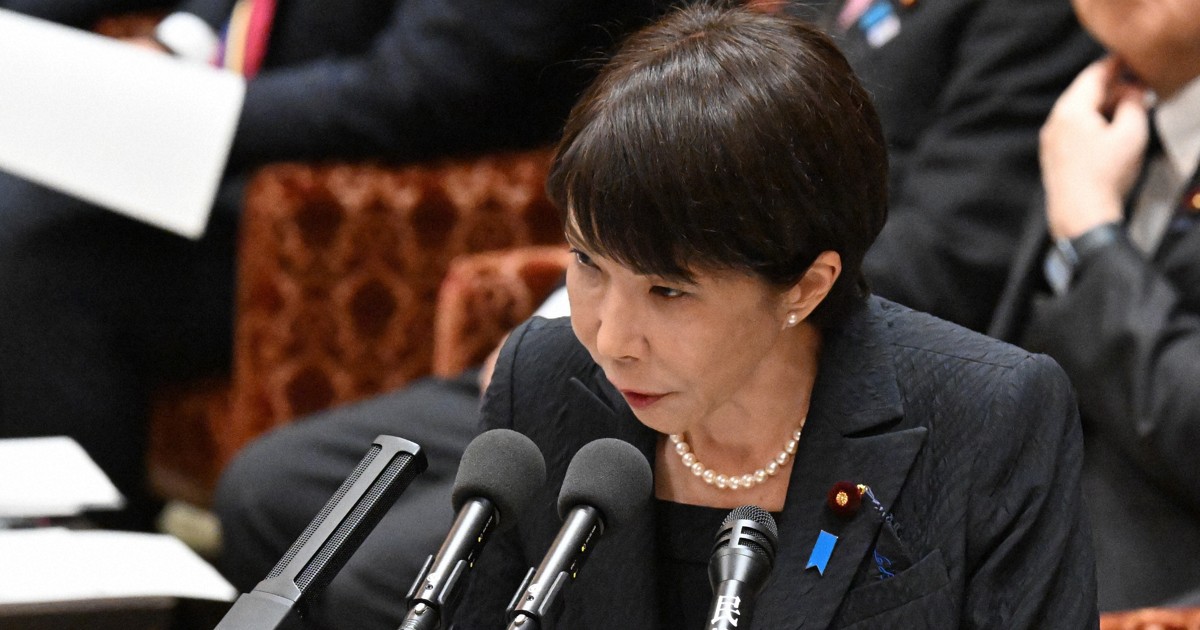
Japanese Prime Minister Sanae Takaichi told the Diet on March 2 that Japan currently holds 254 days' worth of oil reserves as the Strait of Hormuz is effectively closed amid escalating Middle East tensions; some crude tankers bound for Japan are on standby in the Persian Gulf and the government says crew safety is secured. The announcement signals a policy emphasis on securing energy supply and minimizing economic disruption, but the shipping disruption and regional escalation present upside risk to oil prices and potential supply-chain stress that investors should monitor.
Market structure: A Strait of Hormuz disruption is bullish for crude and freight-insurance-sensitive sectors but Japan's 254 days of reserves (~8.5 months) materially mutes immediate Japanese import demand; expect a near-term oil price spike (5–15%) driven by risk premium and tanker rerouting costs rather than immediate physical draws. Winners: global upstream majors (XOM, CVX), LNG exporters (LNG), marine insurers and re-insurers; losers: Asian refiners/transport-intensive manufacturers and import-reliant currencies (JPY pressure if shock persists >1 month). Cross-asset: commodity vols rise, implied vols for oil equities up, JPY likely weakens vs USD if energy bill shock lasts, core yields may tick up on inflation risk while DM safe-havens (USD, UST) see mixed flows.
Risk assessment: Tail risk is an extended (>90 days) closure causing Brent >$150/bbl and global recession risk; low-probability but high-impact probabilities increase with each maritime attack. Time horizons: days — volatility/trading opportunities; weeks — physical logistics & insurance repricing; quarters — structural capex shifts into LNG/renewables. Hidden deps: SPR releases, tanker insurance re-pricing, chokepoint diversion capacity, and countermeasures by navies. Catalysts: tanker attacks, US/G7 SPR releases, diplomatic breakthroughs, or shut-ins by major Gulf producers.
Trade implications: Tactical wins favor short-dated volatility plays and selective upstream exposure rather than long-only commodities. Use 1–3 month option plays to capture spikes; moderate-size equity exposure to cash-flow resilient majors for 3–12 months. Pair trades: favor US majors over Asian refiners; add small LNG exposure if Asian spot LNG premiums widen >$5/MMBtu for two consecutive weeks. Exit triggers: SPR release or Brent reversion >15% from spike.
Contrarian angles: Consensus may overprice sustained disruption — Japan's 254-day buffer caps immediate Japanese demand pull, so multi-month structural rallies are not guaranteed unless closure >60–90 days. Historical parallels (2019 tanker incidents) produced short, sharp price spikes then mean reversion; markets could be overdone by >20% in options-implied moves. Unintended consequence: persistent disruption accelerates investments into LNG terminals, storage, and renewables — identify long-term beneficiaries before prices embed that shift.
AI-powered research, real-time alerts, and portfolio analytics for institutional investors.
Request TrialOverall Sentiment
mildly negative
Sentiment Score
-0.30
