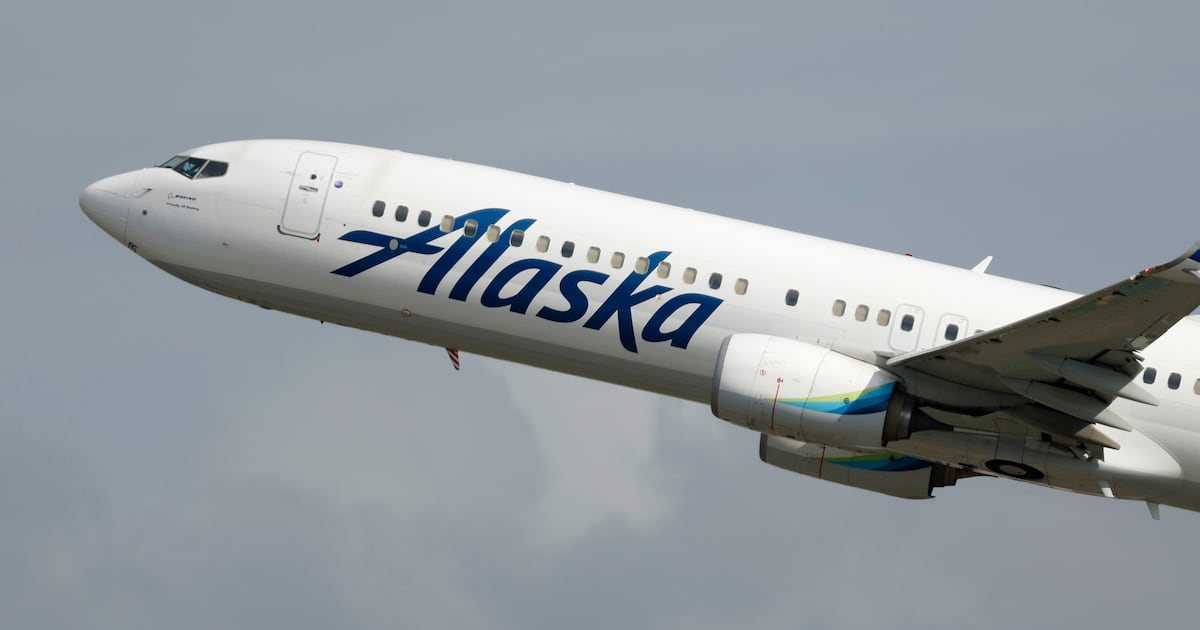
An Alaska Airlines Boeing 737 performed a go-around to avoid a FedEx Boeing 777 at Newark after both were cleared onto intersecting runways, passing within 300–325 feet. The FAA and NTSB have opened investigations; Alaska called the go-around a routine maneuver and FedEx reported a safe landing. This is the second notable runway incident at Newark in two weeks, increasing regulatory and reputational risk for carriers and airport operations.
This incident is a near-term catalyst for operational tightening at congested hubs rather than a structural safety failure; expect FAA/airport managers to favor conservative separation and additional go-arounds during the investigation window (days–weeks), which degrades slot throughput and increases unit costs for high-frequency operators. For integrators like FDX the immediate P&L channel is higher turn-time and less predictable arrival windows—these have outsized effect on hub-and-spoke overnight networks because a single delayed widebody can propagate delay costs across dozens of shipments the next day.
Regulatory and legal channels create medium-term (months–18 months) second-order winners: vendors of ground surveillance, runway incursion mitigation, and ATC staffing/technology see accelerated procurement cycles if FAA guidance tightens or if airports fund upgrades to regain capacity. Boeing will pick up reputational noise because equipment is visible in headlines, but absent a product safety finding the financial impact to BA is likely concentrated in PR and aftermarket negotiation leverage rather than lost airframe orders; conversely, insurers and carriers will reprice operational risk into contracts and insurance premiums.
Consensus sentiment will likely over-index to headline risk on FDX; that creates an asymmetric window to trade idiosyncratic sentiment shock rather than fundamentals. If investigations extend or if Newark imposes temporary flow restrictions, expect 1–3 month volatility spikes for FDX and regional passenger carriers, while names tied to airport infrastructure procurement should see a more durable bid over 6–18 months.
AI-powered research, real-time alerts, and portfolio analytics for institutional investors.
Overall Sentiment
mildly negative
Sentiment Score
-0.20
Ticker Sentiment
