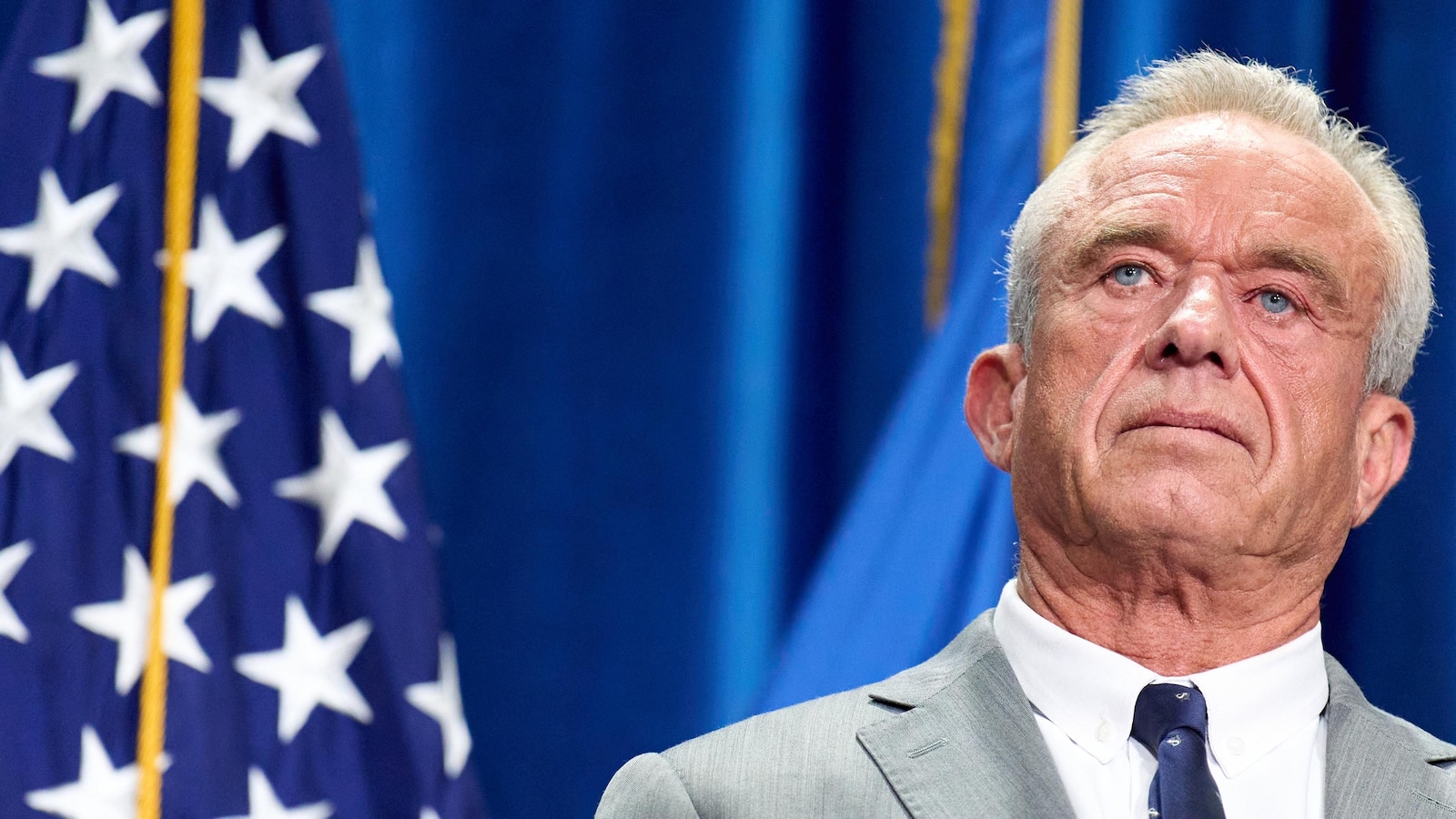
Five Democratic-led states (California, Colorado, Minnesota, Illinois and New York) sued the Trump administration in the Southern District of New York after HHS informed them it was freezing billions in federal funds — roughly $10 billion targeted across three programs: the Child Care and Development Fund, Temporary Assistance for Needy Families, and the Social Services Block Grant. New York AG Letitia James and California AG Rob Bonta say the administration is unlawfully withholding funds already approved by Congress and demanded voluminous state data (including names and Social Security numbers) within 14 days; HHS cited a belief that benefits were provided to people in the U.S. illegally. The case creates legal and operational risk for state social-service providers and childcare programs (California accounts for about half the targeted funding) and could produce budgetary uncertainty for state fiscal planning depending on whether the court orders funds released or allows a prolonged freeze.
Market structure: The immediate shock is fiscal-flow risk for five states—~$10B total at stake (roughly $5B to CA) —which creates acute short-term liquidity pressure for state social-service payees and increases demand for short-term borrowing (BANs/Treasury cash). Expect municipal short-term yields for CA/NY/IL to widen versus comparable Treasuries by ~10–25 bps within days if funds remain frozen; service providers and payroll-sensitive vendors see cash-flow strain while vendors offering auditing/compliance tech gain negotiating power.
Risk assessment: Tail risks include (1) an expanded freeze to more states or programs (low prob, high impact) that could widen muni spreads 50–100 bps and force emergency liquidity measures, and (2) a quick court reversal that restores funds and squeezes shorts. Time horizons: immediate (days) = muni funding stress and deposit volatility for regional institutions; short-term (weeks–months) = legal resolution and rehypothecation of funds; long-term (quarters+) = politicization of federal-state flows and higher compliance spending by states.
Trade implications: Direct plays are defensive cash/short-duration Treasuries and selective long exposure to state IT/compliance contractors. Relative-value: short long-duration, state-concentrated muni exposure vs. long 1–3M T-bills. Volatility trade: buy protection (puts) on childcare-exposed operators if collections/receivables are at risk; add opportunistic long munis if court restores funds quickly (mean-reversion alpha).
Contrarian angle: Consensus focuses on politics; markets underprice operational winners (state IT, identity/data redaction services) and overprice permanent credit impairment in large state GOs. If the court rules to restore funds within 30–60 days, CA/NY muni dislocations likely overdone and will mean-revert 15–40% of spread widening; conversely, protracted freezes would create attractive entry points in high-quality, short-duration municipal paper.
AI-powered research, real-time alerts, and portfolio analytics for institutional investors.
Request DemoOverall Sentiment
moderately negative
Sentiment Score
-0.30
