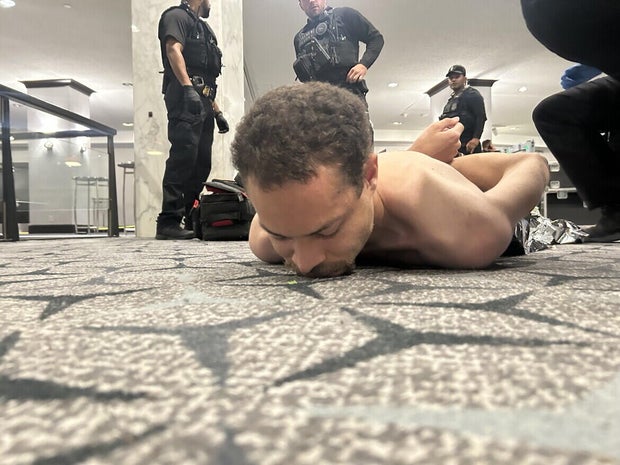
A shooting at the White House Correspondents' Dinner forced President Trump and senior officials to be evacuated, with one Secret Service agent struck but protected by a bulletproof vest and the suspect taken into custody. Authorities say the suspect, identified as 31-year-old Cole Allen of Torrance, California, allegedly carried multiple weapons and is expected to face federal charges. The event underscores elevated political-violence risk, but immediate market impact should be limited.
This is less a single-event market story than a pressure test of the domestic security complex. The immediate beneficiaries are the names that monetize threat escalation: private perimeter-security integrators, physical access-control vendors, and federal cyber/physical hardening contractors. The second-order effect is budget reallocation toward visible, rapid-deploy solutions rather than long-cycle procurement, which tends to favor primes with existing DHS/DoD frameworks and smaller niche vendors with products that can be fielded inside a quarter.
The bigger medium-term read-through is political-risk normalization. If this event becomes part of a broader narrative of rising domestic instability, expect higher odds of supplemental appropriations for protective services, venue hardening, and event-security upgrades over the next 1–3 budget cycles. That would be a tailwind for industrials with security exposure, but a headwind for hospitality/meeting venues and some event-service contractors as insured-party costs and security compliance burden rise.
The market is likely to overreact in the first 24–72 hours by bidding generic “defense” names, but the cleanest exposure is actually not traditional weapons primes; it is infrastructure-security and identity/access names that benefit from broader institutional hardening. Conversely, the overhang on political event attendance and large indoor gatherings should be temporary unless copycat threats emerge within weeks. The key reversal signal would be a fast bipartisan de-escalation narrative and no follow-on incidents within 2–4 weeks, which would unwind the risk premium quickly.
AI-powered research, real-time alerts, and portfolio analytics for institutional investors.
Request DemoOverall Sentiment
strongly negative
Sentiment Score
-0.65
