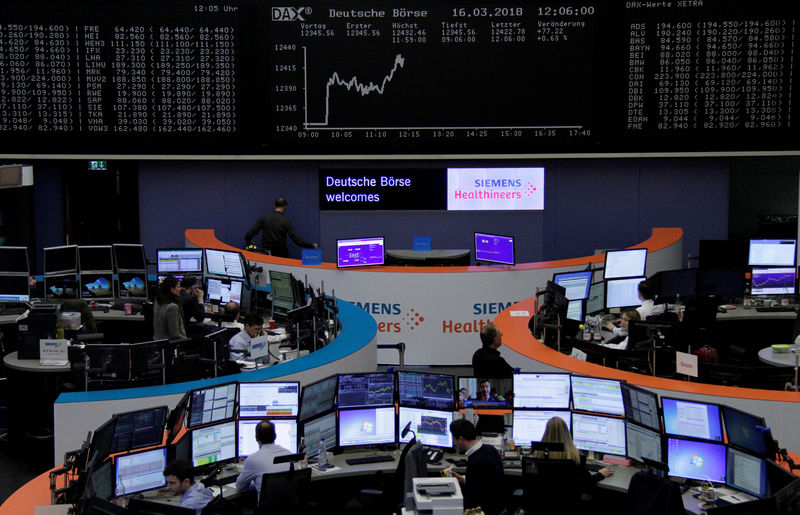
The STOXX 600 rose 1.7% to its highest level since Feb. 27 as markets priced in progress toward a U.S.-Iran peace agreement and crude sank to two-month lows. Travel stocks led the rally, with Air France KLM up 8.3%, IAG up 6.4%, Wizz Air up 9.0%, and Lufthansa up 6.7% as falling energy prices eased margin pressure. The broader move also reflects a sharp shift in risk sentiment after the ECB’s hawkish rate move and a volatile week for European equities.
The tape is pricing a regime shift from “energy shock” to “growth re-acceleration,” and the second-order winner is not just airlines but the broader European domestic-demand complex. Lower oil is a tax cut for the euro area at the margin, which matters more here than in the U.S. because the region is a net importer and was already absorbing a tighter ECB. That creates a favorable setup for sectors with high operating leverage to consumer confidence and fuel pass-through, while simultaneously easing the pressure on margin-sensitive mid-cap industrials and transports.
The market may be underestimating how fast the ECB’s hawkish surprise can be neutralized if headline inflation rolls over from energy. The rate hike became a credibility move, but if crude keeps falling for even 2-6 weeks, rate expectations can soften quickly and support duration-sensitive assets more than the immediate travel trade. In other words, the real trade is not just “oil down = airlines up,” but “oil down = disinflation impulse = less restrictive policy path,” which should help cyclicals and small caps with domestic earnings exposure.
The main risk is that this is a headline-driven squeeze rather than a durable supply-demand re-pricing in oil. If diplomatic progress stalls, the move in crude can reverse in days, and the crowded relief trade in travel/retail/European beta could unwind faster than the underlying macro benefit can accrue. Also, any rebound in shipping or freight disruptions would quickly reintroduce input-cost pressure and blunt the equity tailwind.
Consensus is likely overconfident in the durability of the rally, but underappreciating how much of Europe’s equity discount is a function of energy insecurity and policy uncertainty. If the geopolitical premium compresses, Europe could see multiple expansion beyond the obvious energy beneficiaries, especially in names with high domestic revenue and low direct commodity exposure. The best opportunities are therefore in relative-value expressions that capture falling input costs without paying full market beta for the relief trade.
AI-powered research, real-time alerts, and portfolio analytics for institutional investors.
Request DemoOverall Sentiment
mildly positive
Sentiment Score
0.45
