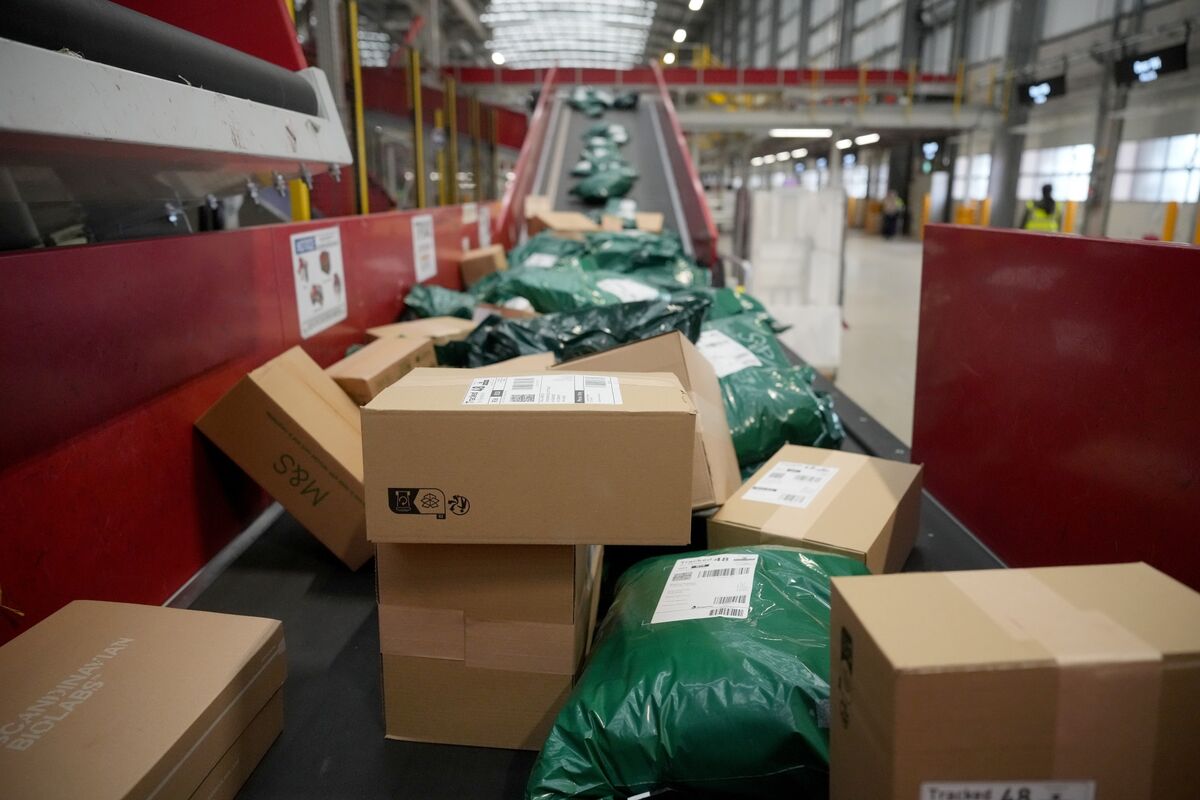
Cheap parcels exported from China into the UK totaled $1.8 billion between December and April, making the UK the sixth-largest destination globally and exceeding France and Germany combined. The flow remains only 11% below a year earlier, far less than France’s decline after it introduced a parcel tax in March. The article underscores pressure on British retailers and heightens calls for faster UK action on imports and low-value parcel regulation.
The key market signal is not the parcel flow itself, but the policy asymmetry it creates across Europe. If the UK remains a softer enforcement venue while continental markets begin taxing or restricting low-value imports, UK retailers face a relative-margin disadvantage and a volume share leak to cross-border marketplaces that can arbitrage regulation faster than domestic incumbents can adjust. That dynamic is especially negative for discretionary and value-oriented retailers with thin gross margins and high promotional intensity, because even a low-single-digit share shift can erase operating leverage.
Second-order effects likely show up in logistics and last-mile networks before they hit headline retail earnings. Higher parcel inflows sustain utilization for UK fulfillment, customs brokerage, and delivery capacity, which is superficially supportive for operators, but it also keeps price pressure alive and prevents a clean reset in local retail pricing power. The more important implication is that any UK crackdown, when it comes, would likely be abrupt rather than gradual; that creates a binary earnings setup for marketplaces and import-heavy retailers over the next 3-9 months.
The contrarian angle is that the market may be underestimating consumer willingness to arbitrage inflation through cheap imports. If domestic basket prices stay sticky, a clampdown can slow reported retail sales without meaningfully improving local retailer volumes, because demand may simply migrate to other foreign channels or wait for exemptions. So the policy fix may be less bullish for UK retail than the lobbying narrative implies, and more bullish for firms with the best direct-to-consumer sourcing flexibility and the lowest regulatory dependence.
Catalyst-wise, watch for any consultation on de minimis thresholds, customs enforcement staffing, or a politically motivated response to retailer lobbying over the next quarter. Absent action, the trend likely persists for months; with action, the losers are likely to gap down quickly while operators with diversified sourcing or non-UK fulfillment see less damage than the market assumes.
AI-powered research, real-time alerts, and portfolio analytics for institutional investors.
Request DemoOverall Sentiment
mildly negative
Sentiment Score
-0.25
Ticker Sentiment
