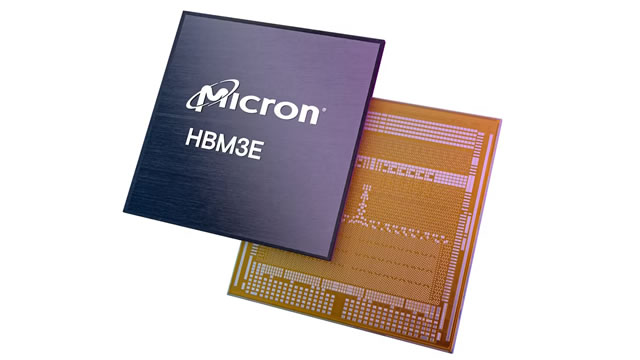
The article frames DRAM as the strongest segment of semi trading this year, arguing the debate is shifting from cyclical demand to potential structural uplift from AI-driven compute demand. It notes increased volatility that makes DRAM hard to buy on weakness, but suggests firms are seeking orders further in advance as new (potentially monetizable) AI applications come online. Overall, it implies a favorable longer-run demand backdrop despite near-term trading headwinds.
The market is increasingly treating DRAM less like a cyclical input and more like a scarce AI enabler, which changes the multiple math for the pure-play memory names. If cloud and inference buildouts keep pulling forward purchases, the first beneficiaries are the suppliers with the cleanest mix and least exposure to consumer end-markets; MU should see the biggest operating leverage, while the more diversified semi basket (SOXX/SMH) will likely underparticipate because memory is a relatively small weight.
The second-order effect is margin pressure propagating downstream into server OEMs and PC/mobile hardware if DRAM pricing stays elevated into the next 1-3 quarters. That’s not an immediate demand destroyer, but it can force allocation decisions at hyperscalers and compress gross margins at DELL/HPQ before the impact shows up in unit volumes. On the supply side, the real tell is capex discipline: if memory vendors respond by expanding wafer starts too aggressively, the current scarcity narrative can unwind faster than the AI bull case suggests.
The contrarian miss is that investors may be conflating HBM structural tightness with the rest of the DRAM market. HBM can stay tight for years while commodity DRAM normalizes once inventory rebuilds and procurement front-loading fade; that creates a good setup for relative-value rather than outright beta. The key falsifier is a break in spot/contract pricing or commentary from hyperscalers indicating order pull-ins are being satisfied sooner than expected, which would cap the rerating within 1-2 earnings cycles.
AI-powered research, real-time alerts, and portfolio analytics for institutional investors.
Overall Sentiment
mildly positive
Sentiment Score
0.20
