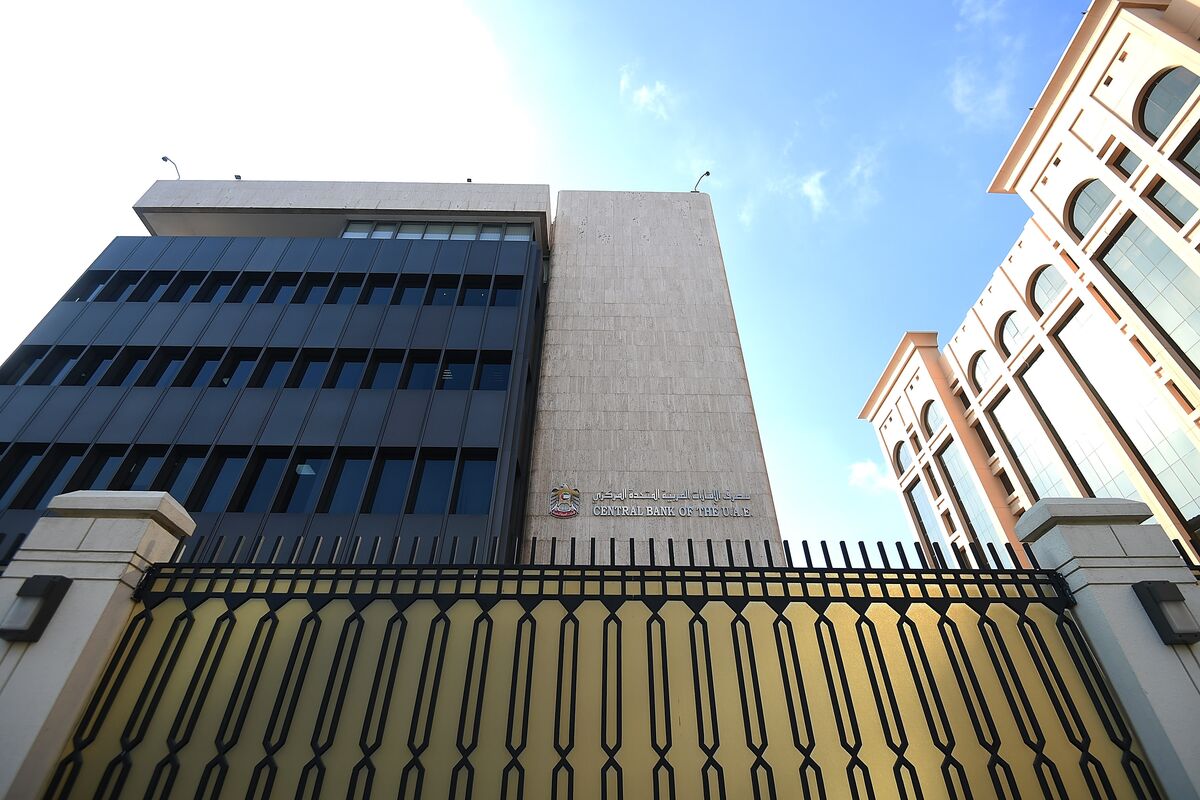
The UAE is reportedly in talks with the US for a possible financial backstop, including a currency swap line, if the Iran war pushes the country into deeper crisis. UAE Central Bank Governor Khaled Mohamed Balama discussed the idea with Federal Reserve and Treasury officials, including Treasury Secretary Scott Bessent, during meetings in Washington last week. The news highlights elevated geopolitical and liquidity risk for the region and could weigh on FX and broader emerging-market sentiment.
A sovereign backstop request from the UAE is less about immediate funding need and more about preventing a liquidity shock from turning into a credibility event. The important second-order signal is that even high-grade Gulf balance sheets are now pricing in a materially wider tail scenario for regional capital flows, which can lift funding spreads across the GCC and encourage precautionary USD hoarding by banks, corporates, and sovereign wealth funds. That dynamic is usually slow at first, then nonlinear: once counterparties start asking for harder terms, FX and cross-border funding stress can spread in days, not months.
The strongest beneficiary is the U.S. financial safety net itself: any swap-line discussion reinforces the dollar’s role as the region’s emergency reserve asset and likely supports U.S. Treasuries at the margin via safe-haven demand. The direct losers are UAE domestic banks and property-linked credit proxies, which are most exposed to a confidence-driven deposit mix shift and tighter wholesale funding even if solvency is unchanged. Beyond the UAE, the more fragile read-through is for EM sovereigns with external deficits and large Gulf funding reliance; they may face a higher hurdle rate if Gulf investors rotate into cash and USD assets.
The catalyst path matters: in the next 1-3 weeks, headlines around escalation or de-escalation likely dominate price action; over 1-3 months, the market will focus on whether a formal facility is actually secured and what conditions come with it. A real swap line would be a stabilization signal, but failure to obtain one after public signaling could be more damaging than no request at all because it would imply limited policy backstops in a stress event. The contrarian angle is that the market may be underestimating how quickly political risk premium can bleed into non-oil assets; oil may already reflect part of the conflict risk, but FX, local credit, and regional bank funding spreads likely have room to reprice further if the war broadens.
AI-powered research, real-time alerts, and portfolio analytics for institutional investors.
Request DemoOverall Sentiment
mildly negative
Sentiment Score
-0.15
