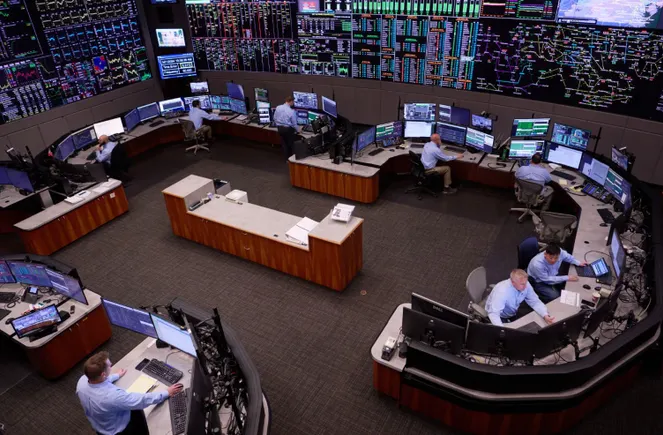
PJM Interconnection proposed three frameworks to reform its capacity market and reliability model for its 13-state grid, including stabilizing the current market, rationing reliability by customer class/region, or shifting toward an energy-and-ancillary-services-led system. The proposals reflect mounting pressure from soaring capacity prices, data center-driven demand growth, and regulatory intervention, with stakeholder discussions expected through 2026 ahead of the May 2027 capacity auction. Jefferies expects reforms before that auction, potentially lowering prices for existing generation while improving long-term compensation signals for new supply.
The key market signal is that PJM is moving from a pure scarcity-price construct toward a regime where reliability risk is increasingly pre-funded and selectively allocated. That is bearish for legacy merchant generation upside from spot scarcity, but bullish for assets that can secure contracted revenues, because the system is implicitly admitting that intermittent price spikes are no longer politically financeable. In practice, this should compress the volatility premium embedded in existing thermal names while improving the bankability of new dispatchable projects and load-serving entities that can lock in forward capacity exposure.
The second-order winner is not just generation owners, but entities that can intermediate complexity: utilities with regulated or quasi-regulated footprints, power marketers, tolling counterparties, and equipment vendors tied to behind-the-meter or dedicated-load solutions. If large-load connect-and-manage frameworks evolve, data center developers will increasingly need to self-provide firming, pushing demand toward on-site gas, storage, and transmission-adjacent infrastructure. That creates a more fragmented procurement landscape where the cheapest electron is less important than the most financeable reliability package.
The contrarian point is that the market may be overestimating how fast PJM can operationalize reform. A multi-year stakeholder process means the near-term auction structure can still produce sharp upside surprises in 2026-2027 if load growth outruns incremental additions, especially because policy tools that suppress prices also delay the very investment response they seek to avoid. The real tail risk is a lumpy transition: either forced rationing before new supply arrives or a regulatory reset that abruptly re-rates contracted capacity lower, with the timing gap creating the best risk/reward for options rather than outright equity bets.
AI-powered research, real-time alerts, and portfolio analytics for institutional investors.
Request DemoOverall Sentiment
neutral
Sentiment Score
-0.05
