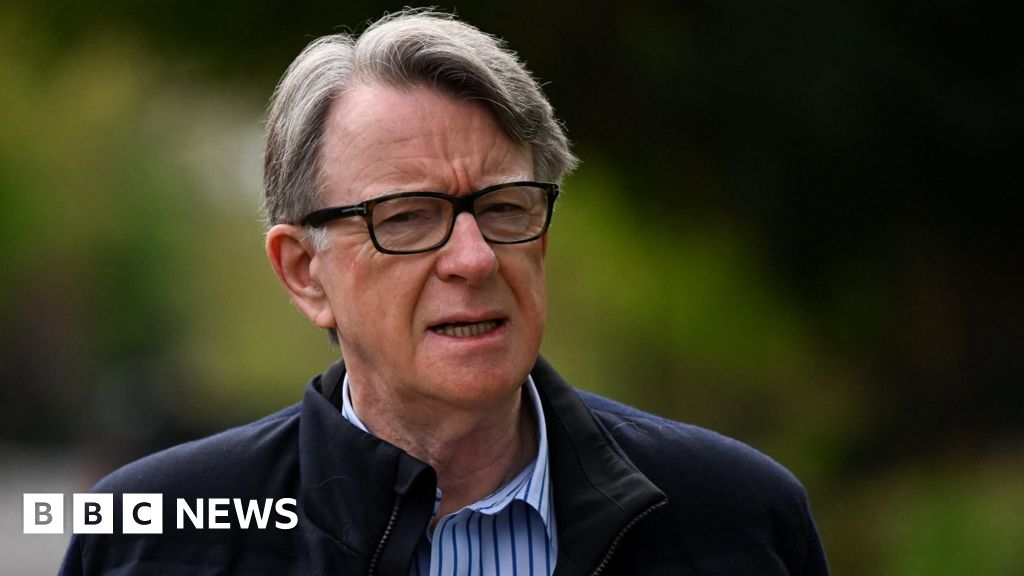
The UK government faces an escalating political scandal over Lord Mandelson's vetting, with Foreign Secretary Yvette Cooper saying ministers were not informed sooner and Prime Minister Keir Starmer accused of misleading Parliament. Starmer is due to answer questions in Parliament on Monday, while senior officials including Sir Olly Robbins are being pressed by MPs and a formal committee investigation is being discussed. Opposition leaders from the Conservatives, Liberal Democrats, SNP, Greens and Reform UK are calling for Starmer to resign.
This is less a market-moving policy event than a governance shock that raises the perceived probability of a broader credibility breakdown at the top of government. The near-term macro implication is a modest risk premium on UK political risk, but the bigger second-order effect is on execution capacity: when a government is forced into defensive mode, it tends to delay contentious decisions, compress legislative bandwidth, and increase the odds of policy drift into the next earnings season.
For UK domestics, the tradeable channel is not directionally “UK down” so much as a widening dispersion between politically insulated cash generators and names exposed to public-sector decision making. Banks, utilities, defense, and large-cap internationals should be comparatively resilient; small/mid-cap UK cyclicals with domestic revenue, regulatory approvals, or government contract dependence are more vulnerable to sentiment-driven derating. The next 1-4 weeks matter most because committee testimony and parliamentary questions can extend headline risk even if the underlying facts do not worsen.
The contrarian read is that scandal fatigue may cap downside faster than consensus expects. Unless new evidence materially changes the legal exposure, this can resolve as a governance episode rather than a regime change, which would make an aggressive broad UK short low-conviction. The better expression is to short the most politically sensitive beta while owning exporters or global earners that can ignore Westminster noise.
Tail risk is escalation into an integrity narrative that forces resignations or a formal privileges investigation; that would keep UK political risk bid for months and could delay any improvement in the UK domestic risk premium. Conversely, a clean committee appearance and absence of documentary contradictions would quickly deflate the story, likely within days, and leave only a small, temporary discount in sterling assets.
AI-powered research, real-time alerts, and portfolio analytics for institutional investors.
Request TrialOverall Sentiment
strongly negative
Sentiment Score
-0.55
