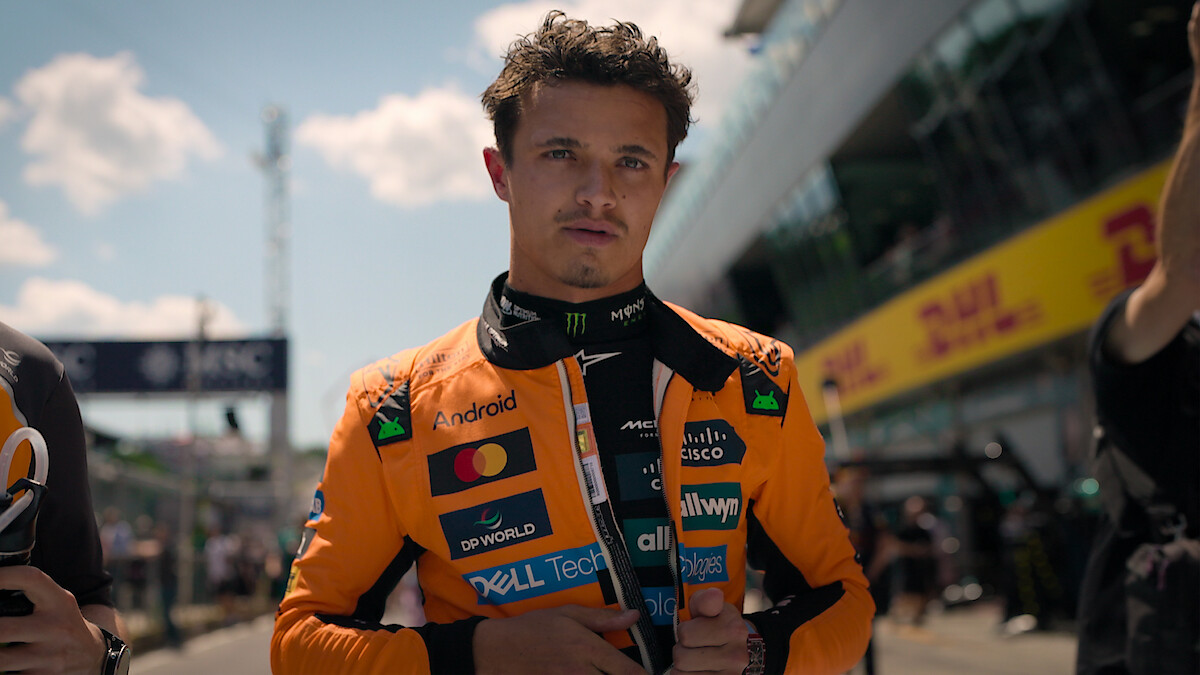
Netflix and Apple TV have entered a distribution collaboration for Formula 1 content: Drive to Survive Season 8 will stream globally on Netflix and on Apple TV in the U.S. starting Feb. 27, 2026, while Apple TV is the exclusive U.S. broadcaster for the 2026 F1 season (beginning with the Australian GP weekend March 5) and Netflix will carry the 2026 Canadian Grand Prix live in the U.S. from May 22-24. The arrangement broadens U.S. distribution and live-event exposure for both platforms, implying potential subscriber engagement and retention benefits, though no financial terms or subscriber impacts were disclosed and immediate market-moving implications are likely limited.
Market structure: Apple (AAPL) is the clear US distribution winner—exclusive 2026 F1 rights and cross-sell into Apple TV+ and bundle ARPU lift—while Netflix (NFLX) gains global reach for Drive to Survive but loses exclusive US live-race leverage. Expect modest pricing power for Apple in sports bundles (ARPU uplift of $1–3/sub/mo across 6–12 months) and mixed subs impact for Netflix driven by content-led retention outside the US.
Risk assessment: Tail risks include antitrust scrutiny of exclusive sports rights, rights-cost inflation if rival bidders re-enter, and viewer fragmentation reducing per-platform monetization. Immediate impact (days) is limited to sentiment; short-term (weeks–months) hinges on subscriber and viewership metrics (Q1–Q2 2026); long-term (1–3 years) depends on bundling economics and recurring live-sports cost trajectory.
Trade implications: Favor AAPL exposure and selectively damp NFLX US-exposure; expect volatility around the Australian GP (Mar 5) and Canadian GP (May 22–24) as viewership data and subscriber commentary hit. Cross-asset: modest bull pressure on USD (tech inflows) and slight widening of NFLX equity-implied vol into May; corporate bonds unaffected materially.
Contrarian angles: Consensus underestimates Netflix’s global monetization (localized ads/merch/licensing) and overestimates Apple’s guaranteed profit from rights (high per-season rights cost may compress margins). Historical parallels: Amazon’s TNF shows platform control doesn’t guarantee outsized equity returns—outcomes depend on ARPU conversion and ad monetization.
AI-powered research, real-time alerts, and portfolio analytics for institutional investors.
Request DemoOverall Sentiment
mildly positive
Sentiment Score
0.30
Ticker Sentiment
