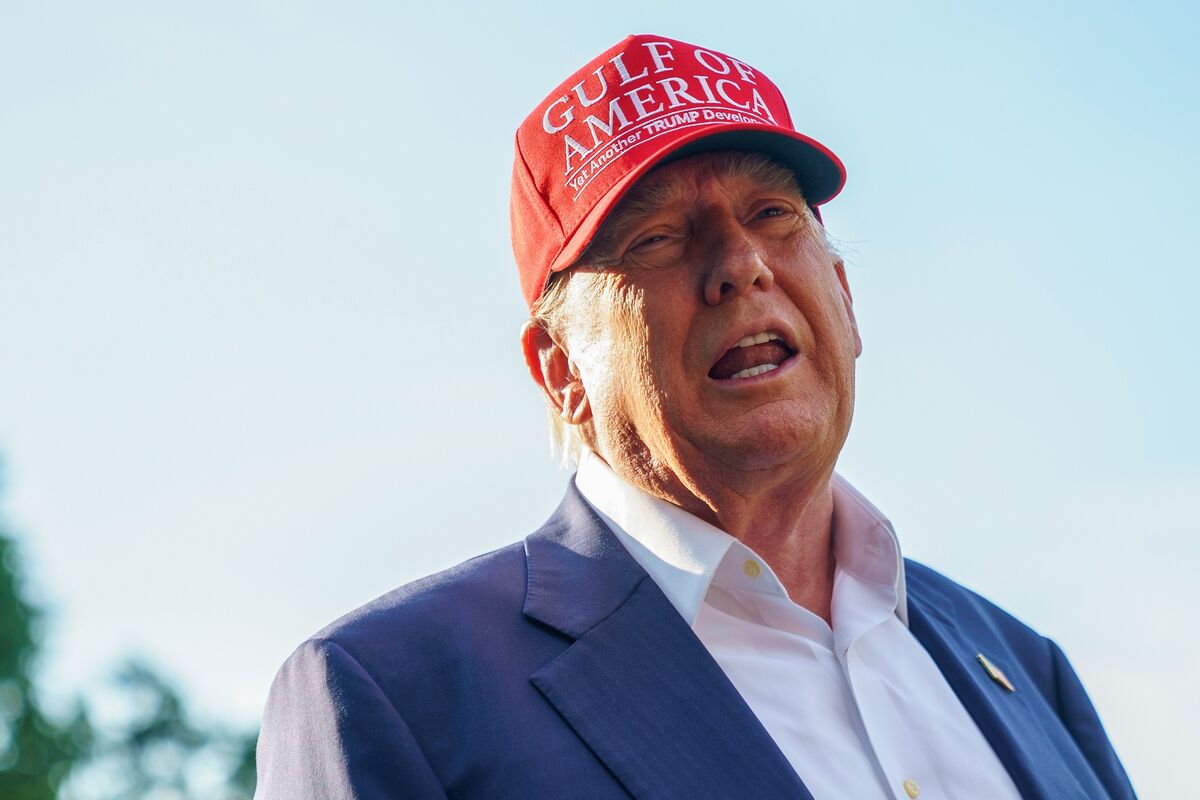
US President Donald Trump has significantly escalated trade tensions with Japan, threatening tariffs of up to 35% on Japanese imports, citing a substantial trade deficit. This threat, which far exceeds the previously indicated 24% tariff, is fueling 'worst-case scenario' fears in Japan and raising concerns over Tokyo's trade negotiation strategy, particularly as Trump expressed skepticism about reaching a deal.
The United States has materially escalated its trade conflict rhetoric with Japan, with President Trump threatening tariffs of up to 35%, a significant increase from the previously indicated 24%. This threat, explicitly linked to the U.S. trade deficit with Japan, introduces substantial uncertainty into ongoing trade negotiations. The President's pessimistic commentary, including his expressed doubts that a deal will be reached, is fueling 'worst-case scenario' fears among Japanese market participants. This development suggests a high probability of increased protectionism, which would directly impact Japanese exporters and disrupt integrated U.S.-Japan supply chains, creating a strongly negative and high-impact event for assets exposed to this trade corridor.
AI-powered research, real-time alerts, and portfolio analytics for institutional investors.
Request DemoOverall Sentiment
strongly negative
Sentiment Score
-0.85
