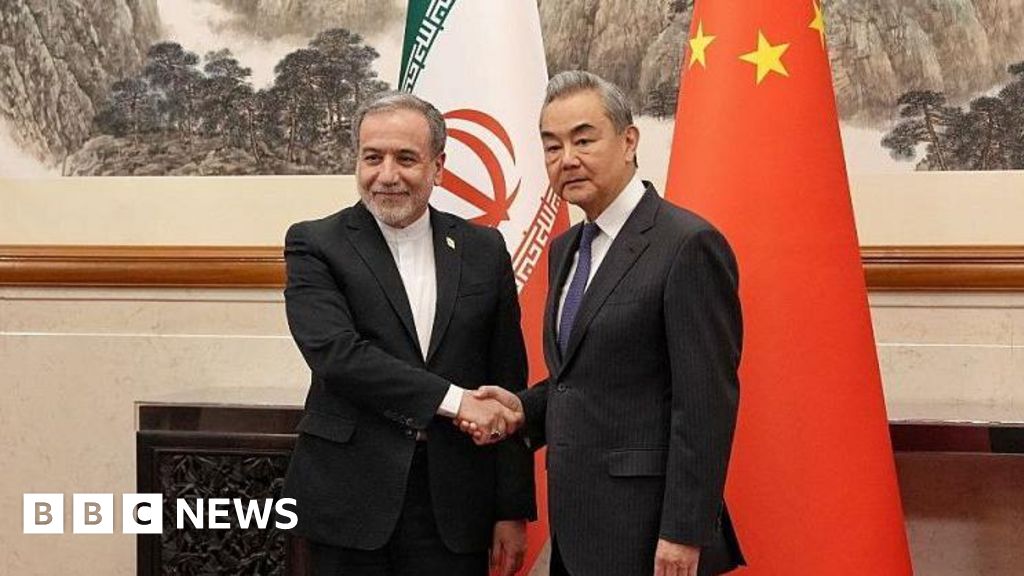
China urged that the Strait of Hormuz be reopened as soon as possible and pressed for a comprehensive ceasefire in Iran-related talks, highlighting ongoing geopolitical risk to a waterway that carries much of the world's oil. The Strait has been largely impassable after blockades by both Iran and the US, while China imported 1.38 million barrels per day of Iranian crude in 2025, about 12% of its total crude imports. The comments point to elevated risks for energy flows, shipping, and broader market stability ahead of a planned Trump-Xi summit.
The key market implication is not the statement itself but the signaling alignment between Beijing and Washington on a narrow, de-risking objective: keep the Strait open without forcing either side into a face-saving escalation. That lowers the probability of an immediate supply shock, but it also makes the current shipping disruption look like a policy-managed volatility regime rather than a clean normalization, which keeps freight, insurance, and tanker optionality bid.
For energy, the first-order price risk is lower than the headline suggests, but the second-order effect is a flatter ceiling on Middle East risk premiums rather than a fast reversion. If reopening talks gain traction, the biggest loser is not crude outright but the complex of beneficiaries from rerouting and blockade frictions: VLCC rates, LNG shipping, marine insurance, and defense/logistics names with event-driven revenue spikes. The timing matters — this is a days-to-weeks catalyst into the summit, with a months-long tail if negotiations create an inspection or escort regime instead of true normalization.
The contrarian read is that a partial reopening could be bearish for the most crowded geopolitical hedges while still leaving physical flows fragile enough to preserve dispersion. Consensus may be overestimating how quickly barrels translate into lower prices; inventories, refinery constraints, and sanctions-driven trade inefficiencies can keep differentials dislocated even if headline Brent softens. That argues for relative value over outright directional oil exposure.
The cleanest upside asymmetry is in assets that benefit from normalization in the Strait but are still pricing in elevated risk, versus outright winners from sustained chaos. If diplomacy advances, expect a fast unwind in freight-linked volatility; if it fails, the market likely reprices into a sharper tail-risk premium, but only after the summit window closes.
AI-powered research, real-time alerts, and portfolio analytics for institutional investors.
Request DemoOverall Sentiment
mildly negative
Sentiment Score
-0.15
