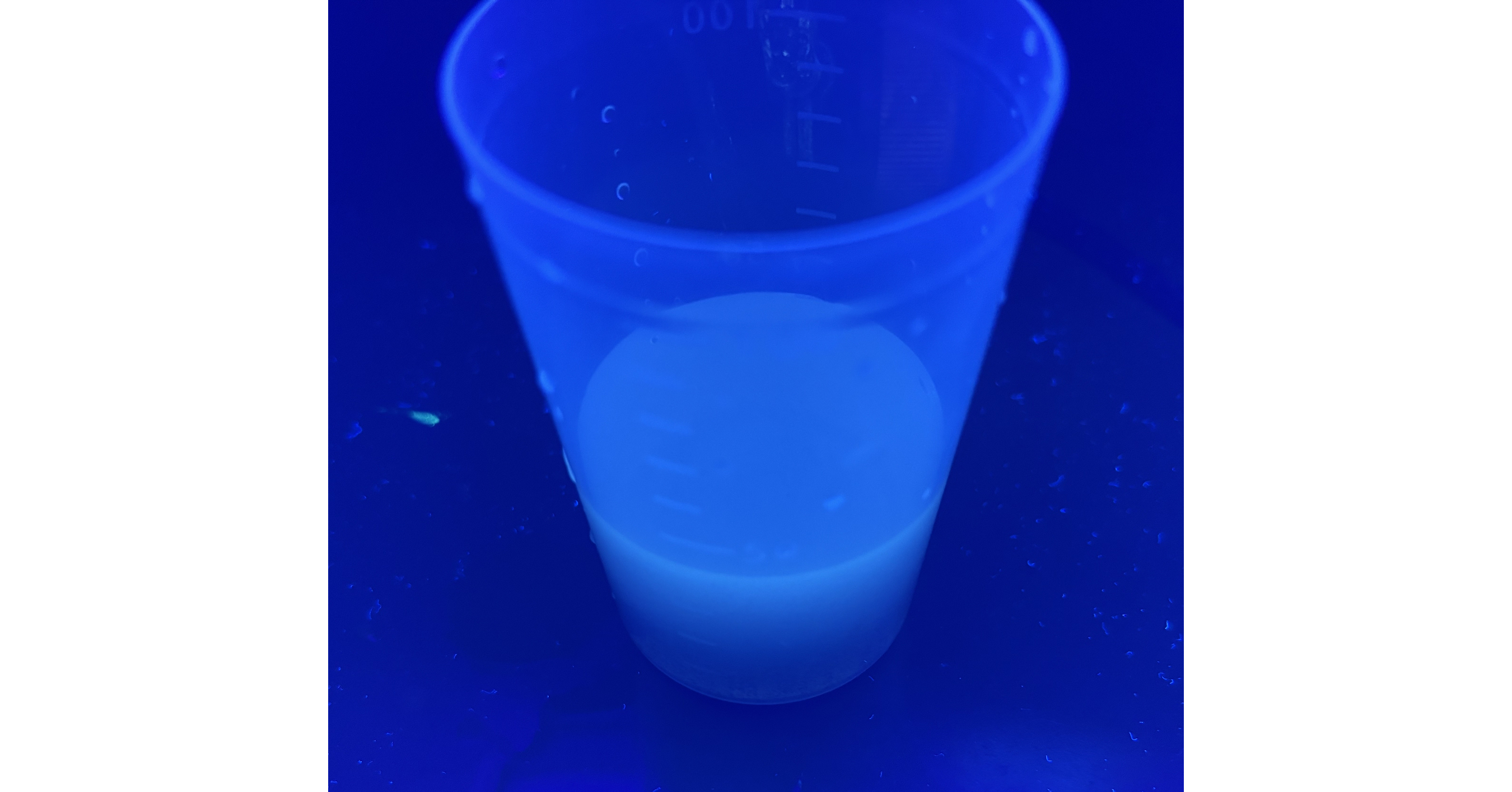
Green Science Alliance says it has synthesized carbon quantum dots from sargassum and sargassum waste that emit blue light under UV illumination, positioning them for sensors, bioimaging, LEDs, and agriculture. The company also claims pesticide/antibacterial/repellent functionality and says it is already proceeding with commercialization for related biomass-derived quantum dots, with plans to commercialize the sargassum-derived variant as well. Overall, this is a positive technology and sustainability milestone but not a clear near-term financial or market-moving event based on the release alone.
This reads as an IP-optionality story, not a cash-flow story. The commercial value is not in the novelty of carbon dots; it is in whether a waste feedstock can be turned into a regulated, reproducible input at a cost low enough to compete with commodity ag-chem or specialty materials. The key hidden variable is purification economics: any trace-metal cleanup, batch inconsistency, or residue/toxicity issue will swamp the theoretical feedstock advantage and keep this in the lab-stage bucket.
If anything scales, the first economic wedge is likely agriculture, not LEDs or high-end photonics. A cheap, bio-derived pesticide/biostimulant would pressure niche biologicals and premium crop-input products more than broad-acre fertilizer majors, but only after field efficacy and registration are proven; that is a 12-24 month process at best, not a days-to-weeks catalyst. A secondary winner could be municipalities or contractors currently paying to remove sargassum, because the waste stream gains optionality as a saleable feedstock instead of a pure disposal cost.
The contrarian risk is that investors over-read the circular-economy narrative and underweight the regulatory drag on nanoparticles in open-field use. The market may be missing that the real moat is not synthesis; it is distribution, formulation, and approvals. Falsifiers are simple: no third-party field data, no toxicology package, or unit economics that stay above existing pesticide/biostimulant costs after purification and shipping.
AI-powered research, real-time alerts, and portfolio analytics for institutional investors.
Overall Sentiment
mildly positive
Sentiment Score
0.15
Ticker Sentiment
