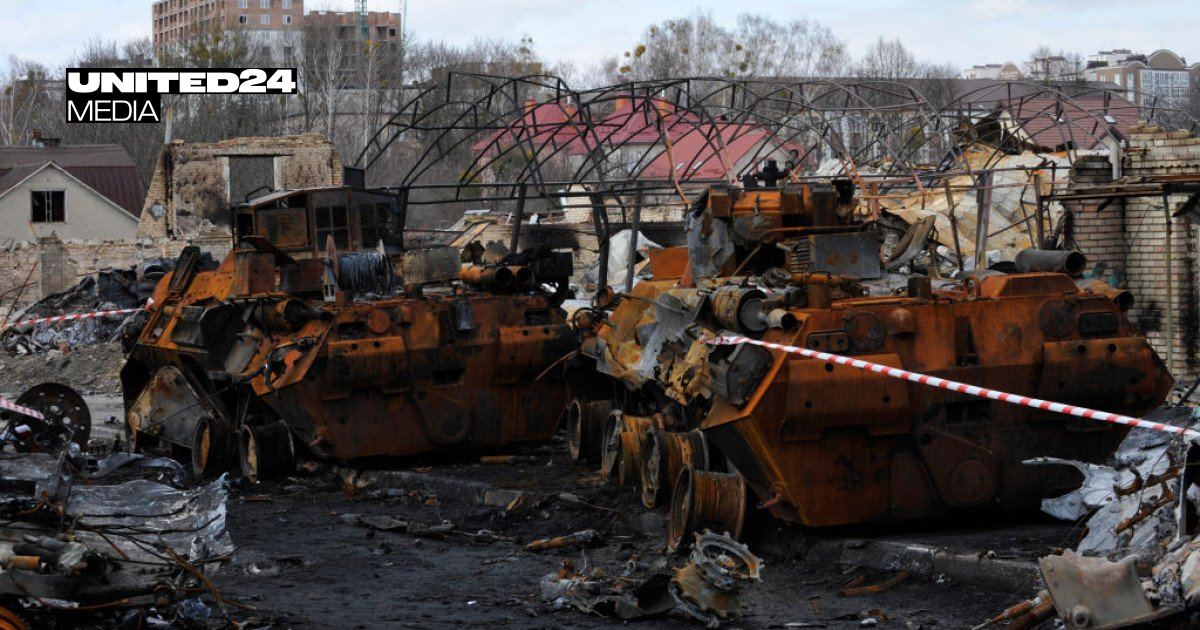
UK intelligence chief Anne Keast-Butler publicly confirmed that almost 500,000 Russian soldiers have been killed since the 2022 full-scale invasion, underscoring the scale of battlefield attrition in Ukraine. The UK said it is actively degrading Russia’s war capability by disrupting smuggling of Western tech, cyberattacks, and sabotage efforts. The update reinforces a prolonged, high-intensity conflict with continued defense and security implications for Europe.
The marginal market implication is not the casualty headline itself, but the regime shift it validates: Russia is increasingly forced into a higher-cost, lower-efficiency war economy where gains require disproportionate manpower and imported components. That is bullish for any western supplier of ISR, drones, EW, air defense, and secure communications, because the conflict is becoming less about mass and more about industrialized attrition, which tends to extend procurement cycles rather than end them. The immediate beneficiary set is broader than pure defense primes; cybersecurity, satellite imagery, and electronic components exposed to export-control leakage should see durable demand as governments harden supply chains. Second-order, the strain on Russia's labor pool raises the odds of tighter domestic mobilization, sanctions evasion, and asymmetric retaliation over the next 3-9 months. That is a negative for Europe-facing industrials and logistics that rely on stable Black Sea/CEE routing, but it also supports pricing power for firms that can substitute away from Russian inputs. Energy markets are less likely to sustain a direct supply shock from this datapoint alone, but the geopolitical tail risk rises: escalation in sabotage, cyber, or procurement disruption can create short, sharp volatility spikes in gas, fertilizers, shipping insurance, and defense names. The contrarian view is that markets may already be discounting a long war, and the real underappreciated risk is not Russian collapse but adaptation. If Moscow improves recruitment, deepens North Korean/Iranian/Chinese gray-market sourcing, or if western support becomes politically constrained, attrition can plateau without a clear inflection in the front line. In that scenario, defense outperformance remains intact but becomes more selective: companies tied to replenishment and counter-UAS should outperform traditional platform names, while broad Europe geopolitical hedges may fade as headline risk gets normalized.
AI-powered research, real-time alerts, and portfolio analytics for institutional investors.
Request DemoOverall Sentiment
moderately negative
Sentiment Score
-0.45
