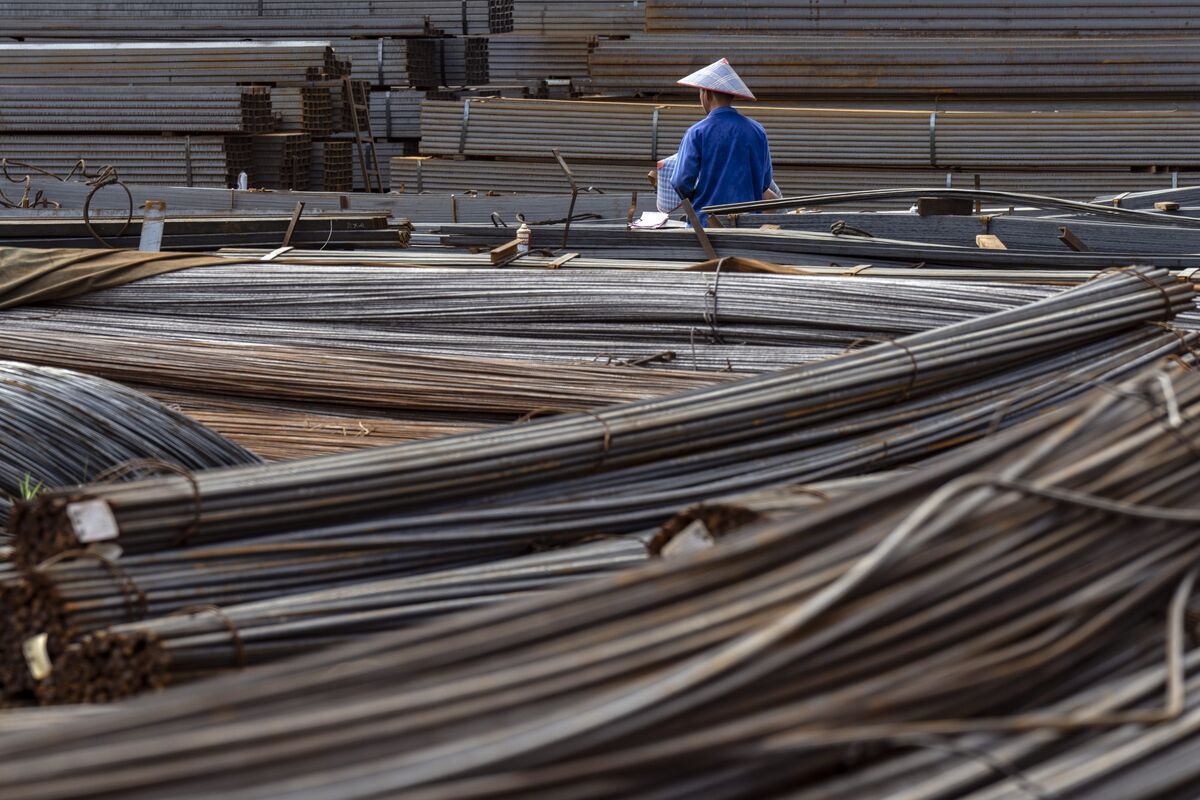
Chinese steel and coal output fell in July, primarily due to adverse weather and Beijing's intensified campaign to control overcapacity and competition. This reduction highlights the government's urgent focus on supply management amidst mounting deflationary pressures, indicating a strategic move to address structural economic imbalances.
Chinese steel and coal output registered a notable decline in July, driven by a combination of operational disruptions from adverse weather and a deliberate intensification of government policy. Beijing's campaign to rein in overcapacity and what it terms 'ruinous competition' has gained significant urgency, directly linked to mounting deflationary pressures in the broader economy. This reduction in industrial output is not merely a cyclical downturn but a strategic, supply-side intervention. By actively curtailing production in these key sectors, the government aims to stabilize commodity prices, support producer margins, and counteract deflationary forces, signaling a significant policy pivot towards managing structural economic imbalances through direct market controls.
AI-powered research, real-time alerts, and portfolio analytics for institutional investors.
Request DemoOverall Sentiment
moderately negative
Sentiment Score
-0.50
